EN
EN



36V vs 48V E-Bike Battery: Which Voltage Should Wholesalers Prioritize?
For wholesalers stocking e-bike accessories, choosing which voltage battery to carry is not a minor detail — it directly shapes your sell-through rate and the capital tied up in your warehouse. The debate between a 36v ebike battery and a 48V pack reflects real differences in bike compatibility, terrain range, and regional demand patterns. Getting the split right matters most for distributors serving both European and North American channels, where rider expectations and regulatory frameworks diverge significantly. If you have been treating this decision as a coin flip, here is a more structured way to think about it.
36V vs 48V: Side-by-Side Specifications
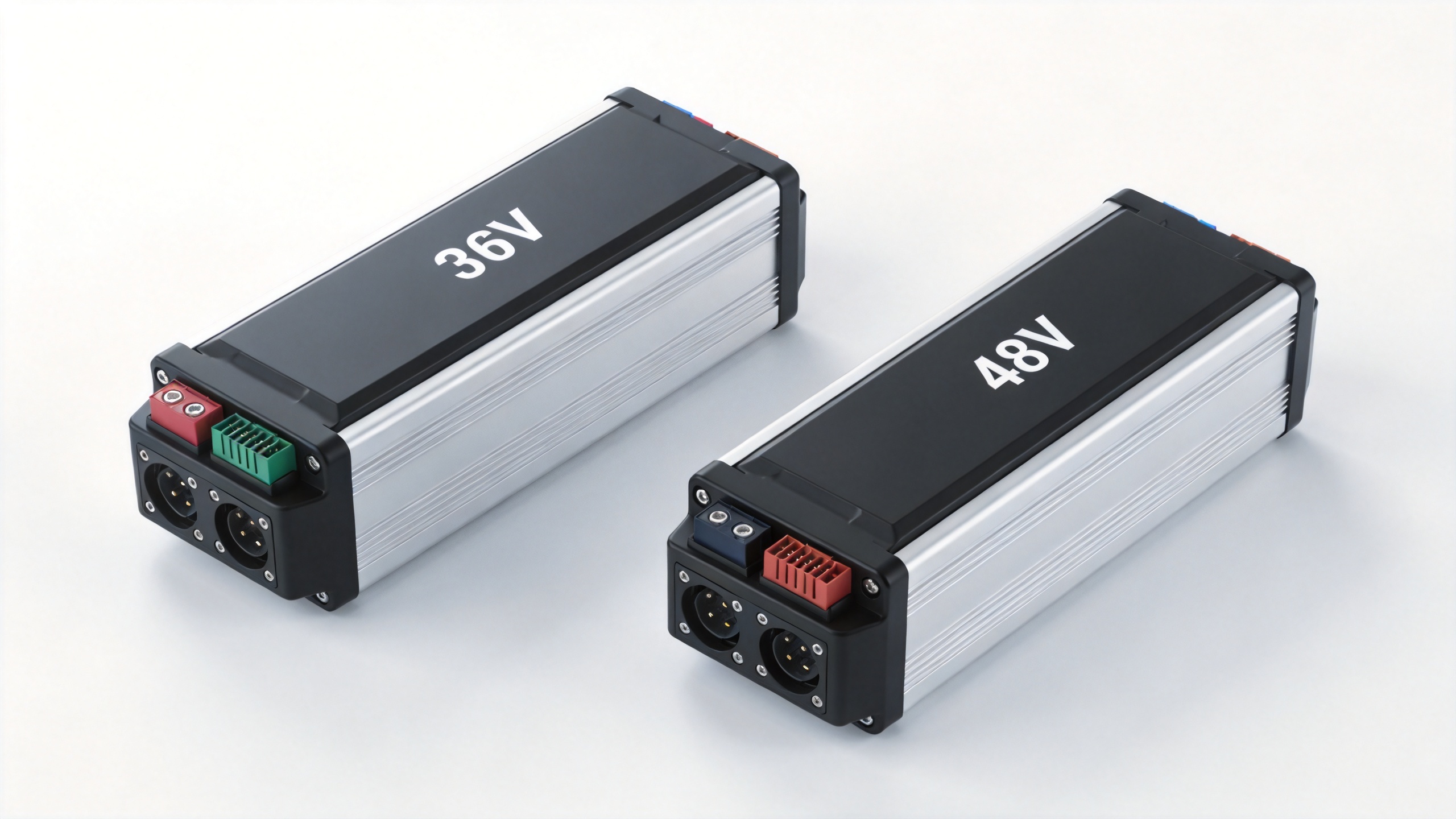
Every wholesaler evaluating a 36v ebike battery versus a 48V alternative should start with the underlying performance data. The differences are not just about voltage labels — they shape which bike models will actually run on the pack and which customers will buy it.
| Specification | 36V Battery | 48V Battery |
|---|---|---|
| Typical top speed | ~20 mph (32 km/h) | ~28 mph (45 km/h) |
| Motor power range | 250W–500W | 500W–1000W+ |
| Typical terrain | Flat urban routes | Mixed and hilly terrain |
| Unit cost (relative) | Lower baseline | Typically 10–25% higher |
| Weight | Lighter | Slightly heavier |
| Common EU certifications | EN 50604, EU 2023/1542 | |
| North American certification | UL 2271 | |
Which E-Bike Models Use a 36v Ebike Battery vs 48V?
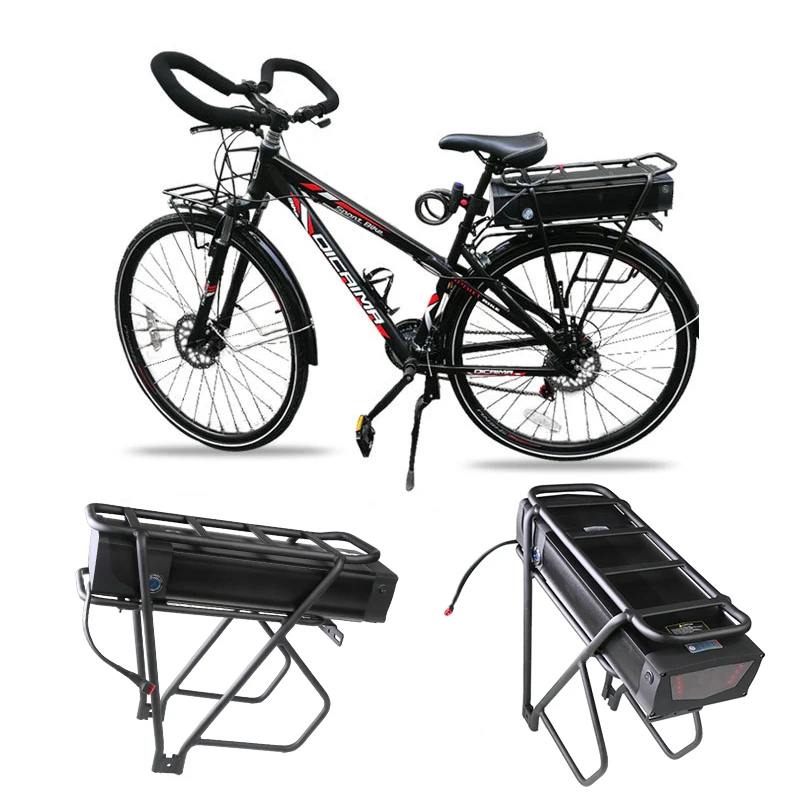
The most practical guide to your stocking ratio is the actual bike mix your downstream clients service. Entry-level commuter e-bikes — folding bikes and city bikes especially popular in European urban markets — overwhelmingly use 36V 250W–500W drivetrain configurations. For aftermarket channels, a 36v e bike battery in the 10–15Ah capacity range is the standard replacement spec. Demand for this category holds steady through the year without the sharp seasonal peaks that higher-performance segments create.
Mid-range and performance bikes are increasingly built around 48V platforms. Cargo e-bikes, trail and mountain models, and the higher-end city bikes favored in North America all tend to use 48V motors because hill-climbing torque and extended range matter to that buyer segment. If your distribution clients service both categories — as most mid-sized distributors do — a mixed inventory covering both voltages is not optional, it is the only approach that prevents stockouts on one end while avoiding overstock on the other.
Controller Compatibility: The Detail That Drives Return Rate
One of the most expensive errors wholesalers make is assuming that a 36v ebike battery and a 48V pack are interchangeable because they come in similar form factors — water-bottle, rack-mount, or down-tube housings look alike. Controllers are voltage-specific. Supplying a battery e bike 36v to a system built for 48V results in underpowered operation or fault codes; the reverse risks component damage. Incompatibility returns generate processing costs that erode wholesale margins, and repeated incidents damage your standing with distributor partners.
Before placing a bulk order on either voltage, build a compatibility reference list mapping the most common e-bike frames your customers service against the correct battery voltage. Even a basic spreadsheet reduces your return rate meaningfully. This step is especially important for wholesalers supplying repair workshops, since workshops stock parts across multiple brands and model years simultaneously.
Bulk Procurement Cost: What the 10–25% Price Gap Means at Scale
The unit price gap between a 36v ebike battery 12Ah pack and a comparable 48V 12Ah pack typically runs 10–25%, depending on cell brand and BMS specification. At the individual SKU level this is manageable. At 500-unit procurement runs, the differential compounds into real working capital tied up in warehouse inventory, and overstocking the higher-cost 48V SKU without a clear demand signal is a meaningful financial risk.
The steady replacement market for 36V bike fleets creates a reliable demand floor for the 36v e bike battery category. A versatile product like the New Image 36V 12Ah Water Bottle Battery fits a wide range of entry-to-mid-tier e-bikes and turns over reliably for distributors at multiple margin tiers. The 48V segment carries a higher average selling price but requires clearer pull-through signals from your distribution channel before a large commitment makes financial sense.
European vs North American Market Demand: A Meaningful Split
The global electric bicycle batteries market is projected to grow from USD 3.6 billion in 2024 to USD 12.1 billion by 2034 at a 12.9% CAGR, but that aggregate figure masks a real voltage preference divide across regions that directly informs how you should split your inventory investment.
In Western Europe — Germany, the Netherlands, and the UK among the largest markets — the EU pedelec regulations cap assisted speeds at 25 km/h, making the performance advantage of a 48V system largely irrelevant for legally compliant commuter bikes. The practical ceiling for most compliant European commuter models is the 36v ebike battery format, which aligns with the 250W motor power cap in most EU member state interpretations. European channel partners also routinely require EN 50604 and EU 2023/1542 certification documentation on incoming battery shipments, so your supplier's certification portfolio matters.
North America is a different regulatory environment. Class 2 and Class 3 e-bike speed thresholds are higher, and the terrain variety across North American markets — from mountainous western states to flat midwestern routes — drives genuine demand for 48V performance packs. UL 2271 certification is effectively the minimum bar for selling into U.S. retail channels or fleet operators. If your North American distribution business is growing, weighting your 48V allocation upward for that market makes strategic sense. A basic battery e bike 36v configuration may not meet the performance expectations of North American buyers purchasing higher-end models.
A Practical Inventory Ratio to Start From
There is no universal formula, but wholesalers serving mixed European and North American channels often find the following allocations a reasonable baseline before sales data refines the split:
- Europe-primary distribution: 60–65% 36v ebike battery SKUs, 35–40% 48V
- North America-primary distribution: 40–45% 36V, 55–60% 48V
- Mixed or undifferentiated channels: Start at 50/50, review after 90-day sell-through data
The right allocation depends on which service tiers and bike categories your downstream partners actually handle. A distributor servicing urban commuter fleets in Amsterdam has fundamentally different needs than one supporting the North American e-MTB segment. Starting with a conservative split, tracking sell-through by voltage, and rebalancing on the next procurement cycle is lower-risk than a large commitment before you have regional sales data to anchor the decision.
From a risk perspective, overstocking the 36v e bike battery category is less painful than the reverse: lower per-unit cost limits your exposure, and the steady replacement demand from existing 36V fleets gives you a longer window to move through excess inventory. New Image offers both 36V and 48V battery configurations with supply chain experience in European and North American distribution, and their team can assist with compatibility verification and certification documentation for your target markets.