EN


Aftermarket E-Bike Parts: How Distributors Build a Compatible Replacement Range
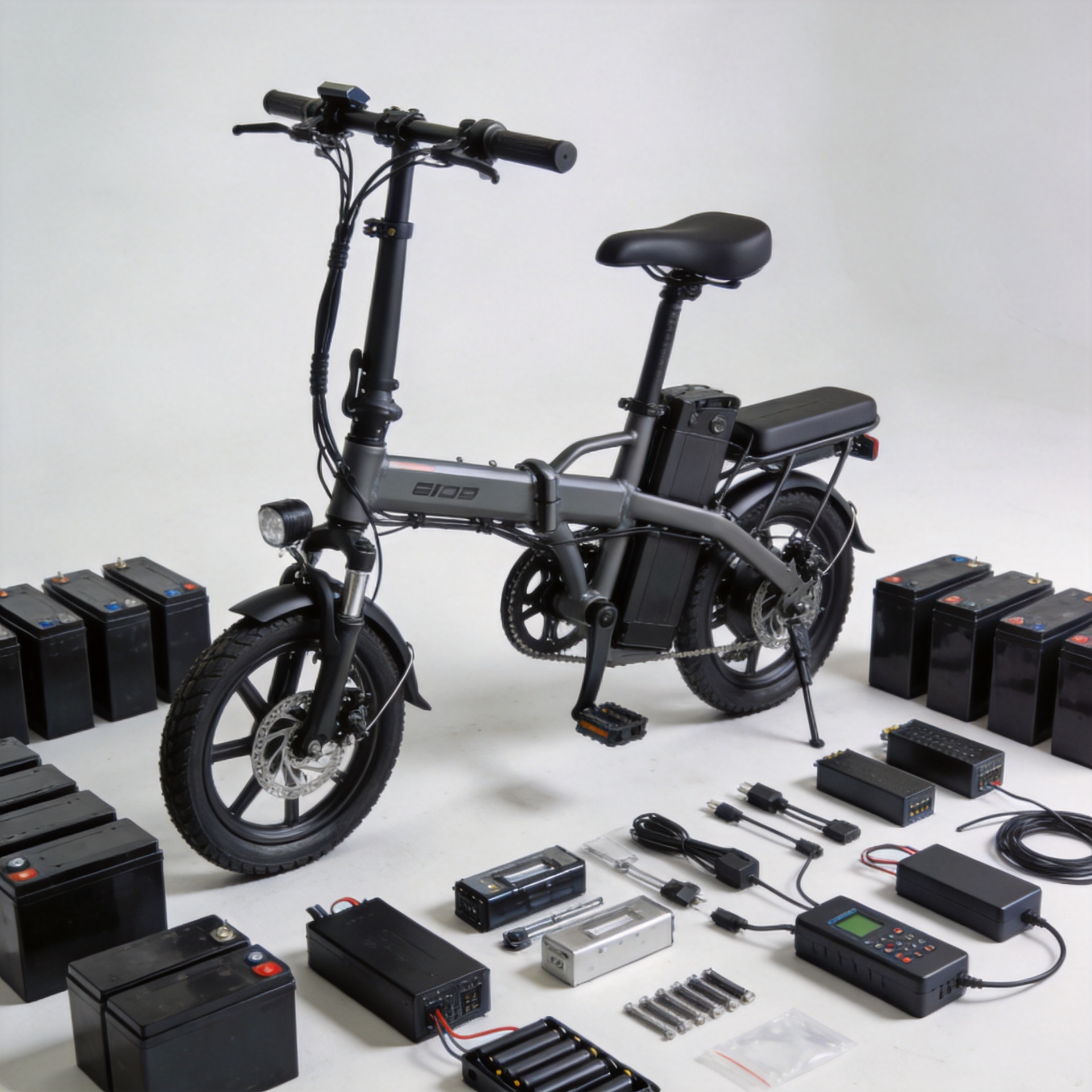
For a distributor, an aftermarket range is not simply a longer list of ebike aftermarket parts. It is a promise that a repair shop can identify the right replacement, order it with confidence, and avoid creating a second fault during installation. That matters especially for folding e-bikes, where packaging constraints, frame geometry, battery mounting, and electrical layouts can vary sharply between model families.
The practical goal is to build a range around verified model compatibility rather than around generic-looking components. A battery, controller, display, charger, or brake part may look similar to another SKU and still be the wrong replacement. A compatibility-led range is easier for dealers to sell, easier for technicians to support, and less likely to turn stock into costly returns.
Start with a model-first map, not a category-first catalog
Most buyers expect ebike aftermarket parts to be grouped by category: batteries, controllers, tires, brakes, lights, and accessories. That is useful for browsing, but it is a weak starting point for a distributor range. Build the working catalog around the e-bike model or platform first, then list the compatible replacement families under that model.
For each model family, create a compatibility record that identifies the original part number where available, the relevant revision, connector style, mounting method, voltage platform, and known exclusions. For folding e-bikes, include frame-fold position or enclosure constraints when they affect cable length or battery fit. A technician should be able to move from “bike model” to “approved replacement options” without interpreting a vague product title.
This also prevents the common mistake of treating a product category as universal. A 48V battery is not automatically interchangeable with every other 48V battery. The physical rail or case, connector, charger relationship, battery-management arrangement, and fit within the frame all deserve confirmation. If a listing does not document those checks, it should be marked as pending verification rather than marketed as a broad substitute.
Choose the first replacement groups by service relevance
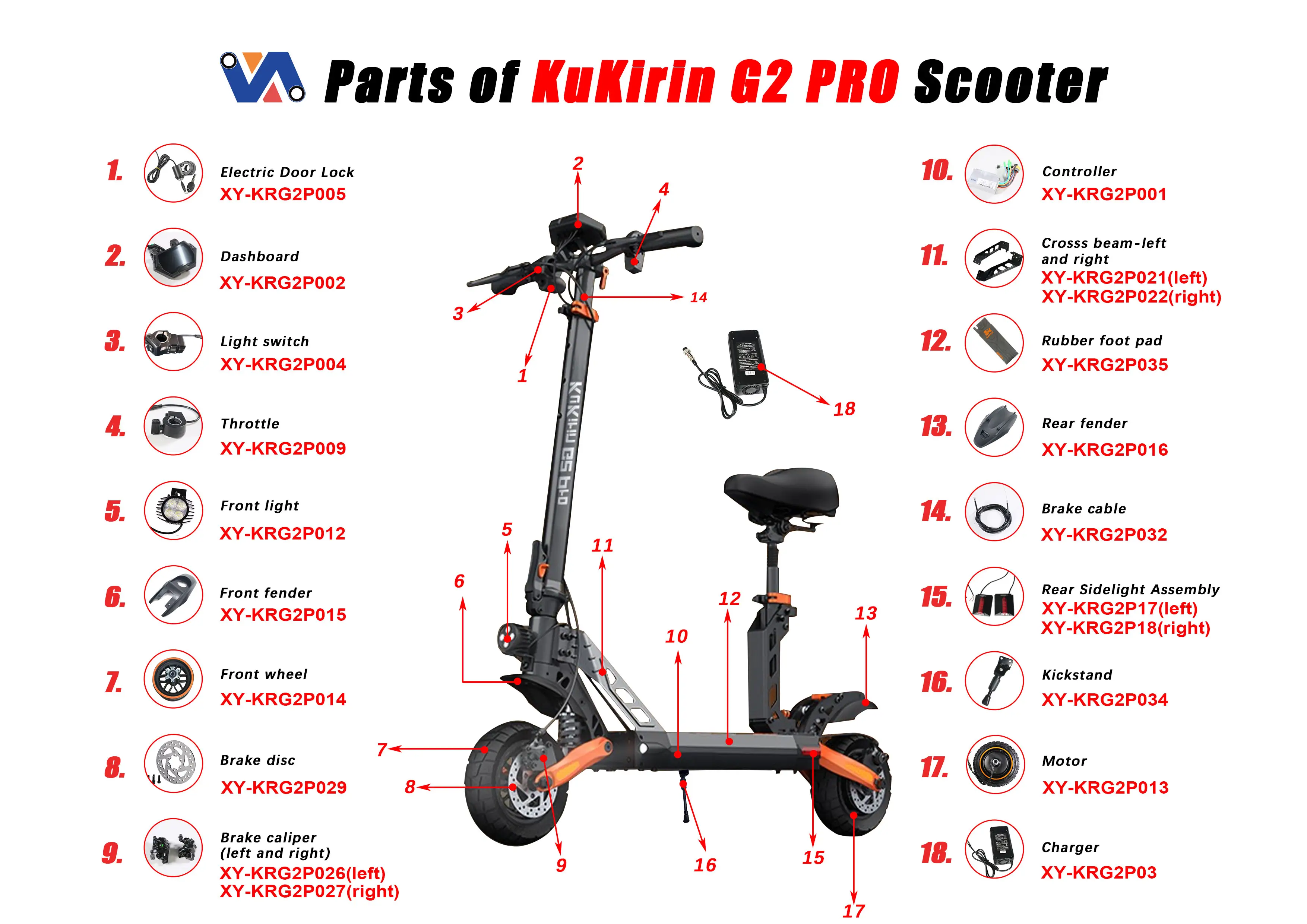
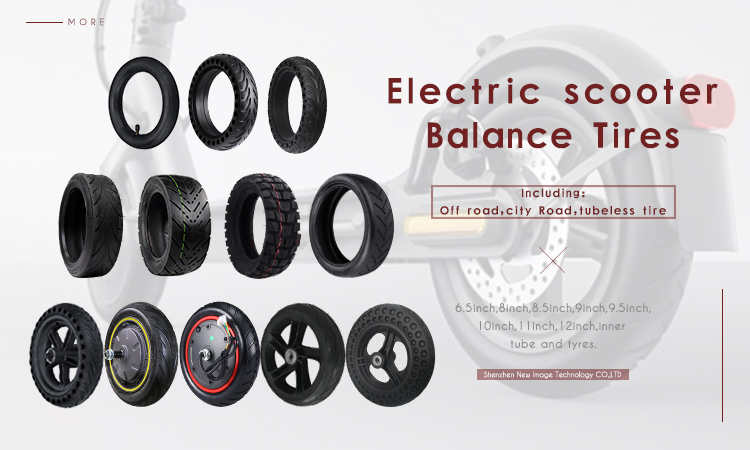
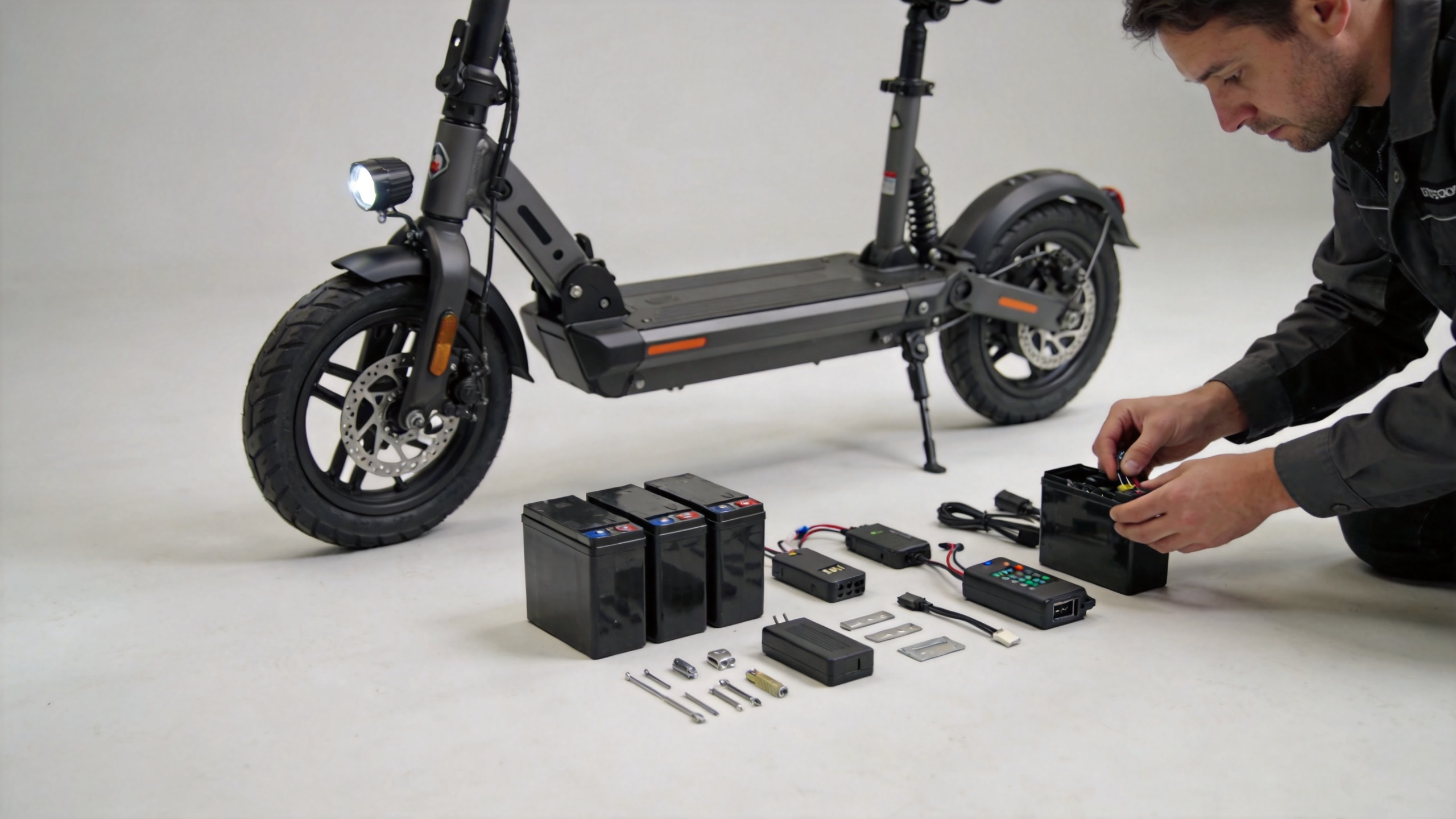
A sensible opening range does not need to cover every possible part. Prioritize parts that are both important to the riding system and frequently requested by repair-oriented buyers. For a folding e-bike portfolio, the first groups often include battery assemblies, chargers, controllers, displays, wiring-related service parts, tires and tubes, brake consumables, lights, and selected folding-mechanism hardware where a confirmed match exists.
Electrical replacements deserve their own compatibility discipline. A battery listing should clearly separate nominal voltage from capacity, case and mounting profile, discharge and charge connector arrangement, charger requirements, and any model-specific control or communication dependency. The goal is not to overwhelm the buyer with specifications; it is to make the decisive fields visible before an order is placed.
Controllers require the same care. In addition to voltage, distributors should record the motor connection, controller-to-display communication arrangement, wiring plug configuration, enclosure dimensions, and version references. A controller can physically fit in the compartment but still fail to communicate with the existing display or peripheral components. That is why compatible ebike aftermarket parts need a technical record behind every sales SKU.
Turn compatibility into a procurement checklist
Before adding a replacement SKU, collect the same information every time. A standard intake sheet keeps product managers, purchasing teams, and customer-service staff aligned. It also makes supplier discussions more productive because the decision is based on identifiable data instead of photographs alone.
| Check area | What to record | Why it matters |
|---|---|---|
| Vehicle identity | Brand, model, model year or revision, original part reference | Separates similar-looking but different platforms |
| Electrical system | Voltage, connectors, wire count, display/controller relationship | Reduces mismatch risk for powered components |
| Physical fit | Case profile, rail or bracket, dimensions, cable route, mounting points | Confirms the part can be installed without modification |
| Service context | Failure symptom, related components, installation notes | Helps teams avoid replacing the wrong root cause |
| Commercial control | MOQ, replenishment lead-time confirmation, packaging, SKU cross-reference | Supports a manageable distributor stock plan |
There is an important boundary here: an intake sheet supports compatibility assessment, but it does not replace qualified diagnosis or an installation check. When an electrical issue could involve more than one component, the safest sales process is to request the model information and relevant connector or part-label images before recommending a replacement.
Use anchor products to make the range easier to buy
Anchor products give a range a clear entry point. They are not claims that every customer needs the same part; they are well-documented, model-linked items that demonstrate how the catalog works. For example, distributors expanding an Engwe-oriented service range can evaluate the 48V Ebike Battery for Engwe L20 Electric Bike EN-L2012 as a model-specific battery reference, then build its associated confirmation fields into the rest of the range.
Similarly, a documented controller listing such as the Engwe EP-2 Pro 48V 18A Controller — E Bike Controller Replacement Wholesale EN-EP2P23 can become a controlled example of how to label an electrical part. The product title alone is not the compatibility proof; the distributor still needs the model, electrical, connector, and installation fields in its support workflow.
This approach makes the catalog more useful for service customers. Instead of offering a loose collection of hyper e bike battery replacement searches and generic electrical parts, you can route enquiries toward documented fitment questions and reduce time spent on unsuitable alternatives.
Balance coverage against inventory complexity
A wider range can improve the chance of winning a repair order, but it can also produce slow-moving stock and support overhead. Start with a compact, high-confidence assortment for the model families you can document well. Add adjacent SKUs only when you can maintain the same quality of compatibility data and replenishment visibility.
It is tempting to list every part that shares a voltage or connector style. In practice, that can hide the real cost: returns, troubleshooting time, repeat shipping, and a damaged relationship with the repair shop. For B2B buyers, the useful metric is not the lowest purchase price of one SKU; it is whether the stocked range resolves service demand predictably.
Review the range regularly using enquiry reasons, confirmed fitment questions, return causes, and out-of-stock requests. Those signals show where a new replacement SKU is justified and where a listing needs clearer exclusions. They also help separate true demand from one-off compatibility questions.
Build a support loop around the catalog
The strongest ebike aftermarket parts program combines catalog data with a repeatable support process. Give sales and service teams a short request template: bike model, original part label, voltage, connector photos, dimensions where relevant, and the observed problem. Keep approved fitment notes with the SKU, and update them when a genuine revision difference is discovered.
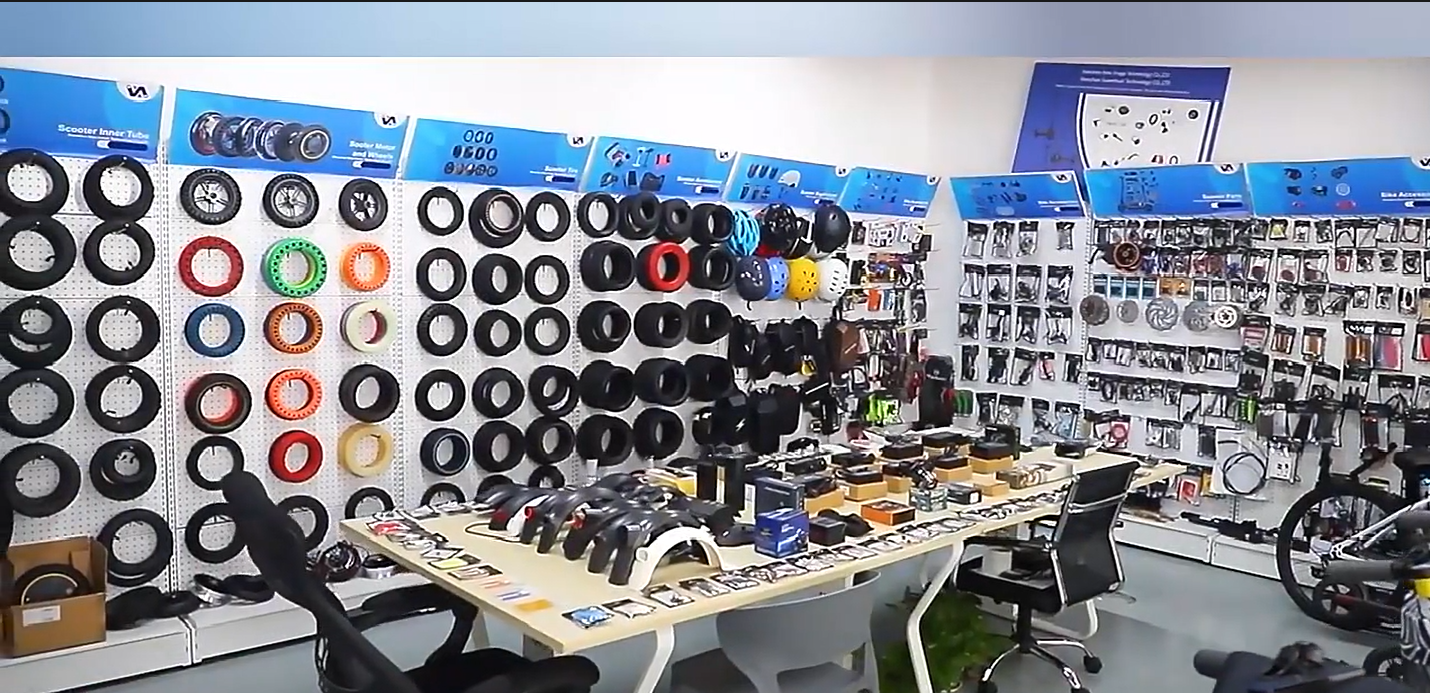
For distributors serving repair shops in Europe, North America, Oceania, and South America, clear technical confirmation can be as valuable as another page of products. A supplier that covers core e-bike and scooter spare-part categories and can help confirm model compatibility gives the buyer a more usable procurement path than a generic catalog alone.
Compatibility labels that help dealers act quickly
Use consistent labels so a broad category becomes a service decision instead of a guess:
- Model confirmed: record the bike model, revision, and fitment evidence.
- Electrical match pending: request voltage, connector, and part-label details before quoting.
- Physical fit pending: verify case shape, mounting points, dimensions, and cable routing.
- Controller/display check: confirm connector layout and communication compatibility before release.
- Battery/charger check: confirm the approved charging relationship rather than matching voltage alone.
These labels create a feedback loop. When a dealer asks for ebike aftermarket parts, the team can see whether the request is ready to quote, needs technical evidence, or belongs in another model record. Each confirmed enquiry can then improve the fitment notes.
Make compatibility the product-line strategy
A compatible replacement range is built through disciplined decisions: start with the model, verify the electrical and physical fit, document exclusions, and expand only when the data and supply path are ready. That structure gives distributors a clearer way to grow from a few replacement items into a serviceable portfolio of ebike aftermarket parts.
When planning the next range review, begin with the models your customers actually service, map the high-priority replacement groups, and require the same compatibility record for every new SKU. The resulting catalog may be more selective, but it will be easier to buy from, easier to support, and more resilient as the installed base grows.