EN
EN


Ceramic vs Semi-Metallic Brake Pads: How to Choose for OUXI GT2000 E-Bikes
When riders ask about ceramic versus semi metallic brake pads, they usually want a simple winner. For an OUXI GT2000, however, the better choice depends on where and how the bike is used, plus whether the replacement pad actually matches the installed caliper. Material affects feel, noise, heat behavior, dust, and wear, but it cannot correct a wrong backing-plate shape or a contaminated rotor.
From a repair-bench perspective, the useful order is straightforward: confirm fitment first, compare material second, then bed in the new pads. That approach is especially valuable for a heavier electric bike, where repeated stops, hills, cargo, weather, and rider habits can change what is most suitable means.
Start with compatibility, not the friction-material label
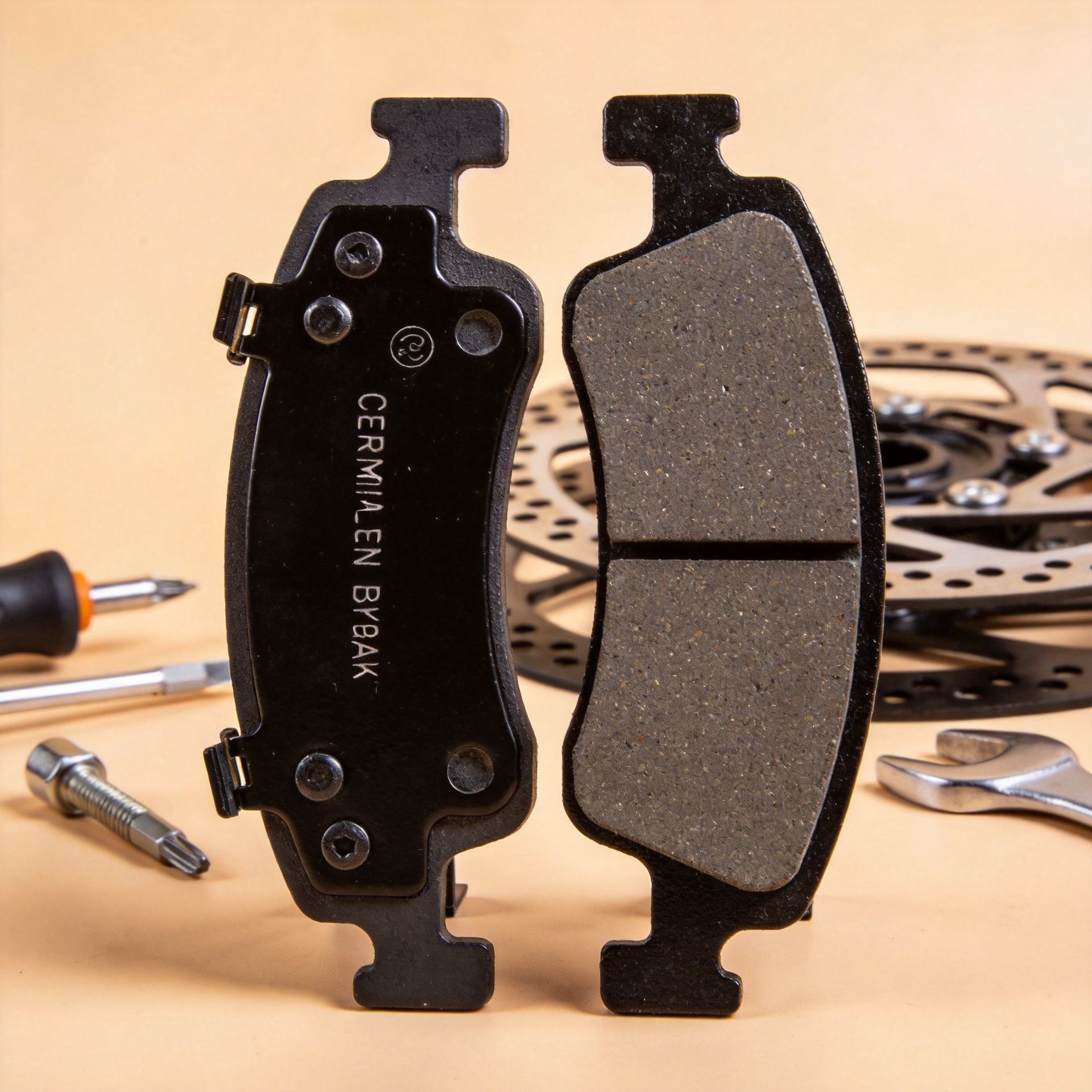
Brake pads are not universal. Before deciding between ceramic versus semi metallic brake pads, identify the caliper model, compare the old pad’s backing plate and retaining-tab shape, check the pin or spring arrangement, and make sure the rotor is within its manufacturer’s service limits. A pad that looks close in a product photo may still sit incorrectly in the caliper.
For a replacement option specifically listed for this model, see Semi-Metallic Brake Pads for OUXI GT2000 - Electric Dirt Bike Parts Wholesale. Treat the listing as a fitment starting point: confirm the brake configuration on the actual bike before ordering, particularly if parts have been changed previously.
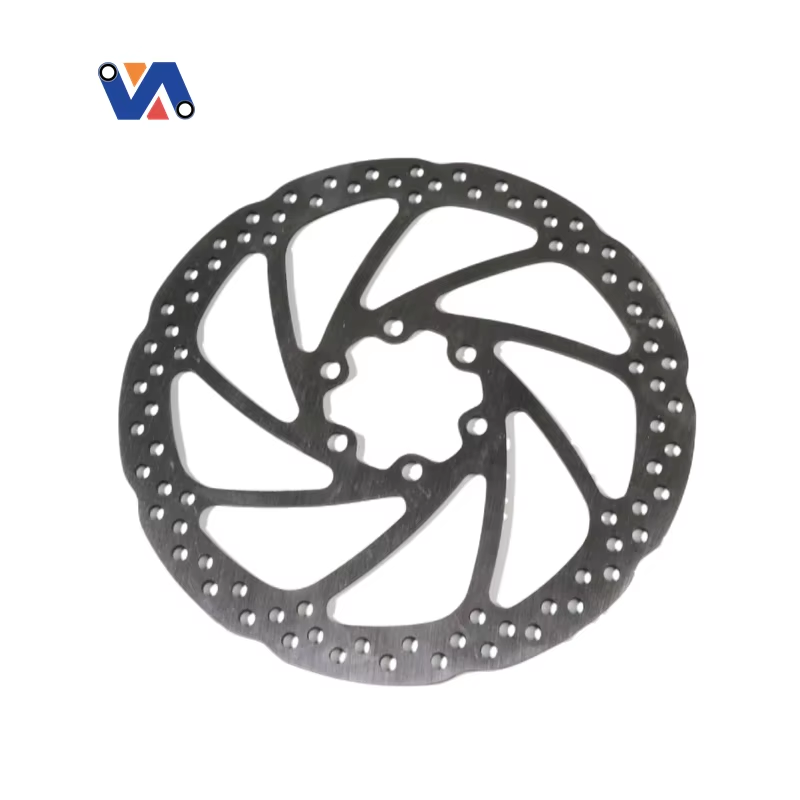
Also inspect the rotor. Deep grooves, blue heat marks, a bent disc, or oil contamination can make any new pad feel poor. Replacing pads without addressing those conditions often leads to noise, weak braking, or uneven wear.
Ceramic vs semi-metallic: the practical differences
| Selection factor | Ceramic pads | Semi-metallic pads |
|---|---|---|
| Noise and cleanliness | Often chosen when a quieter, lower-dust ride is the priority. | May create more audible contact noise, especially in wet or cold conditions. |
| Heat-demand riding | Can suit moderate, predictable riding when the compatible brake system supports them. | Often considered for repeated braking, hills, higher loads, and conditions where heat tolerance matters. |
| Rotor interaction | Can be a sensible choice for riders focused on smoothness; results still depend on rotor and compound compatibility. | Can offer a firmer, more immediate feel, while making rotor inspection and correct bedding-in important. |
| Best way to decide | Choose for quiet, clean, routine riding only after fitment is verified. | Choose when the riding pattern calls for stronger heat-oriented margin and the correct pad shape is available. |
The table is a decision framework, not a promise that one compound will produce the same result on every OUXI GT2000. Pad formulations vary among suppliers, and the caliper, rotor, lever setup, rider weight, and terrain all influence real braking behavior.
When ceramic pads make sense
Ceramic pads can be a reasonable direction for riders whose priority is a quieter everyday experience and less visible brake dust. If the OUXI GT2000 is mainly used on flatter paved routes, with predictable stops and moderate loads, that balance may be attractive. This is the context behind the common question, are ceramic brake pads better than semi metallic: they may be better for a particular comfort-oriented routine, not automatically better for every duty cycle.
There is one important condition. Do not use a ceramic choice to mask a braking problem. A soft lever, rubbing rotor, leaking hydraulic system, or badly glazed disc needs diagnosis first. New material cannot restore braking confidence when the system itself needs service.
When semi-metallic pads are the safer comparison point
For frequent stops, long descents, wet-weather riding, or a bike that regularly carries extra load, semi-metallic pads are often the more practical starting point in a ceramic versus semi metallic brake pads comparison. Their appeal is not that they are universally stronger; it is that riders commonly look for more confidence under heat-demand conditions.
The trade-off can be more noise or a different lever feel. If a pad squeals immediately after installation, check rotor cleanliness, pad alignment, hardware seating, and bedding-in before assuming the compound is defective. In wet conditions, a brief noise increase can be normal, but persistent noise deserves inspection.
Use this OUXI GT2000 replacement checklist
- Match the pad shape: compare the old pad, backing plate, retaining pin, and spring with the replacement.
- Check both ends: front and rear calipers may use different configurations.
- Inspect the rotor: replace or service a rotor that is contaminated, warped, or below its specified wear limit.
- Choose for the ride: favor quiet, routine-road priorities or more heat-demand use based on actual terrain, loading, and weather.
- Bed in new pads: new pads and rotors need a controlled break-in period before reaching their full braking potential. Follow the brake maker’s procedure and test in a safe area.
- Recheck after the first rides: listen for persistent noise, confirm secure hardware, and verify that the wheel spins freely when the lever is released.
A common purchasing mistake is to compare only the unit price. The real cost includes installation time, downtime from a fitment error, rotor condition, and how often the riding pattern requires replacement. For distributors and workshops, keeping the confirmed OUXI GT2000 pad shape tied to the correct SKU can reduce avoidable returns.
Which brake-pad material should you choose?
Choose ceramic pads when verified fitment, quiet everyday riding, and lower visible dust matter most. Choose semi-metallic pads when your OUXI GT2000 sees sustained braking, steeper routes, wet conditions, or higher loads and you want a more heat-oriented option. In the ceramic v semi metallic brake pads debate, the correct answer is usually conditional rather than absolute.
Make the final choice only after confirming the caliper shape and rotor condition. That one verification step matters more than any broad claim about ceramic versus semi metallic brake pads, and it gives the new pads a stronger chance to deliver consistent, predictable braking.