EN


Electric Scooter Brake Shoes vs Brake Pads: What Is the Difference?
Parts listings often use the words brake shoe and brake pad loosely. That can cause a costly ordering mistake: an electric scooter brake shoe and a disc pad are friction parts, but they belong to different brake systems. Before a rider, repair shop, or distributor buys replacements, the first task is to identify the system fitted to the scooter.
From a maintenance-station perspective, the important question is not which part looks newer or thicker. It is where the part works. An electric scooter brake shoe works inside a drum brake. Disc brake pads sit in a caliper and clamp a metal rotor. Once that distinction is clear, the terminology in product listings becomes much easier to interpret.
Quick answer: brake shoes and brake pads are not interchangeable
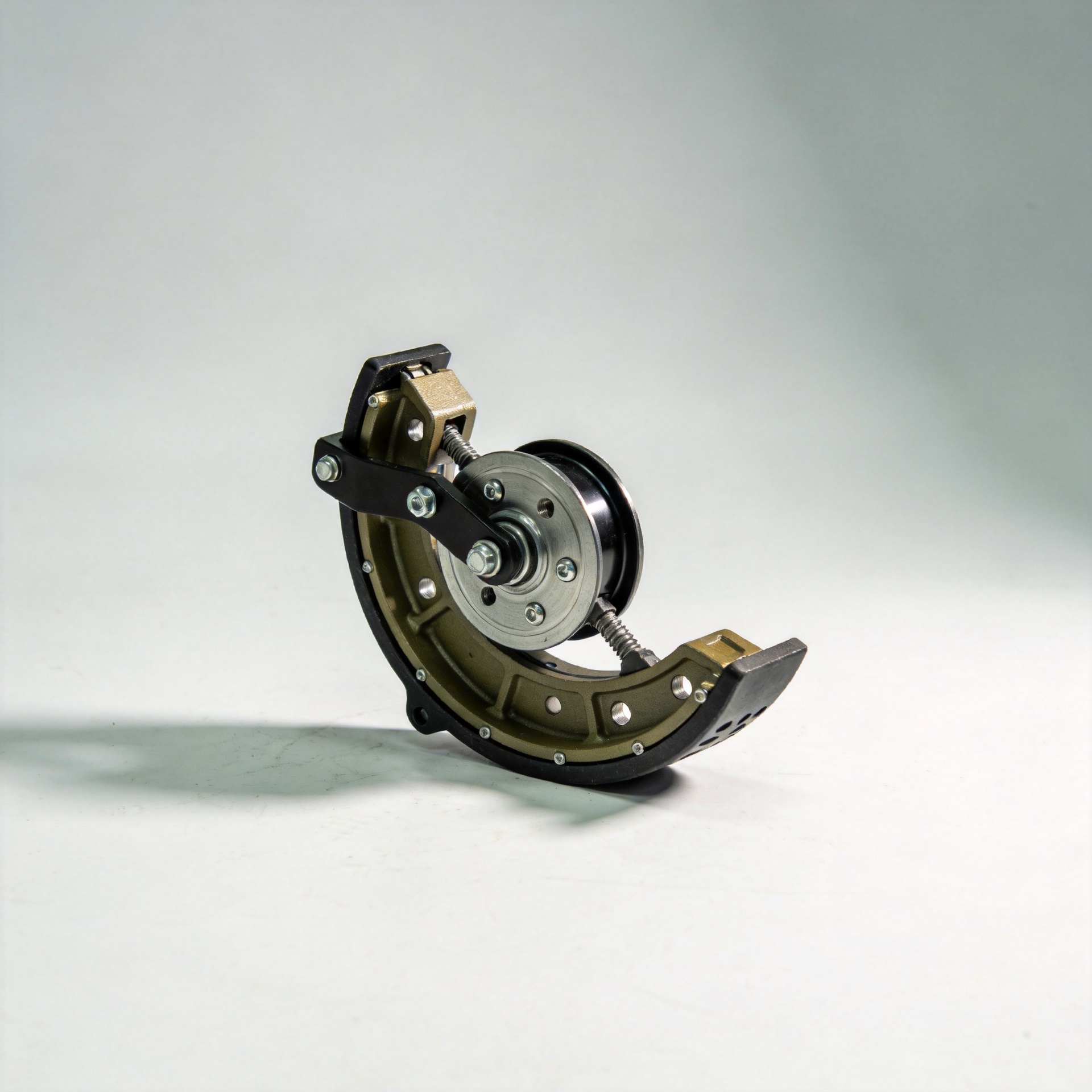
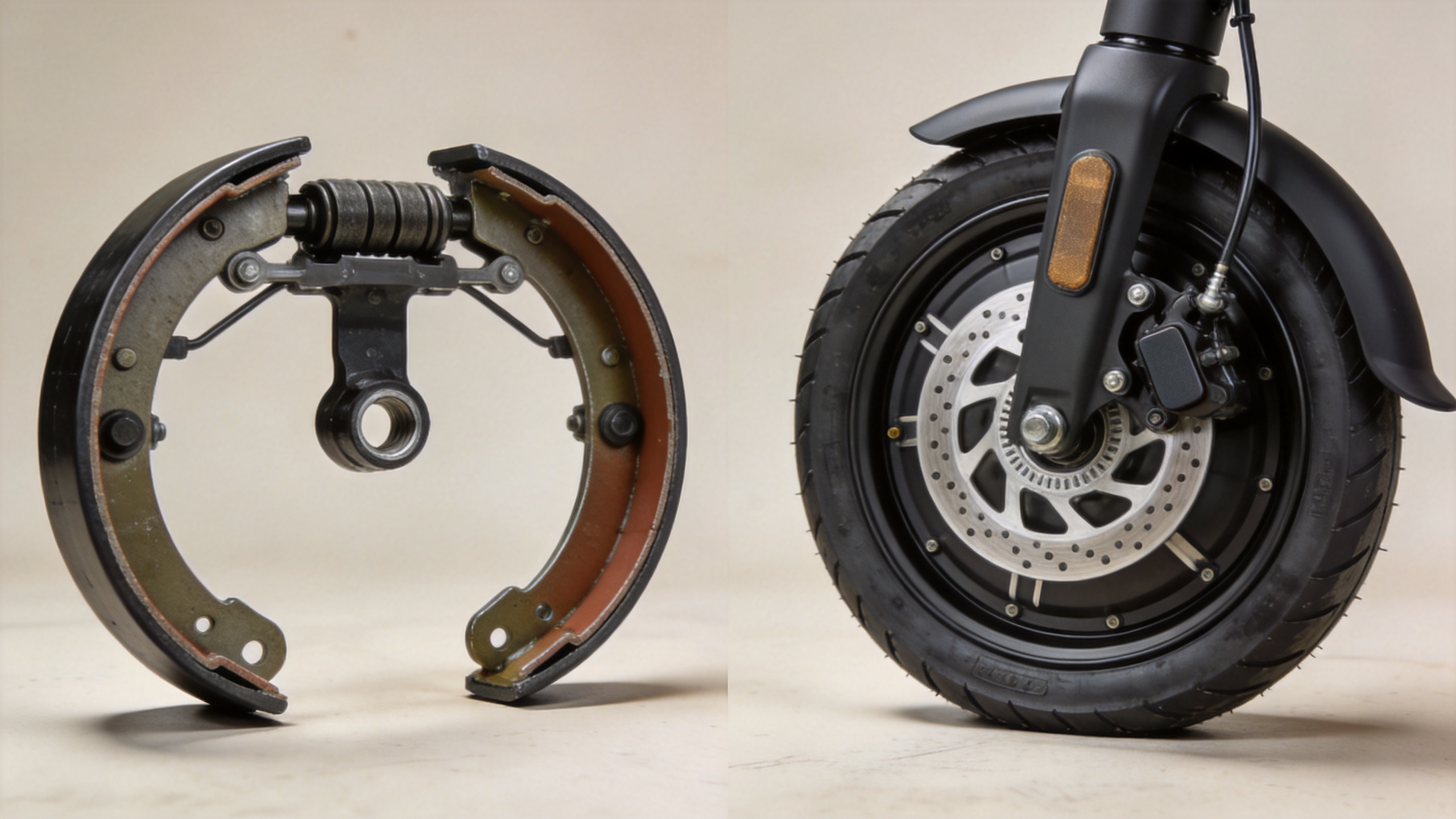
An electric scooter brake shoe is a curved metal support piece with friction lining on its outside edge. In a drum brake, a cam or actuator pushes the shoes outward against the inner surface of a rotating drum. The whole assembly is normally enclosed in or near the wheel hub.
Brake pads for scooters are flatter, smaller friction blocks mounted in a disc-brake caliper. When the lever is applied, the caliper squeezes the pads from both sides of a rotor. An electric scooter brake shoe cannot fit a disc caliper, and a disc pad cannot act as a drum shoe. The names may sound similar because both convert lever force into friction, but their shapes, mounting points, and operating directions differ.
| Feature | Electric scooter brake shoe | Disc brake pad |
|---|---|---|
| Brake system | Drum brake | Disc brake |
| Working location | Inside the drum or hub area | Inside a caliper around a rotor |
| Typical shape | Curved, semi-circular shoe | Flat backing plate with friction material |
| Friction direction | Presses outward | Clamps inward from both sides |
| Fitment checks | Drum diameter, shoe width, pivot and cam layout | Caliper model, pad outline, backing plate and retaining method |
How to identify an electric scooter brake shoe on the vehicle
Start at the wheel. If you see a round metal housing with no exposed brake rotor, the scooter may use a drum brake and therefore an electric scooter brake shoe. A cable-operated drum brake often has an external lever arm near the hub. The shoes themselves remain hidden until the drum is opened.
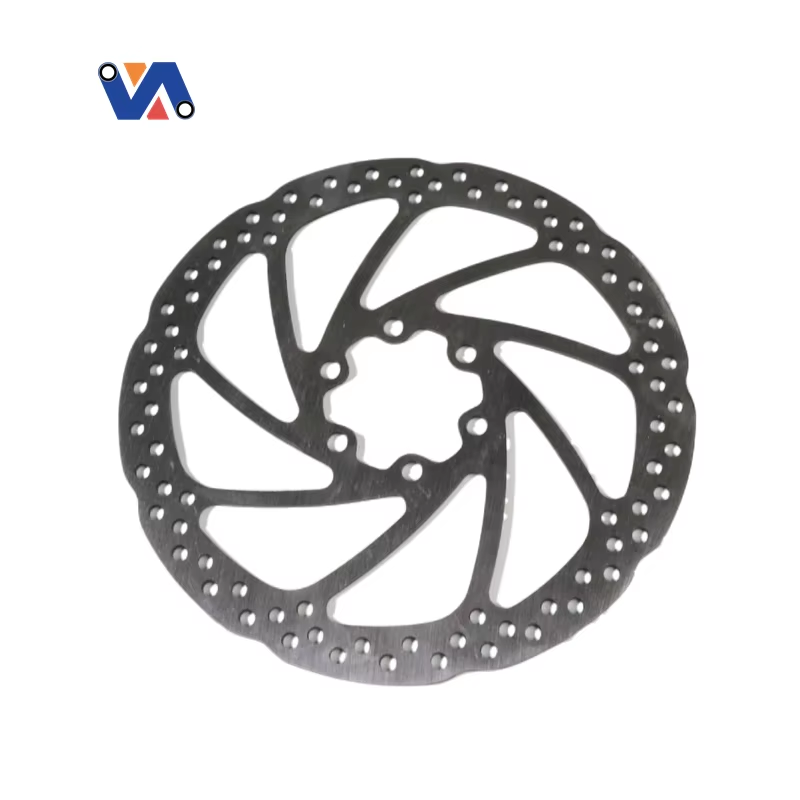
If you can see a thin circular rotor beside the wheel and a caliper straddling it, you need brake pads for scooters instead. Some scooters use one system at the front and another at the rear, so do not assume both wheels require the same replacement part. Checking each wheel is a simple step that avoids ordering an electric scooter brake shoe for a disc-equipped end of the vehicle.
Why listings sometimes blur the terms
Search results may call a drum component a “drum brake pad shoe,” while a disc listing may simply say “brake pad.” This naming overlap is understandable in everyday retail language, but it is not enough for sourcing. A buyer should use “electric scooter brake shoe” when searching for a drum-brake part and pair the query with the scooter model, drum size, or hub details. For a disc system, add the caliper or pad shape where that information is available.
Many compatibility problems come from relying on a photo alone. I used to think that matching a general outline was enough; in practice, pivot locations, spring seats, retaining holes, and lining thickness can matter just as much. The same caution applies to brake pads for scooters: two pads can look close while using different backing plates or retention tabs.
What matters when selecting an electric scooter brake shoe
For a drum system, record the vehicle model and the brake position first. Then verify the following items before placing an order:
- Drum size: Measure or confirm the inside diameter specified for the brake assembly.
- Shoe width and curvature: An electric scooter brake shoe needs the correct arc and lining width for the drum.
- Pivot, cam, and spring arrangement: These details determine whether the shoes seat and actuate correctly.
- Front or rear location: The two ends may use different hub assemblies.
- Model-year variation: A product family can change brake hardware during its production life.
If you are sourcing for a fleet or resale program, request clear pictures of the old electric scooter brake shoe, the hub marking, and the vehicle model label. This is generally more dependable than choosing solely by the word “universal.”
What matters when selecting brake pads for scooters
Disc pads need a different checklist. Confirm whether the scooter has a mechanical or hydraulic caliper, then compare the pad outline, backing-plate shape, retaining pin or spring arrangement, and rotor size. A disc-pad listing should describe the compatible scooter or caliper application rather than being selected merely because the friction material appears similar.
For example, the product page for New Image brake disc pads for Xiaoniu KQ3/KQ3 Pro/KQ2 kick scooters is relevant only after the buyer has confirmed a compatible disc-brake application. It is not an electric scooter brake shoe and should not be substituted into a drum brake.
Maintenance clues: when should you inspect the friction parts?
Reduced braking response, unusual noise, a lever that travels farther than expected, or visible wear can all justify an inspection. Those symptoms do not diagnose a part by themselves. A technician should inspect the full system, including cable adjustment, rotor or drum condition, mounting hardware, and actuator movement. If your scooter uses a drum brake, inspect the electric scooter brake shoe and its lining condition according to the vehicle service guidance. If it has a disc brake, inspect the pads and rotor together.
Environmental conditions matter too. A drum housing shields an electric scooter brake shoe from much of the road debris, while a disc system exposes its rotor and pads to the outside. Neither layout removes the need for periodic checks. If moisture, dirt, or wear affects braking behavior, avoid guessing which component is fitted; verify the system first.
A practical ordering workflow for buyers and repair teams
- Identify drum or disc hardware by inspecting the wheel assembly.
- Write down the scooter brand, exact model, production variation if known, and brake position.
- Photograph the removed electric scooter brake shoe or disc pad next to its hardware.
- Compare dimensions, mounting features, and supplier fitment information.
- For uncertain cases, ask for technical compatibility support before purchasing.
For distributors serving varied scooter models, this process reduces the chance that a correct-looking electric scooter brake shoe reaches a vehicle with a disc-caliper system. New Image supplies electric scooter and e-bike parts and can assist buyers with fitment confirmation when they provide the vehicle and component details.
The takeaway
An electric scooter brake shoe belongs to a drum brake and presses outward inside the drum. Brake pads for scooters belong to a disc brake and are squeezed by a caliper against a rotor. Treat the two as different component families, confirm the brake system before sourcing, and use dimensions and hardware details to validate fitment. That basic distinction helps maintenance teams and buyers choose the right replacement without relying on ambiguous listing language.