EN


Electric Scooter LED Lights: Front, Rear and Safety Functions
Electric scooter LED lights are easy to treat as a small accessory, but they are a practical communication system for every ride. A rider needs to see the surface ahead, be noticed by people approaching from behind, and make braking or turning easier for others to interpret. When those jobs are separated, choosing electric scooter LED lights becomes much simpler than looking for the brightest product listing.
For commuters, service shops, and parts buyers, the useful question is not “Which light is most appropriate?” It is “Which visibility problem does this light solve on this scooter?” That shift helps prevent a common mistake: fitting one generic lamp and assuming it covers every safety function. In real traffic, a headlight, a tail light, a brake-warning light, and a turn signal each communicate something different.
Start with the four jobs of electric scooter LED lights
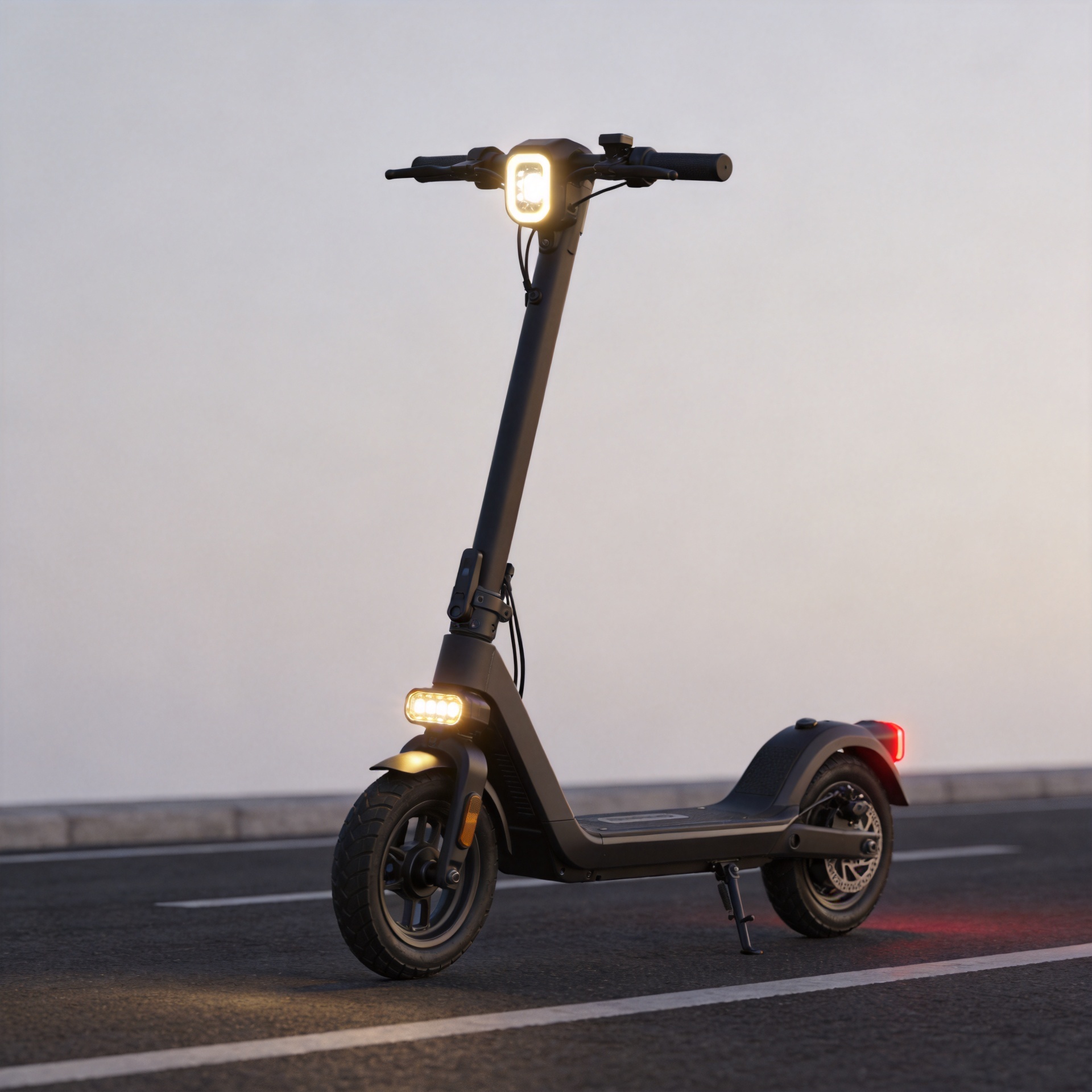
Electric scooter LED lights are most effective when they work as a coordinated set. A front light helps the rider read the path ahead. A rear light helps following traffic notice the scooter. A brake light signals deceleration. Turn indicators communicate a planned direction change before the scooter moves across a lane or toward a junction.
| Lighting function | Primary purpose | What to check |
|---|---|---|
| Front headlight | Forward visibility and front recognition | Mounting angle, beam direction, power connection |
| Rear tail light | Rear presence visibility | Position, secure mounting, cable routing |
| Brake-warning light | Signals slowing or braking | Brake-controller compatibility and response check |
| Turn signal | Communicates intended direction | Signal visibility, controller or remote pairing, mounting position |
Reflectors can support this system, but they do not replace active electric scooter LED lights. Passive reflectors depend on another vehicle’s light source, while active lamps help establish the scooter’s presence in low-light conditions.
Front lights: see the route without dazzling others
A headlight scooter setup has two responsibilities: helping the rider identify the road surface and making the scooter recognizable from the front. The second job is sometimes overlooked. A lamp that is mounted too low, tilted upward, or partly blocked by a basket, cable, or accessory may not perform the job expected of electric scooter LED lights.
Before choosing a light for scooter use, confirm its mounting location and power arrangement. A handlebar light may be convenient, while a stem-mounted option may reduce clutter. Either way, the beam should be aimed during a real check in the riding position. The goal is a usable view of the travel path, not a beam pointed into the eyes of pedestrians or oncoming road users.
Weather exposure matters too. Electric scooter LED lights installed near the front wheel can face spray, vibration, and cable movement. Check that the housing, connector, and mounting hardware suit the actual riding environment. If the scooter is used on uneven pavement, a secure bracket and protected cable route are just as important as the lamp itself.
Rear and brake lights: tell people behind you what is happening
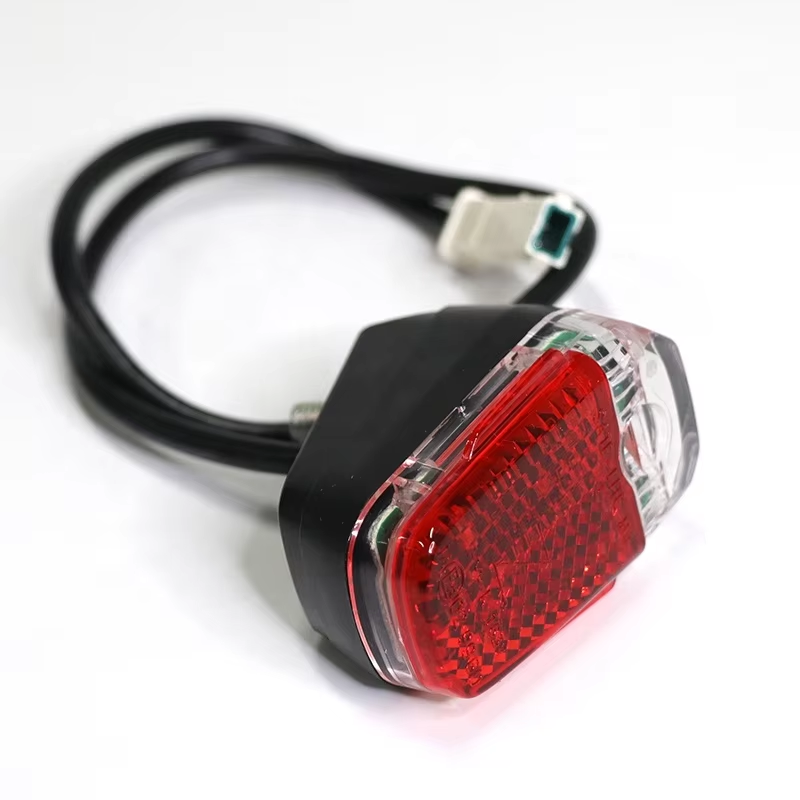
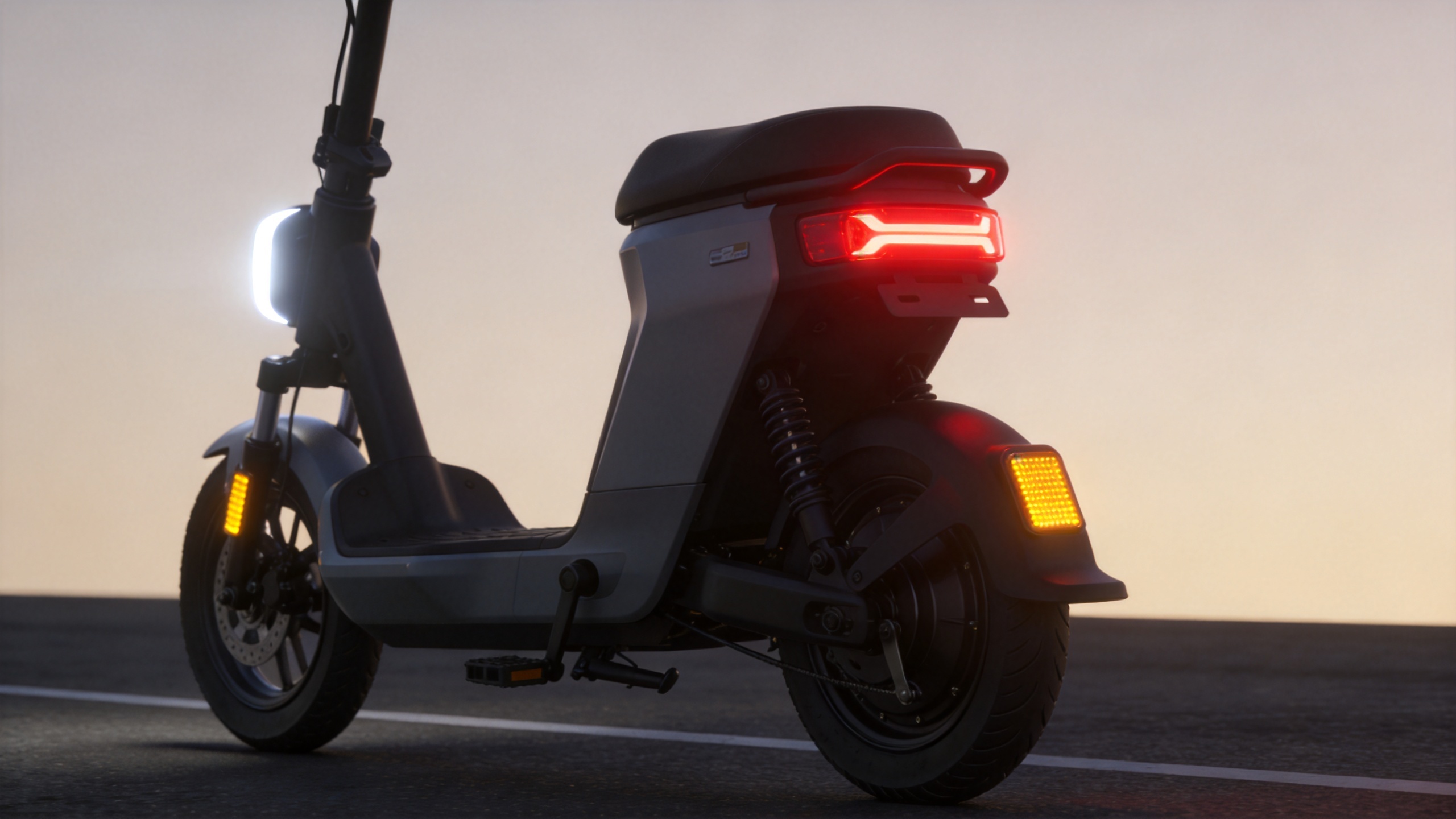
A steady red tail light tells road users behind the rider that the scooter is there. A brake-warning function adds another message: the scooter is slowing down. That distinction is valuable in dense traffic, where a following rider or driver may have only a short moment to recognize a change in speed.
For retrofit electric scooter LED lights, placement is crucial. The lamp should remain visible when the rider is standing on the deck and when accessories are fitted. Do not let a bag, jacket, mudguard, or rear cargo arrangement hide it. After installation, test the brake response with the scooter stationary, then recheck the cable routing around any moving or folding parts.
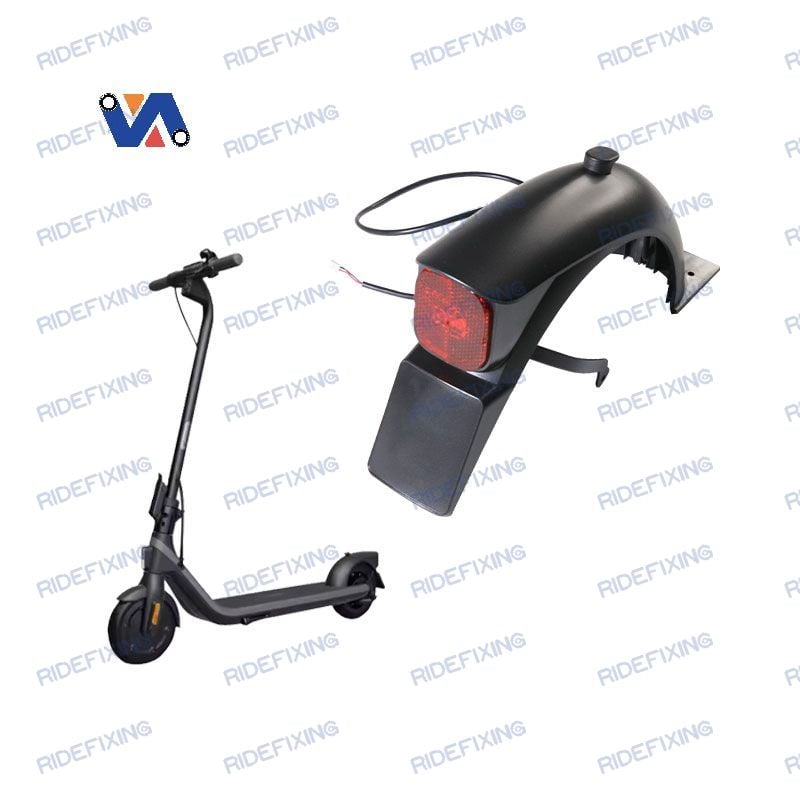
When a replacement is needed for a compatible Xiaomi M365 Pro setup, buyers can review this confirmed product page: Electric Scooter Brake Rear Tail Light for Xiaomi M365 Pro. Compatibility should still be verified against the exact scooter version and its existing electrical connection before purchase or installation.
Turn signals add clarity at junctions and lane changes
Turn signals are not a substitute for looking around or riding predictably, but they can make an intended movement easier to understand. This is especially useful when a rider needs both hands for control and cannot rely on a hand signal in every situation. Electric scooter LED lights with turn functions should be placed where the left and right indication can be recognized without being obscured.
Remote-control systems deserve a simple functional check before every important ride: confirm the remote pairs, each direction activates, the selected side is clear, and the signal cancels as expected. A product such as the 5 Modes Wireless Remote Control Turn Signal USB LED Back Light may be relevant where a rear-mounted turn-signal arrangement is appropriate. Its title alone does not establish fitment, so verify mounting space and local requirements first.
How to choose a light for scooter compatibility
When sourcing electric scooter LED lights, begin with the scooter rather than the light. Record the model, intended mounting point, available space, existing connector type, and whether the original light uses the scooter battery or a separate rechargeable system. A headlight scooter replacement that looks similar can still have a different plug, bracket, voltage requirement, or cable length.
- Match the mounting point: check hole spacing, bracket style, and clearance around folding mechanisms.
- Check the electrical path: do not assume connectors or power arrangements are interchangeable.
- Consider everyday exposure: inspect seals, strain relief, and cable protection for the rider’s conditions.
- Keep the signal visible: confirm that bags, rear racks, or clothing will not cover rear electric scooter LED lights.
- Test before riding: check front, rear, brake, and turn functions individually after installation.
From a parts-selection perspective, compatibility confirmation is more useful than chasing a generic feature list. A light for scooter use should fit the vehicle, remain secure in motion, and perform its intended communication role consistently.
A quick pre-ride lighting routine
Electric scooter LED lights need a short inspection because a loose mount, drained battery, or damaged cable can undo a good installation. Before a dusk, night, or poor-weather ride, switch on the headlight and tail light, operate the brakes, and activate each turn direction. Walk a few steps away to see whether the rear light is blocked. Then look at the front mounting angle from the side.
If a lamp flickers, moves under light pressure, or does not respond consistently, solve that issue before relying on it. This is not about making claims that one component can guarantee safety; it is about reducing avoidable visibility gaps. Good riding judgment, suitable speed, local rules, and attention to conditions remain essential alongside electric scooter LED lights.
Build a lighting system around clear communication
The most useful electric scooter LED lights are not necessarily the ones with the most modes. They are the ones that give each road user a clear message: the rider can see ahead, the scooter is present, it is slowing down, or it is about to turn. Start with front and rear visibility, add a dependable brake-warning function where compatible, and consider turn signals when they suit the riding context.
For distributors and repair-focused buyers, choosing electric scooter LED lights as a system also makes product selection more practical. Verify exact model compatibility, check the physical installation path, and perform a complete function test after fitting. Those small steps help turn a light for scooter accessory into a more dependable part of everyday visibility.