EN
EN


Essential Electric Cycle Spares: What Wholesalers Need to Know About High-Turnover Parts
If you source electric cycle spares for distribution, you already know the aftermarket is growing fast. What is less obvious — until a customer calls you at peak season with an urgent restock request — is which parts actually move the fastest, and why. Getting that picture right before your next purchasing cycle is the difference between staying ahead of demand and scrambling to fill backorders.
With the global e-bike market valued at USD 57.50 billion in 2025 and projected to expand at a 14.40% CAGR through 2034, the installed base of electric cycles in your target markets is compounding year over year. In the US alone, 1.7 million e-bikes were imported in 2024, a 72% jump from 2023. Europe, which holds 54.80% of global e-bike revenue, has over 15.7 million units in circulation in Germany alone. More units in the field means more e bike spare parts reaching end-of-life at predictable intervals.
Why Spare Parts Demand Is a Predictable Business Driver
Replacement parts purchasing is considerably more predictable than new-unit sales — something most experienced procurement buyers recognize early on. E-bike riders face annual tune-up and maintenance costs of $200–$400 every six to twelve months, and certain components — brakes, chains, tires, throttle assemblies — wear on a schedule that correlates directly with riding frequency and conditions. That predictability is your inventory planning advantage.
The challenge, though, is that not all ebike replacement parts turn at the same rate. Some categories — batteries, for instance — have long replacement cycles. Others, like brake consumables or inner tubes, turn several times a year per active rider. Misreading those differences is how wholesale buyers end up with too much stock in the wrong categories and not enough of the right ones.
The Five Highest-Turnover Electric Cycle Spares Categories
From field feedback across European and North American wholesale accounts, these five categories get reordered most consistently:
1. Tires and Inner Tubes
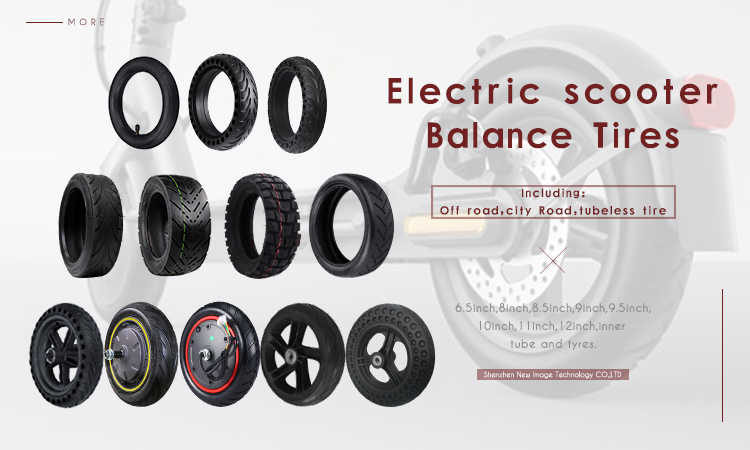
Tires are the top-turnover item in most wholesale portfolios. Road surface, rider weight, and inflation habits all accelerate wear — and different road conditions affect wear patterns in distinct ways. Urban riders on rough pavement tend to experience faster sidewall degradation, while off-road use wears the tread center unevenly. Keeping a depth of stock in the most common sizes (20-inch, 26-inch, and fat-tire variants) reduces the risk of stockouts during summer riding peaks.
2. Brake Pads and Brake Components
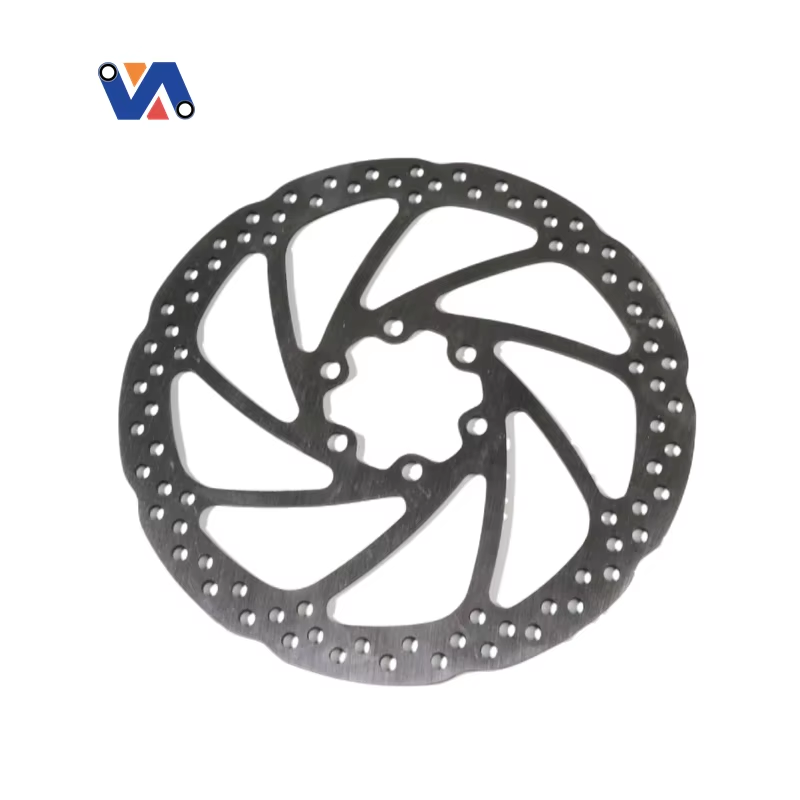
Mechanical and hydraulic brake pads are among the most frequently replaced electric cycle spares in service. Heavier e-bikes — particularly cargo and commuter models — generate more braking heat, wearing pads faster than traditional bicycles. Wholesalers targeting European markets should note that EN 15194-compliant systems require periodic brake inspections, driving consistent aftermarket demand. Stocking both organic and sintered pad variants gives retailers the flexibility to cover multiple models.
3. Throttle Assemblies and Controls
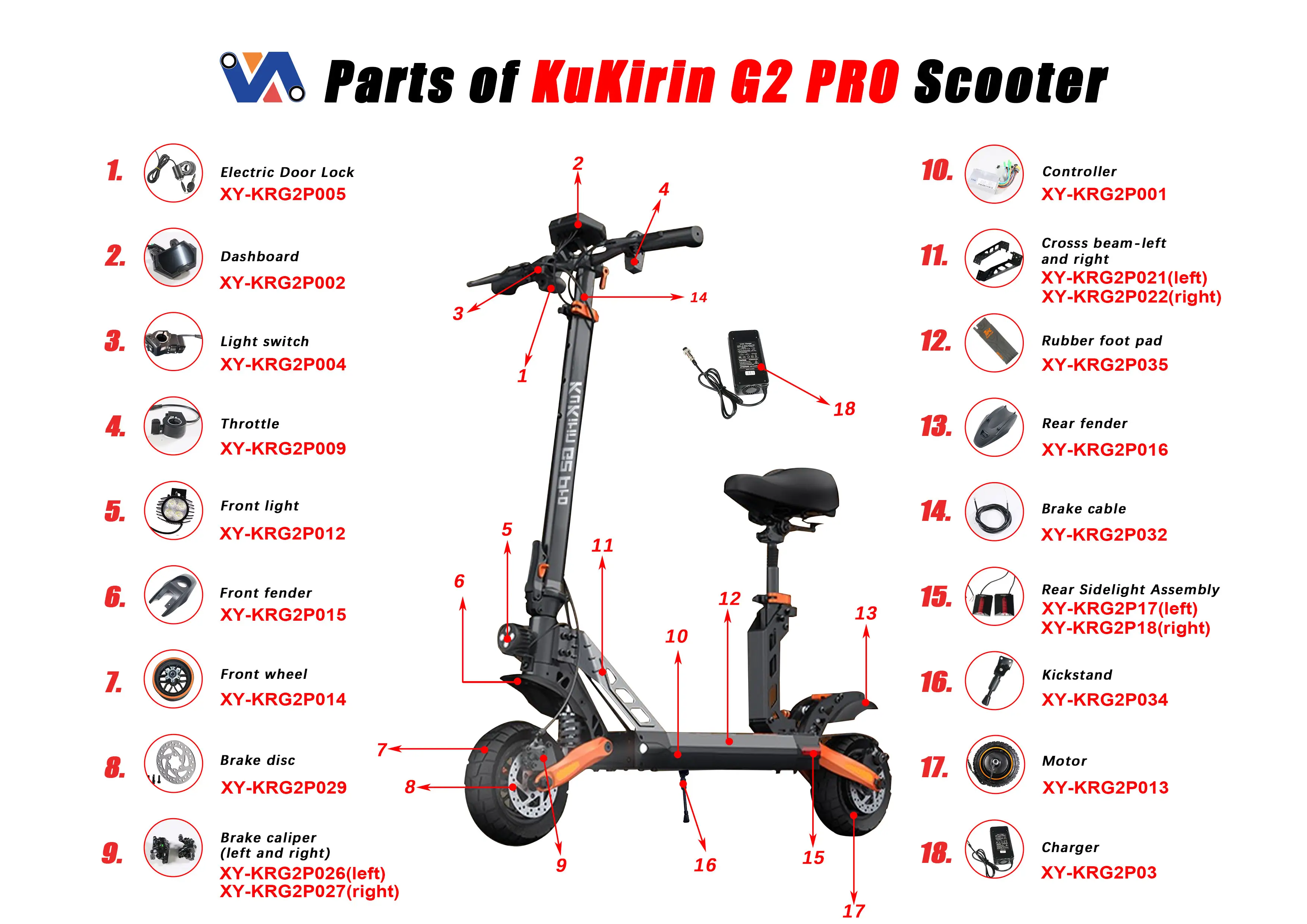
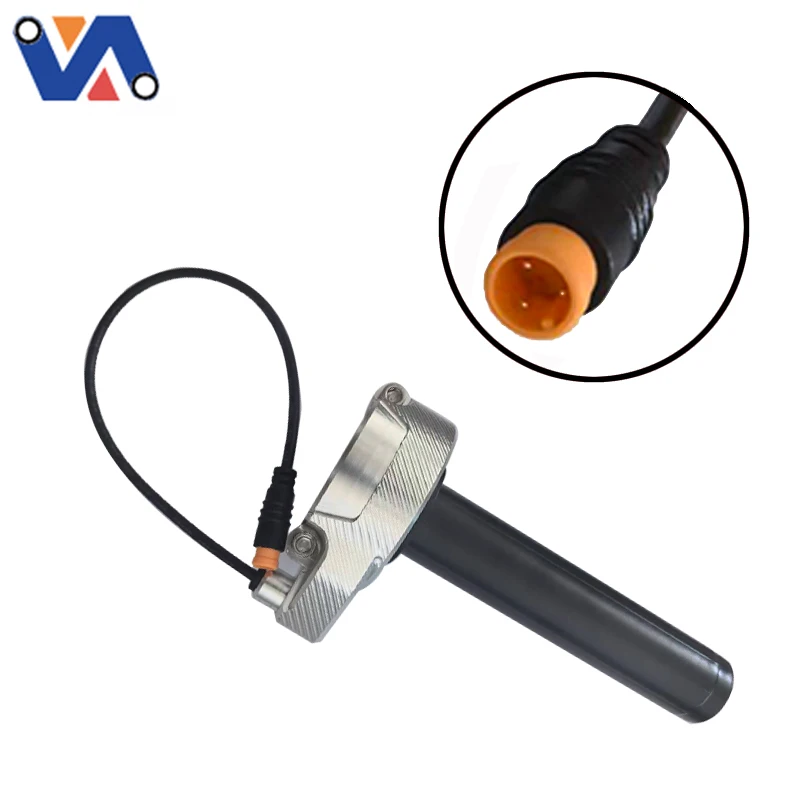
Throttles take repeated physical stress from daily use, and the electrical contacts inside are vulnerable to moisture ingress — a particular issue in humid coastal markets and rainy climates. Twist-style throttles are the dominant form factor, with CNC-machined aluminum bodies tend to hold up considerably longer than plastic equivalents in field conditions. For wholesalers servicing the light-electric and e-moto segment, a well-specced option like the 3-Pin Twist Throttle CNC Electric Bike Accelerator with M8 Male Connector addresses compatibility across multiple common connector standards while holding up to field conditions.
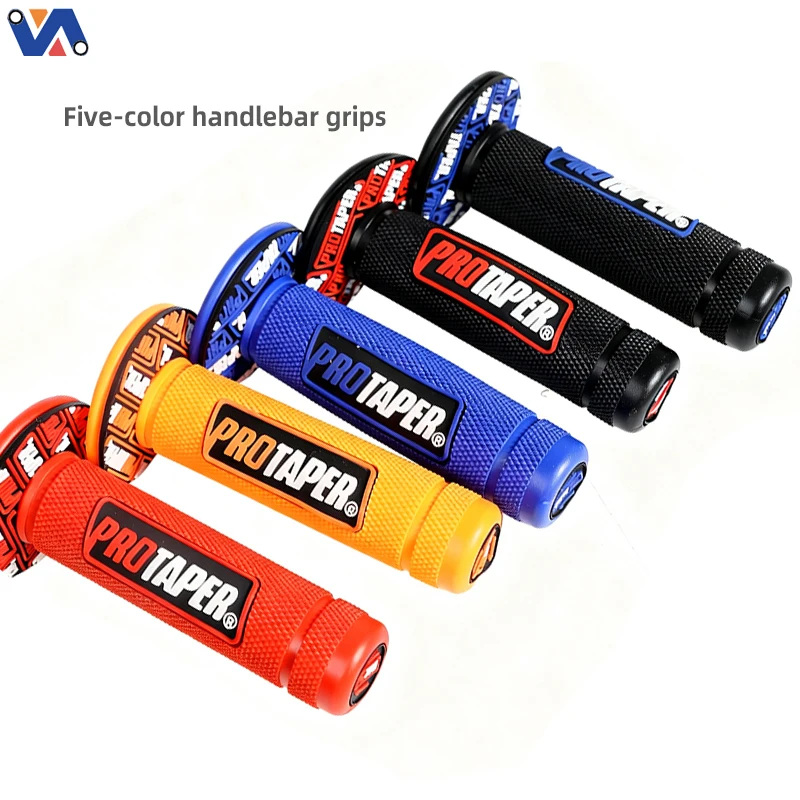
Hand grips, often bundled with throttle orders, also see steady replacement demand. Rubber compounds degrade with UV exposure and repeated handling, and riders frequently upgrade grips for comfort. Non-slip ergonomic variants — such as those designed for Light Bee and e-moto platforms — move well in markets where off-road and light electric vehicles are popular. 22mm non-slip rubber hand grips for Light Bee and E-Motos are a useful addition to any throttle-and-controls bundle offering.
4. Controllers
Controllers sit at the intersection of electrical and mechanical failure modes, making them a moderate-to-high-turnover replacement item. Heat, moisture, and voltage spikes are the main failure causes. Survey data indicates that roughly 6% of riders have replaced their motor or drive system two to four times on the same bike — and controller failures often precede motor replacements when root causes are not properly diagnosed. Stocking controllers by wattage class (250W EU-legal, 350W, and 500W+) rather than by brand affinity gives you better cross-model coverage.
5. Batteries and Chargers
Lithium-ion batteries represent 98.41% of the 2025 e-bike market, and their replacement cycle — typically two to five years depending on charge habits and climate — makes them a slower-turning but high-value category. Chargers cycle through replacement faster. Daily thermal stress and the occasional voltage mismatch add up, particularly in markets where voltage standards differ by country. Carrying chargers that support multi-voltage ranges simplifies stocking for wholesalers serving both European (230V) and North American (120V) retail channels.
Stocking Strategy: Depth Versus Capital
For most wholesalers, the tension is not identifying which e bike spare parts to carry — it is deciding how deep to go on each SKU. Tying up capital in slow-moving battery stock while running short on brake pads is a common and costly imbalance. A practical approach is to tier your inventory depth: high-frequency consumables (brake pads, tires, grips, inner tubes) warrant deeper stock with faster reorder triggers; medium-cycle items (throttles, controllers, chargers) benefit from slightly shorter safety-stock windows; and high-value, slow-cycle items (batteries, motors) benefit from a lead-time-aware approach, increasing depth ahead of known demand peaks.
Pre-season planning matters more for e-bike spares than most wholesalers initially expect. The riding season in northern Europe and North America compresses demand into a six-month window, and experienced buyers begin building positions on tires, brake consumables, and grip-and-throttle kits in late Q1 to avoid Q2 stockouts.
Why Sourcing Location Shapes Part Reliability
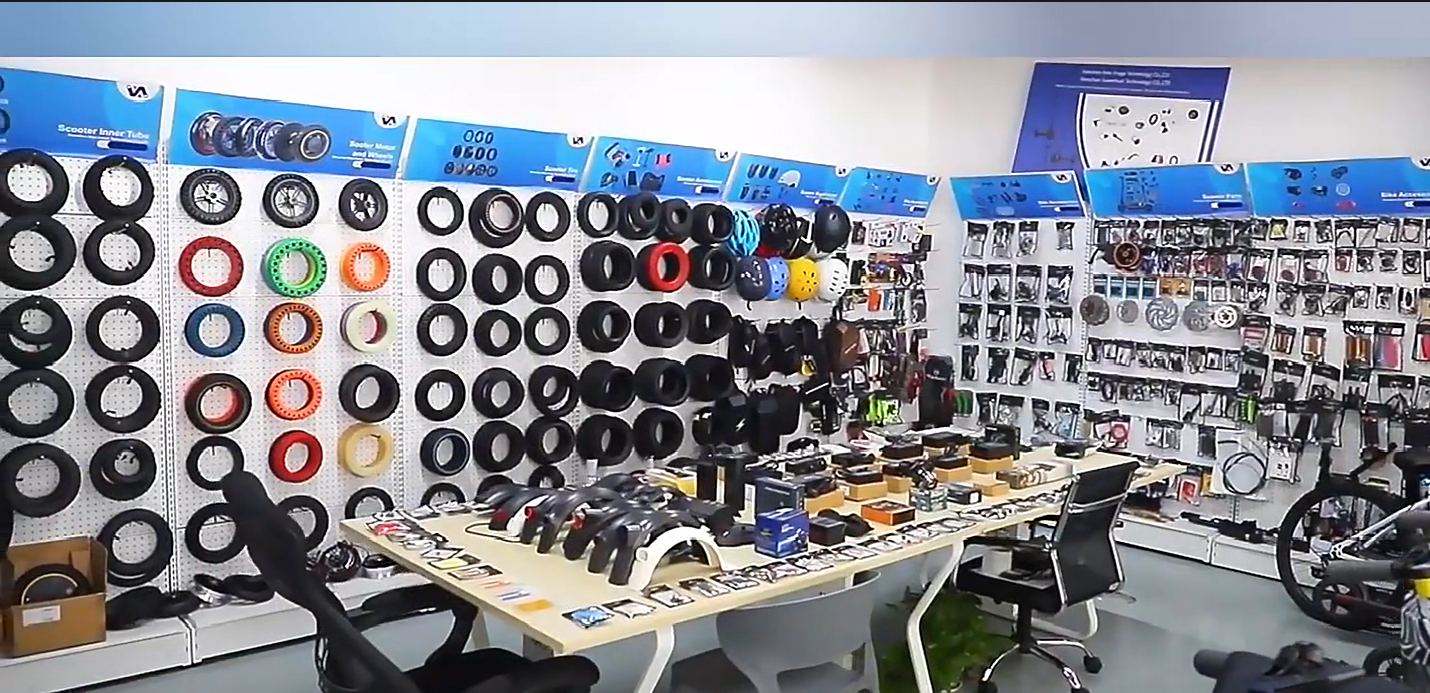
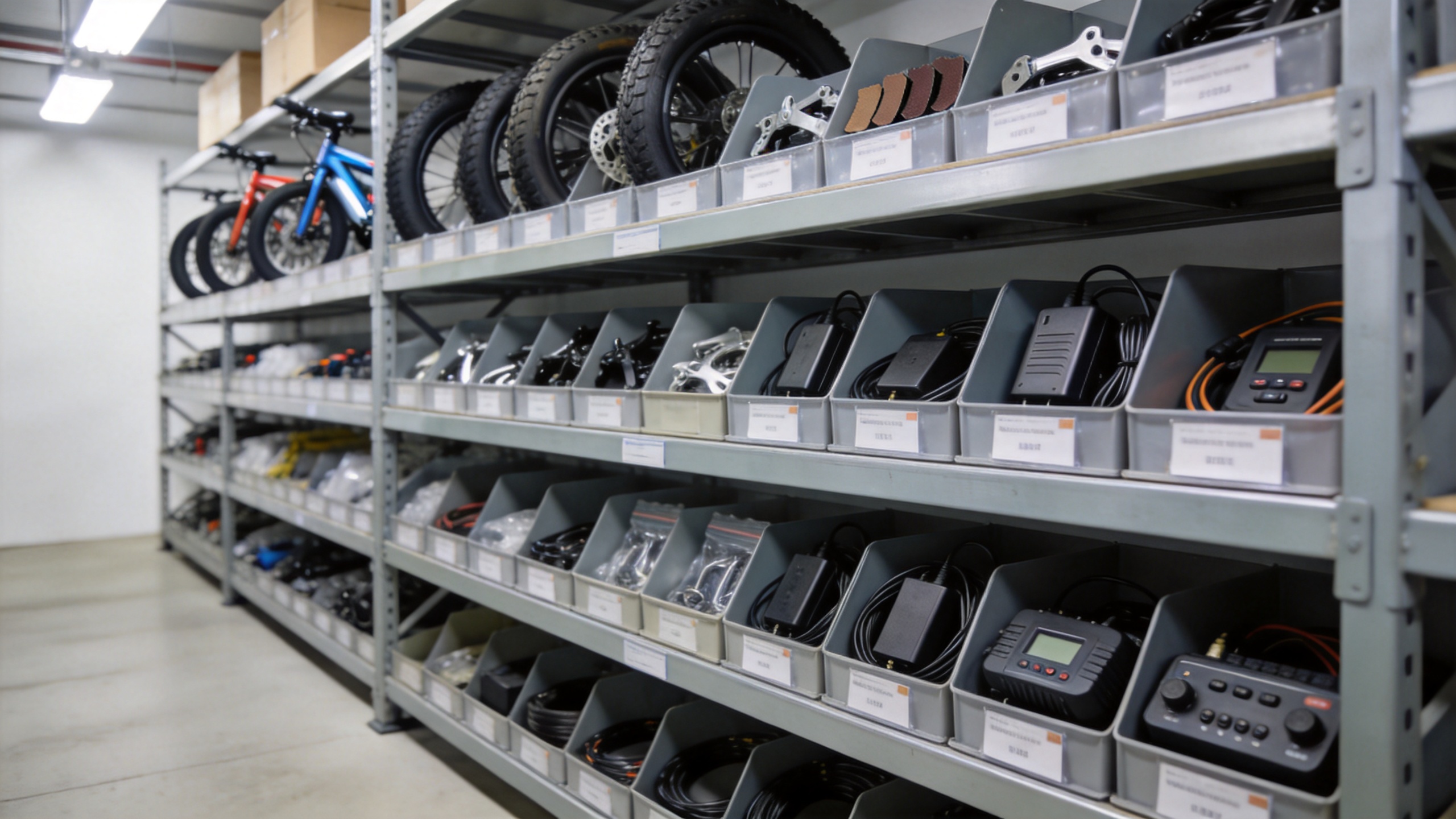
Not all electric cycle spares supply chains are equal. Sourcing from manufacturers based in the Shenzhen and Greater Bay Area cluster — home to the majority of global e-bike component production — gives wholesalers access to shorter lead times and a wider component ecosystem. Suppliers with multi-category coverage (tires, chargers, brake components, lighting, and controls under one roof) reduce coordination overhead and improve compatibility across bundled orders.
For buyers focused on the European and North American markets, verifying that a supplier's products meet relevant import standards — particularly around charger and battery safety — is a due-diligence step that protects both the supply chain and the end retailer. New Image, based in Shenzhen with established export operations to Europe, North America, Oceania, and South America, offers multi-category product lines alongside pre-sales technical support for model compatibility confirmation, which reduces the risk of stocking incompatible parts.
Building a Sustainable Wholesale Parts Portfolio
The wholesalers who build durable electric cycle spares businesses tend to share one habit: they track replacement rates at the SKU level, not just at the category level. Knowing that 20-inch fat tires in a specific load rating consistently sell two to three times faster than 26-inch touring variants in a given market changes your ordering logic more than any general advice about "stocking tires."
Starting with the highest-frequency categories — tires, brake pads, grips, and throttle assemblies — and building out from there based on your customer feedback gives you a data-grounded inventory foundation. As your installed-base context grows, you can layer in the slower-cycle categories with confidence.
For wholesalers looking to consolidate sourcing for core e bike spare parts categories, exploring a supplier with proven multi-market export experience and a range that spans consumables through drivetrain components is a practical starting point for building that portfolio.