EN
EN


Why Waterproof Markings Matter When Selecting E-Bike Front Lights
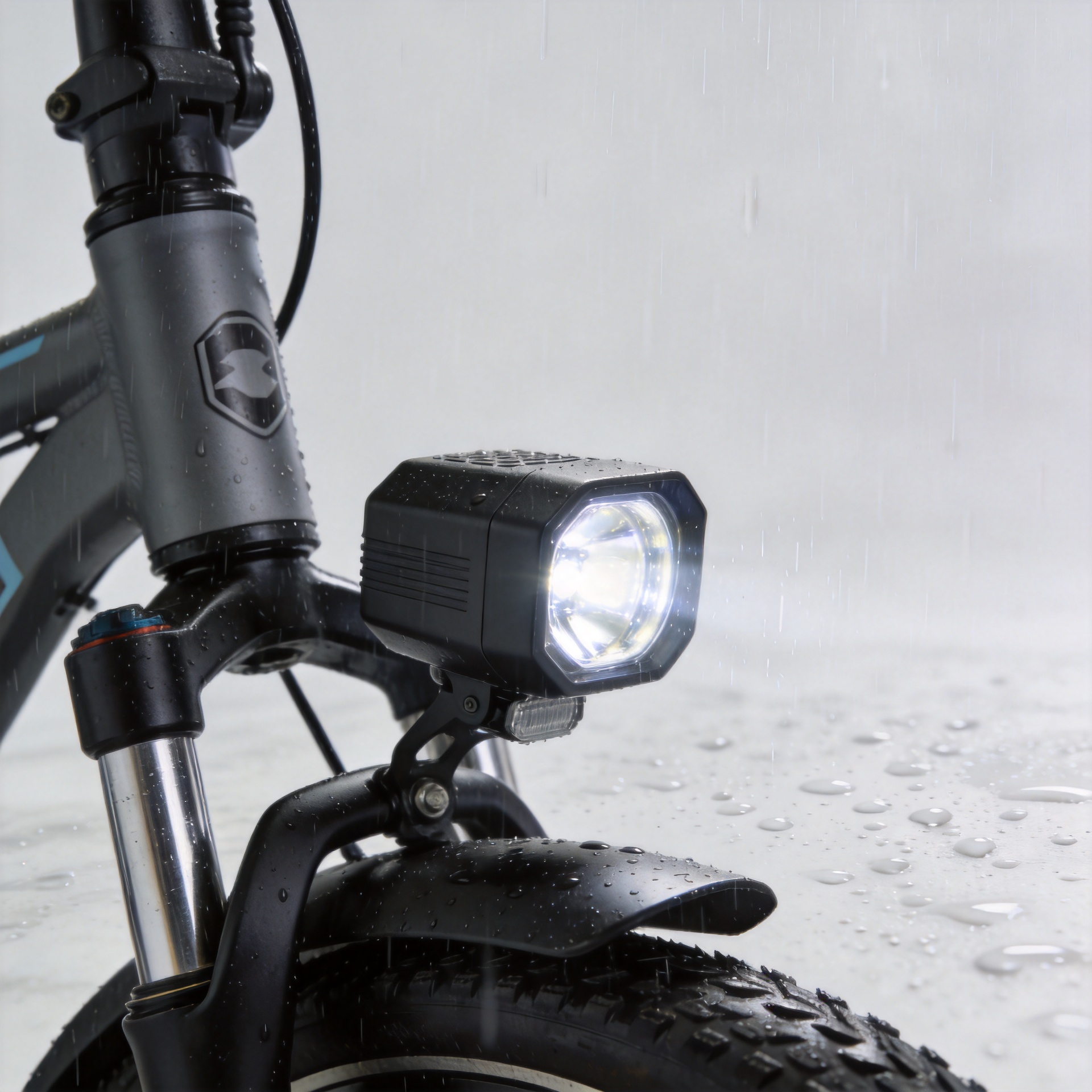
For a buyer comparing e bike lights, a waterproof marking is not decoration. It is an early clue about how the front light may cope with rain, road spray, damp storage, and cleaning. But it is only a starting point. A clear marking can help you ask better questions; it does not, by itself, prove that every part of the lighting system will survive every wet condition.
That distinction matters for distributors, repair shops, and fleet buyers. E bike lights are exposed to a different mix of vibration, wiring routes, mounting angles, and weather than many indoor electronic products. A practical selection process should connect the marking on the product to the rider’s real environment, the installation method, and the supplier’s available specification documents.
What a waterproof marking tells you about e bike lights
On e bike lights, a waterproof or water-resistant label usually signals that weather exposure has been considered in the product design. That is useful when the light will be used on commuter bikes, delivery bikes, rental fleets, or replacement-part programs where rain is a normal operating condition. It can direct attention to the enclosure, lens interface, cable exit, connector, switch, and mounting position rather than to brightness alone.
For electrical enclosures, an IP code is the common standardized way to describe protection against ingress. The IEC explains that the code grades resistance to dust or liquids, and its second numeral relates to liquid protection. So when comparing e bike lights, a stated IP code can be more informative than a general word such as “waterproof”—provided the seller can confirm that the code belongs to that exact model and that the stated test conditions are relevant.
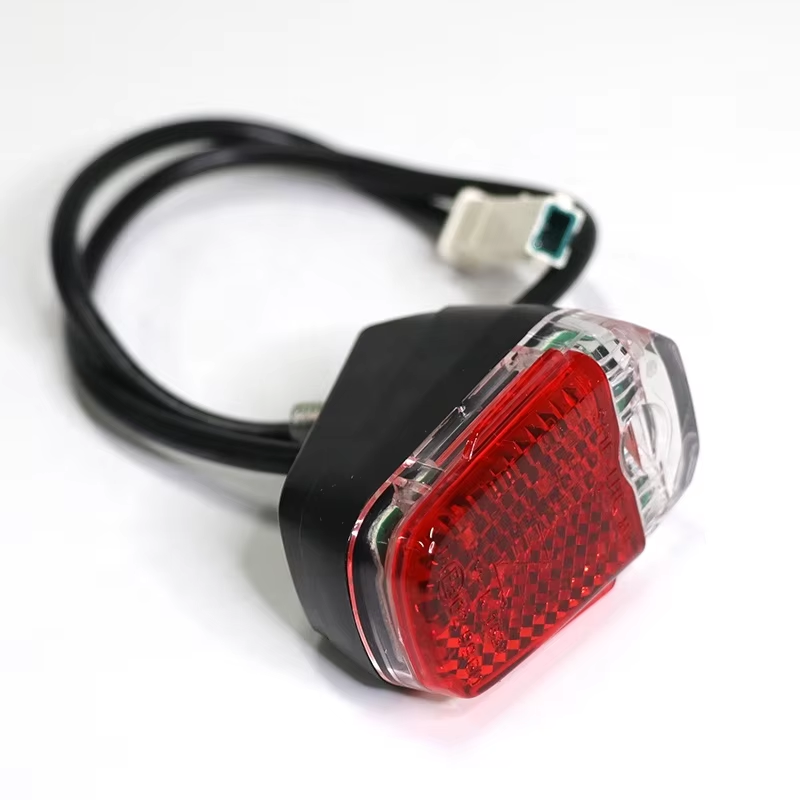
A label without a rating is still not meaningless. It may tell you to investigate further. The key is to avoid turning a product-name claim into an unverified engineering promise. For example, the matched product is listed as a waterproof LED front headlight for Engwe E26/E26 ST, yet the available product information does not state a specific IP rating. Buyers should request the actual rating, test scope, connector details, and installation guidance before specifying it for a defined weather requirement.
Why the word alone is not enough
Rain does not reach every part of e bike lights in the same way. A front lens may shed rain while water collects near a cable gland. A sealed housing may perform well, while an exposed connector or poorly routed cable creates the weak point. Installation can change the outcome too: a lamp tilted upward may hold water differently from one mounted in its intended orientation.
This is why experienced parts buyers move from “Does it say waterproof?” to “What exactly was evaluated?” Ask whether the marking refers to the complete assembled light, the housing only, or a component. Confirm whether mounting hardware, wiring harnesses, plugs, and control interfaces are included in the relevant scope. That extra check is especially valuable for replacement e bike lights, because compatibility errors and installation mistakes often create returns that a label cannot prevent.
Match the marking to the riding environment
Use the likely exposure pattern to frame your evaluation of e bike lights. A bike that sees occasional light rain has a different need from a delivery e-bike that spends long shifts in changing weather. Road spray, puddles, washing practices, temperature swings, and storage outdoors can all affect the choice.
| Operating situation | What to verify before buying |
|---|---|
| Occasional rainy commute | Ask for the stated water-protection marking, intended orientation, and basic cable-routing guidance. |
| Daily commercial riding | Request model-specific documentation, connector information, mounting instructions, and replacement support. |
| Wet-road or spray-prone routes | Check sealing around cable exits, housing joints, and the installed position—not only the front lens. |
| Bike washing or outdoor storage | Confirm whether the supplier provides instructions or limits for cleaning and storage; do not assume immersion or pressure-wash suitability. |
In other words, the right level of protection for e bike lights depends on exposure rather than marketing language. It is safer to document the buyer’s use case and compare it with confirmed specifications than to select by the strongest-sounding word on a listing.
A purchase checklist for e bike lights with waterproof claims
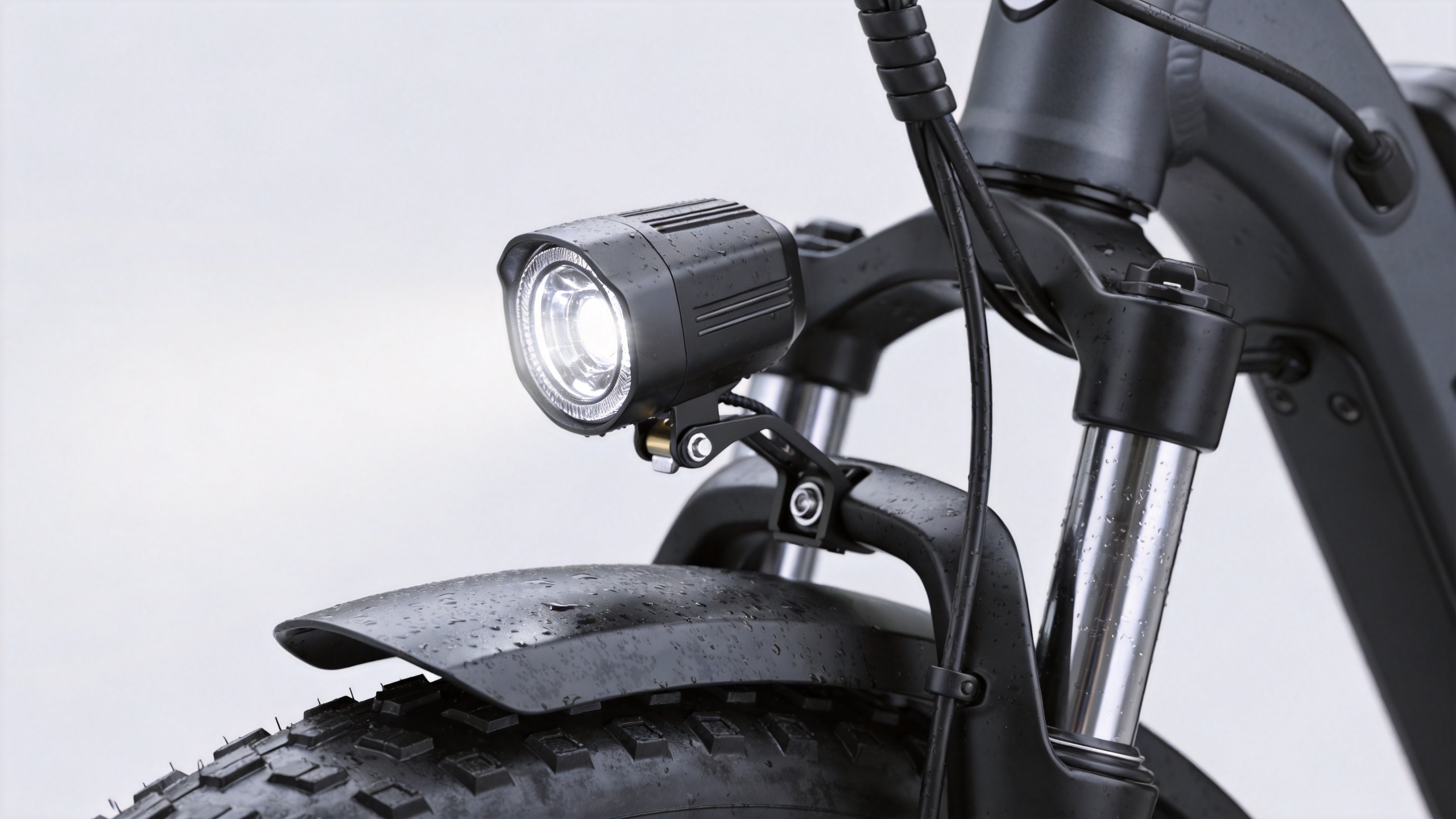
- Record the exact model. Make sure the claimed marking applies to the same version, voltage arrangement, and front-light assembly you are ordering.
- Ask for the rating or test reference. For e bike lights, request the published IP code if one is claimed, plus any explanation of what the test covers.
- Check connection points. Confirm plug type, cable length, cable exit direction, and whether connectors need additional protection after installation.
- Verify vehicle fit. A light can be weather-conscious and still be wrong for the bike. Check mount geometry, wiring compatibility, and the intended model application.
- Review installation conditions. Ask how the light should be positioned and whether fasteners, seals, or grommets are part of the supplied assembly.
- Set realistic maintenance guidance. Tell end users not to infer submersion or pressure-wash capability unless the documentation explicitly supports it.
Use waterproof information as part of a wider selection decision
Water protection is one buying signal among several for e bike lights. Beam function, rider visibility, mounting stability, electrical compatibility, replacement availability, and product documentation deserve the same disciplined review. A low price or a familiar brand name does not remove the need to confirm fit and installation details.
For B2B sourcing, this approach also makes communication clearer. Instead of making a broad promise, a buyer can state the use environment, list the required documents, and retain the supplier’s answers with the purchase record. That supports more consistent procurement and helps service teams troubleshoot when a problem occurs after installation.
Final takeaway
When selecting e bike lights, a waterproof marking matters because it prompts an essential question: how has this front light been evaluated for water exposure? The strongest answer comes from model-specific documentation, a suitable installation plan, and a realistic match between the product and the riding environment. Treat the label as a useful filter—not a substitute for verified specifications. That is the practical way to choose e bike lights with fewer avoidable weather-related surprises.