EN
EN


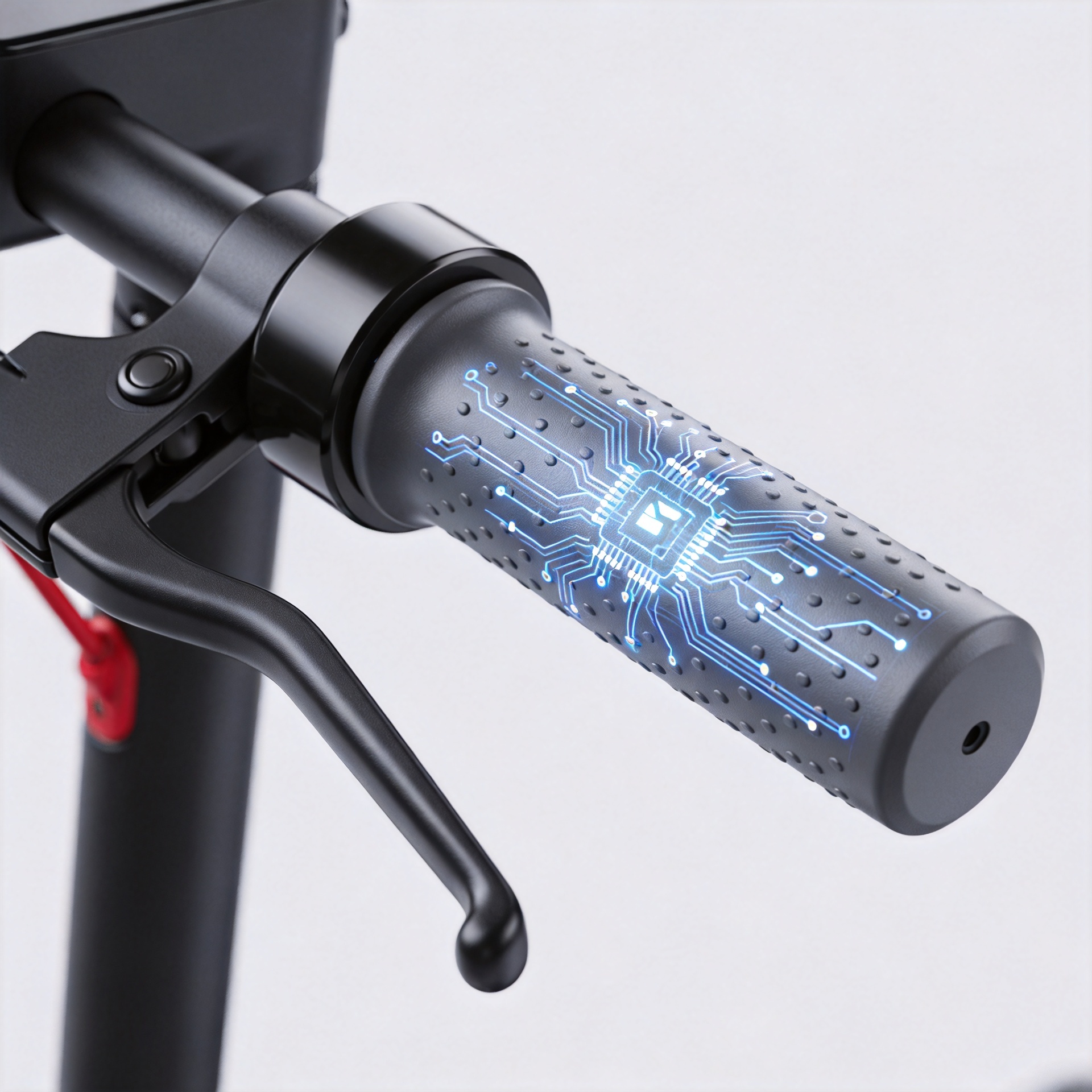
How Does an E-Scooter Throttle Work? Types, Functions, and Selection Tips
If you've sourced or stocked e-scooter parts for any length of time, you know the e scooter throttle is one of those components that looks simple but hides a lot of variation. Two throttles can look nearly identical from the outside — same grip diameter, similar housing — yet perform completely differently once wired into a controller. Before placing your next bulk order, it helps to understand what's actually going on inside.
The Basic Function of an E-Scooter Throttle
An e scooter throttle controls how much electrical current the motor controller delivers to the motor. When a rider twists or presses the throttle, it generates a variable voltage signal that the controller reads and translates into motor speed. Unlike a mechanical gas throttle that opens a fuel valve, a scooter throttle works entirely through electronic signaling.
This signal-based operation is what makes compatibility far more important than it might initially seem. A throttle doesn't simply "work" or "not work" — it has to produce a signal within the exact voltage range that the controller expects. Sourcing a replacement without checking this is one of the most common ways a batch order ends up generating returns.
Hall Sensor vs. Potentiometer: Two Different Technologies
There are two main sensing technologies inside a throttle for scooter applications: the hall effect sensor and the potentiometer.
A hall effect sensor detects throttle position using a magnetic field. As the grip rotates, a small magnet passes the sensor, generating a voltage output typically between 0.85V and 4.0V. In the standard 3-pin configuration, the three wires carry +5VDC power (red), ground (black), and the variable signal output (green or blue). The sensing is contactless, which means fewer moving parts in contact and generally better long-term reliability in high-usage or road-dust environments.
A potentiometer throttle uses a resistive element instead. As the grip turns, resistance changes, and the resulting voltage shift is read by the controller. The output range is similar, but the signal characteristics differ enough that a hall sensor throttle and a potentiometer throttle are not directly interchangeable on the same controller without a compatibility check. Mixing them is a frequent source of sluggish response or erratic behavior, even when the connector fits perfectly.
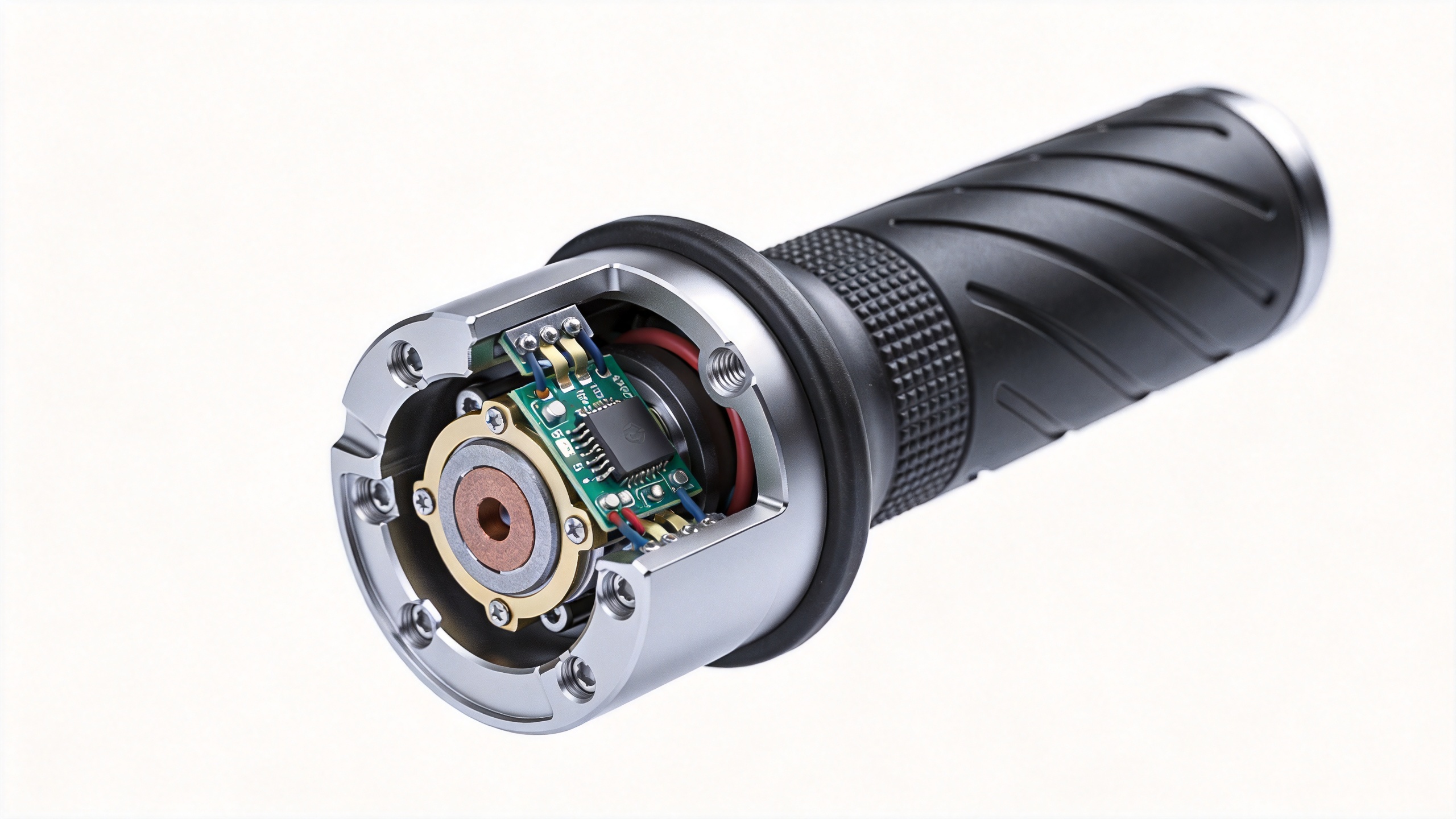
For wholesale buyers sourcing scooter throttle replacements across multiple brands and models, this distinction matters at the catalog level. When your customers' controllers are calibrated for hall sensor output, a potentiometer-type throttle may cause problems even if the spec sheet looks compatible.
Twist Throttle vs. Thumb Throttle
Physically, there are two dominant types: the twist throttle and the thumb throttle.
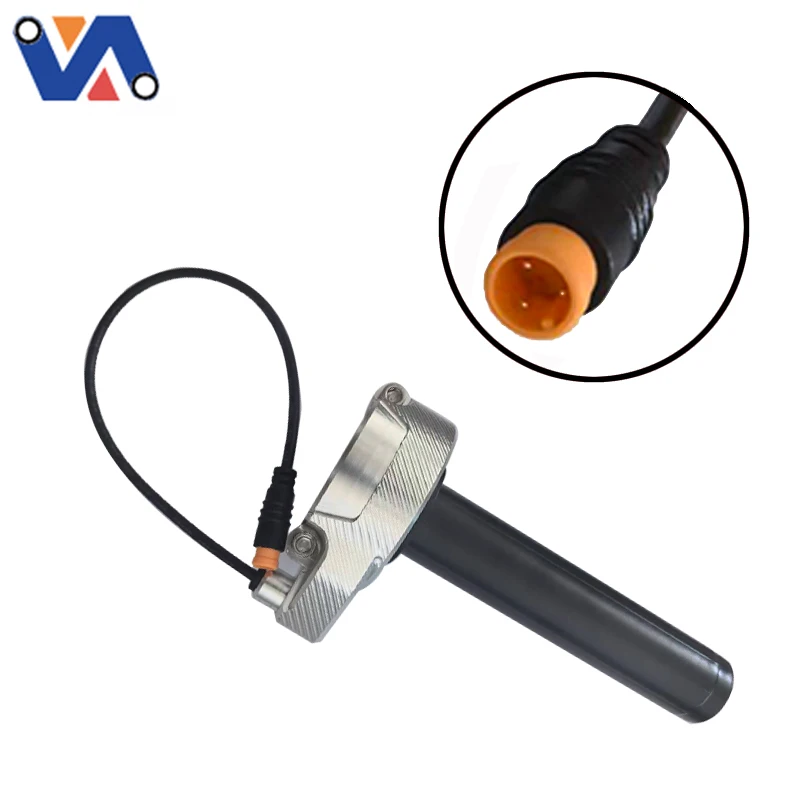
The twist throttle is operated by rotating a section of the handlebar grip, similar to a motorcycle. It provides precise acceleration control and is well-suited to performance or higher-speed scooters where gradual power delivery matters. Twist throttles come in half-twist and full-twist variants depending on the rotation range required.
The thumb throttle is pressed downward using the thumb, leaving the grip stationary. Many commuter scooter users find this more comfortable for stop-and-go urban riding. In terms of design footprint, thumb throttles are typically more compact and easier to replace in the field.
The real question isn't which type is better — it's which one fits your customers' models and riding profiles. Twist throttles have more external mechanical exposure and can accumulate debris over time. Thumb throttles generally have a simpler actuation path. Stock both variants and make the distinction clear in your product listings to reduce order errors.
Connector Specs: 3-Pin vs. 5-Pin
One of the most frequent sourcing mistakes with e scooter throttle parts is ordering the wrong connector configuration. The two most common are 3-pin and 5-pin.
A 3-pin throttle carries only the three functional wires: power, ground, and signal. This configuration works with the majority of basic motor controllers and is the standard for most scooters without integrated displays or auxiliary functions.
A 5-pin throttle includes those same three core wires plus two additional leads. These extras typically connect to a dashboard display, LED indicator, or secondary functions such as a lock signal or horn trigger. Five-pin throttles are more common on scooters with multi-function control panels or built-in instrumentation.
The key point for wholesale buyers: a 5-pin controller port receiving a 3-pin throttle will leave the display non-functional even if throttle operation itself works correctly. Installing a 5-pin throttle on a 3-pin controller port leaves the two extra wires unconnected. That's generally harmless, but worth noting clearly in your product descriptions to set buyer expectations.
When sourcing in bulk, ask for the intended controller specification from your customers, not just the scooter brand or model name. Brand names alone don't tell you which connector and signal type the controller expects.
Quality Points for Wholesale Buyers
Looking at the housing tells you very little about a throttle's durability. A few internal factors determine whether a product holds up at scale:
- Sensor type and signal stability: Hall sensors, being contactless, generally outlast potentiometer types under repeated use and vibration. In replacement markets with high turnover volumes, this difference translates directly to return rates.
- Housing material and sealing: Throttle grips face UV exposure, moisture, and mechanical stress. Look for reinforced ABS or nylon blends and check that seams and cable entry points are properly sealed.
- Connector build quality: Cheap connectors corrode and loosen over time. For B2B stock, verify connector material and contact plating — it matters more in the long run than a stated IP rating on a spec sheet.
- CNC precision on twist variants: For twist throttles specifically, CNC-machined aluminum bodies offer better dimensional consistency and reduced play in the grip mechanism compared to cast alternatives.
As a supplier focused on the European and North American wholesale market, we stock 3-Pin Twist Throttle CNC Electric Bike Accelerator with M8 Male Connector — a hall sensor-based twist throttle with CNC-machined construction and a standard 3-pin output, designed for direct controller compatibility on e-bikes and e-scooters.
Getting the Selection Right Before You Order
An e scooter throttle replacement involves more decisions than a quick part search suggests. The sensor technology, connector pin count, physical type, and build quality all affect whether the part performs reliably in actual use — and whether your buyers return for repeat orders.
For wholesalers building a practical catalog, the most effective approach is to stock clear variants by connector type (3-pin vs. 5-pin), sensor technology (hall vs. potentiometer), and actuation style (twist vs. thumb). That way, your customers can match specifications without guesswork, and you spend less time handling returns caused by incompatible replacements.
If you're evaluating new throttle for scooter sourcing or need to confirm connector compatibility for a specific controller model, reach out to our technical team before you commit to a batch order.