EN
EN


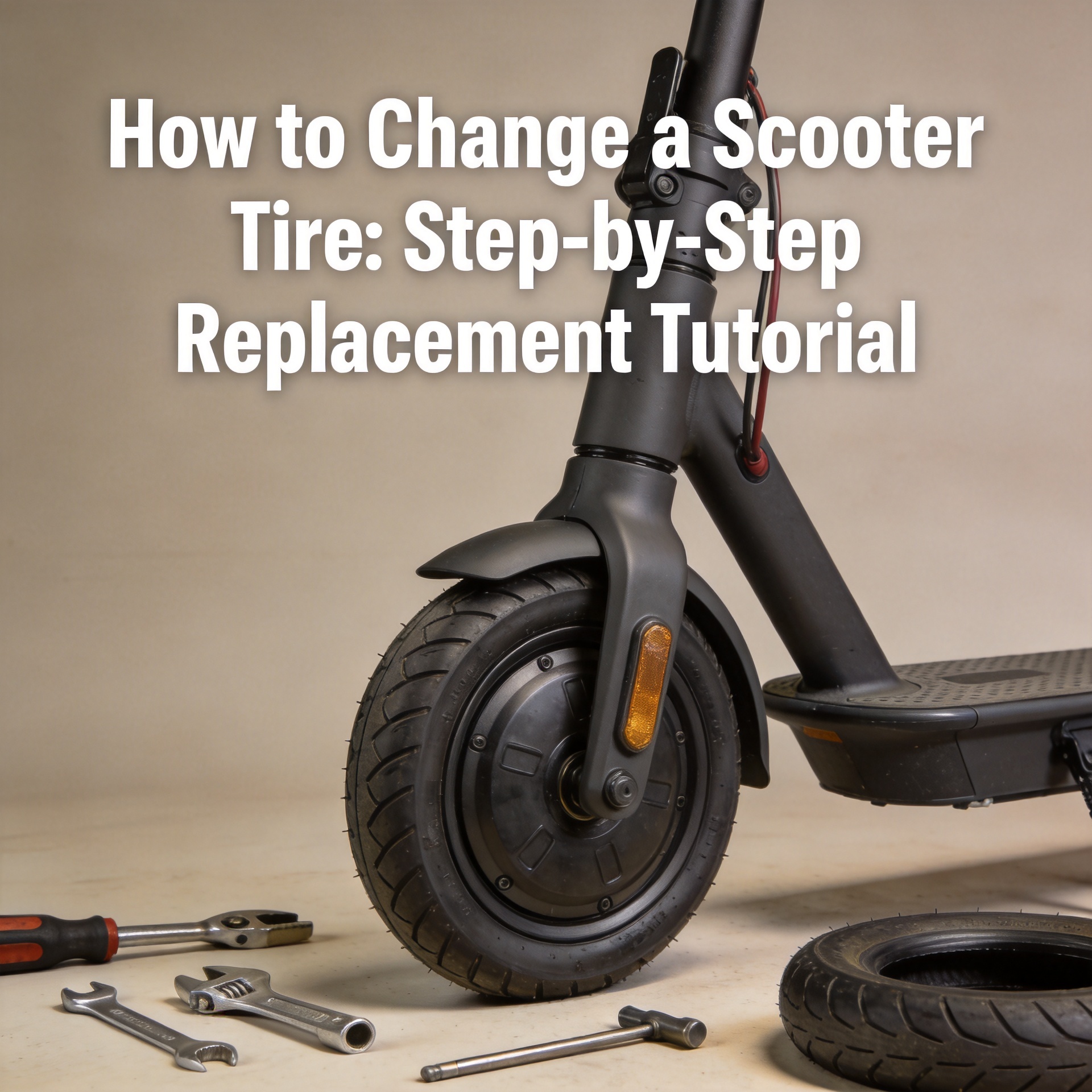
How to Change a Scooter Tire: Step-by-Step Replacement Tutorial
If you run a repair shop or handle after-sales service for electric scooters, knowing how to change a scooter tire quickly and correctly is one of the most common skills your team will use. From my time on the workshop floor, I can tell you that the procedure looks straightforward — but the details matter a lot. Getting the tire bead seated wrong, overtightening an axle nut, or forgetting to disconnect the motor cable before pulling a drive wheel can easily turn a 20-minute job into a much longer one. This tutorial gives repair shop technicians a reliable written reference for how to change a scooter tire from start to finish.
The process applies to a range of electric scooter wheels, including hub-motor rear wheels, front wheels with no motor, solid tires, and pneumatic (air-filled) tires. If you regularly handle Gotrax scooter tire replacement or service other popular models, the steps below map to nearly all common configurations.
Tools You Will Need
Before you change a scooter tire, gather the following tools. Having everything on the bench before you start saves time when you are servicing multiple electric scooter wheels back to back.
- Plastic tire levers (2–3 pieces; avoid metal levers to protect the rim)
- Adjustable wrench or socket set (typically 13–17 mm, depending on scooter model)
- Allen key set (hex keys, for deck screws and some axle designs)
- Pump with pressure gauge (for pneumatic tires)
- Valve core tool (for tubeless or inner-tube tires)
- Soapy water in a spray bottle (lubricates the bead for easier seating)
- Torque wrench (recommended for reinstallation)
- Clean cloth and gloves
One thing worth noting: if a customer brings in a scooter model you have not worked on before, check the axle nut size before you start. I have seen shops spend time hunting for the right socket because they assumed it would be the same as the last job. It often is not.
Step 1: Remove the Wheel Safely
The first step when you change a scooter tire is to shut the scooter off completely. For electric scooter wheels driven by a hub motor, you must disconnect the motor cable before removing the wheel. On most hub-motor designs, there is a cable connector near the axle. Unplug it carefully before loosening anything. Skipping this step risks damaging the controller or motor winding if the wheel is pulled with the connector still under tension.
- Lay the scooter on its side on a clean, stable surface.
- Find the axle nuts or quick-release bolt — the design varies by model.
- Loosen the axle nut counterclockwise. Do not fully remove it yet — hold the wheel in place while you break the initial tension.
- Support the wheel with one hand as you remove the nut completely.
- Slide the wheel off the fork or swing arm and set it on a flat surface.
Step 2: Identify Your Tire Type
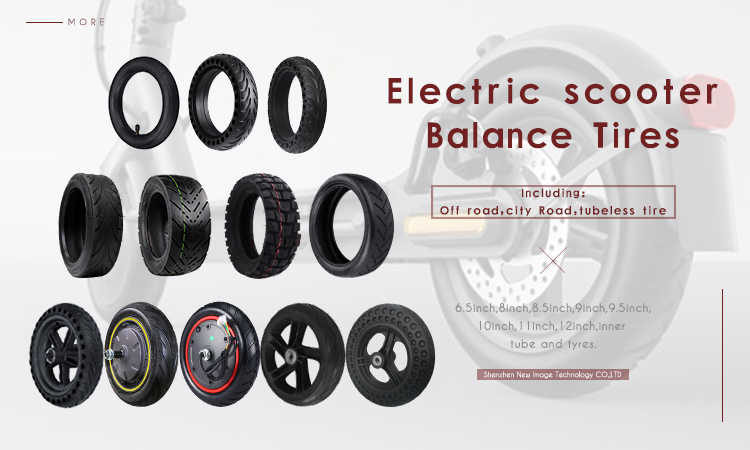
Before you change a scooter tire, confirm which type is installed. Mismatches happen often — especially when stock gets mixed at a busy shop, or a customer brings their own replacement part for Gotrax scooter tire replacement or another brand. On electric scooter wheels, you will find three common tire types:
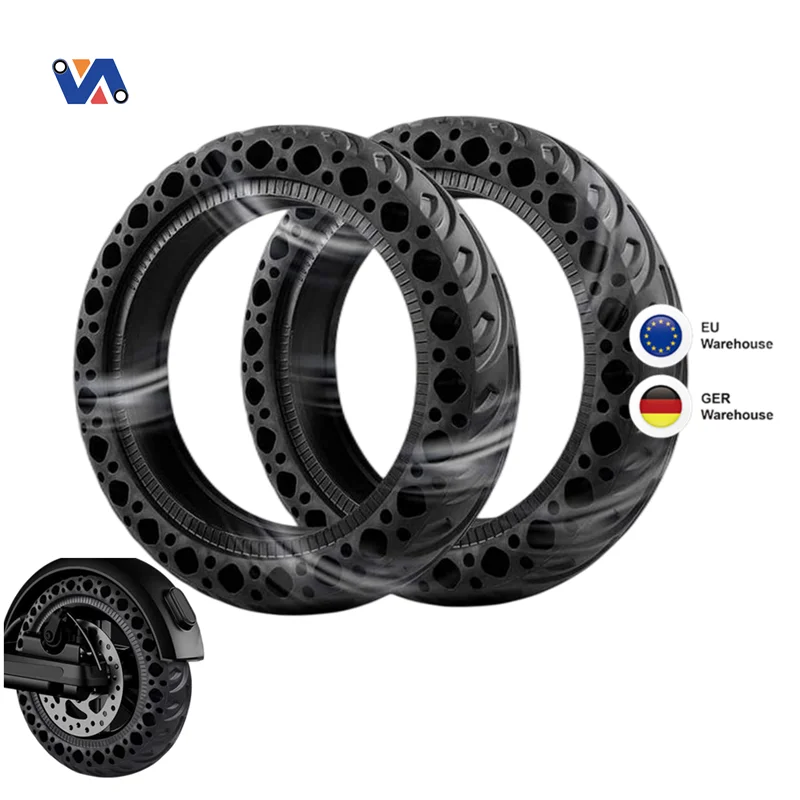
- Solid honeycomb tires: No air valve, rigid structure. Common on entry-level and commuter models such as the Xiaomi M365 and many Gotrax models.
- Pneumatic tires with inner tube: Has an air valve, requires a separate inner tube inside the tire casing. Found on many mid-range scooters.
- Tubeless pneumatic tires: Has an air valve, no inner tube. Requires a sealed rim and tubeless-specific tire. Common on the Ninebot MAX G30, which uses a 60/70-6.5 tire.
Check the sidewall of the removed tire for the size marking. Matching the size exactly — outer diameter, width, and inner diameter — is essential. A few millimeters off in inner diameter can mean the tire will not seat properly on the rim no matter how much force you apply.
Step 3: Replace a Solid Tire
Solid tires require the most physical effort to change a scooter tire, but the process is consistent once you have the technique right.
- Insert two plastic tire levers between the tire bead and the rim on opposite sides of the wheel.
- Lever one side of the bead over the rim edge, working around the circumference in small increments.
- Once one bead is off, pull the tire sideways off the rim.
- To install the new tire, start one bead onto the rim by hand, then use tire levers to work the second bead over the edge. Go in small steps to avoid pinching.
- Inspect the seating all the way around to confirm the bead sits evenly in the rim channel.
For M365 and similar models, the 8.5-inch honeycomb solid tire designed for the Xiaomi M365 Pro is a reliable batch replacement option for shops that regularly service these models.
Step 4: Replace a Pneumatic Tire (Inner Tube)
When you change a scooter tire on a pneumatic model, you manage two components: the outer tire casing and the inner tube. For Gotrax scooter tire replacement and similar mid-range electric scooter wheels, this is the most common configuration.
- Fully deflate the tire by pressing the valve core with the valve tool or a thin object.
- Work both beads off the rim using plastic tire levers. Spray soapy water on the bead area to reduce friction.
- Remove the inner tube by pulling it out from inside the casing.
- Inspect the rim strip and the inside of the tire casing for the cause of the flat — a thorn, pinch point, or sharp rim edge. Address the root cause before installing a new tube.
- Lightly inflate the new inner tube just enough to give it shape, then insert it into the new tire casing.
- Seat one bead onto the rim, tuck the tube inside, then work the second bead over the rim edge by hand as much as possible before using levers for the last section.
- Inflate to the recommended PSI marked on the tire sidewall, checking that the bead seats evenly as pressure builds.
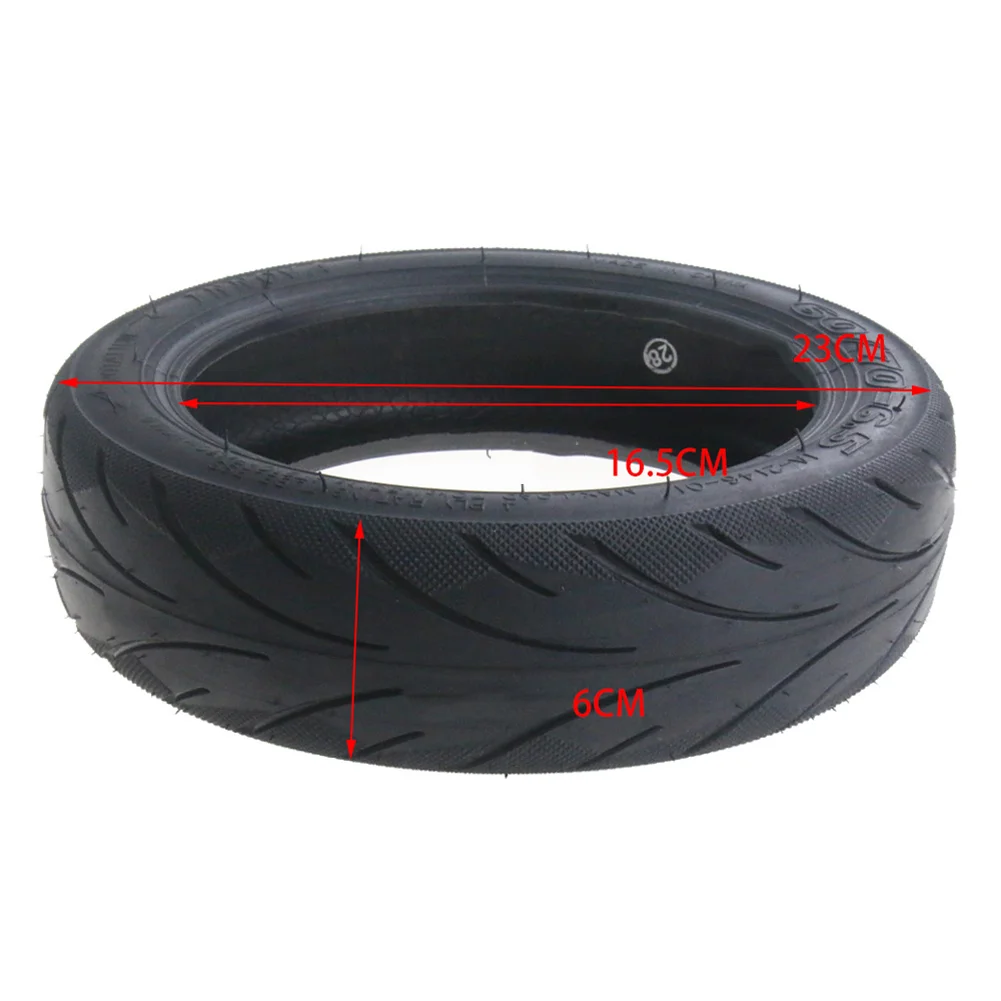
For 10-inch pneumatic tires used on the Ninebot MAX G30 and similar kick scooters, the 10-inch 60/70-6.5 outer tire for MAX G30 is the correct replacement size. Confirm the valve type and rim width before ordering to avoid fitment issues.
Step 5: Reinstall the Wheel
Reinstallation is the final mechanical step each time you change a scooter tire. Getting the axle torque and cable reconnection right matters as much as the tire swap itself.
- Guide the wheel back onto the fork or swing arm, aligning the axle with the dropout slots.
- Thread the axle nut on by hand first, then tighten with a torque wrench. For most electric scooter wheels with axle nuts in the M8–M12 range, a torque of 25–35 Nm is a reasonable general reference. Refer to the manufacturer's service manual for the specific model. Incorrect torque is one of the more common causes of wheel wobble after you change a scooter tire.
- Reconnect the motor cable connector. Make sure it clicks or locks fully into position.
- Give the wheel a spin by hand to check for rubbing, wobble, or brake contact issues.
Final Check Before Returning the Scooter
Before handing the scooter back, run through a quick post-swap check:
- Tire pressure is correct and consistent (for pneumatic tires).
- The wheel rotates freely without rubbing the brake disc or fender.
- The axle nut is torqued, and there is no lateral play in the wheel.
- Motor cable is fully seated and secured away from moving parts.
- Test at low speed before full use.
Each time you change a scooter tire, recommending a compatible replacement based on the actual model and usage pattern builds trust with the customer. A tire that technically fits but has different hardness or sidewall profile can change the ride behavior noticeably — something worth flagging to the customer when the choice is less obvious. For shops sourcing electric scooter wheels and replacement tires in volume, having a reliable supplier for both solid and pneumatic options simplifies inventory management and keeps job times predictable.