EN


How to Choose a Sur-Ron Light Bee Charger: 60V, 67.2V and 10A Specifications
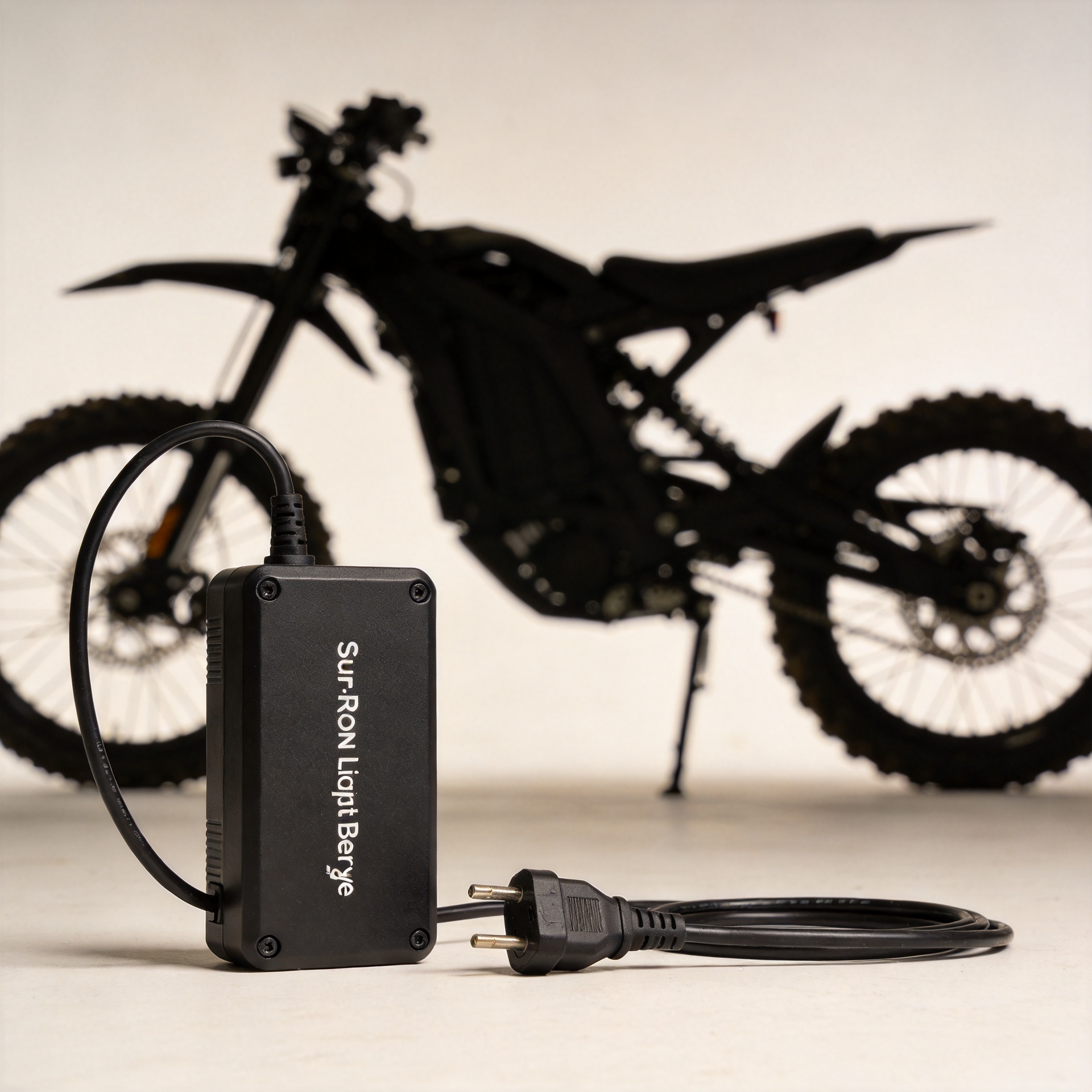
Choosing a sur ron light bee charger is not a matter of matching the biggest number printed on a listing. For overseas parts buyers, the important job is to confirm the battery system, the charger’s actual output, connector compatibility, and the AC input needed in the destination market. A replacement that looks similar can still be wrong if its charge-voltage profile, plug, or polarity does not match the battery and vehicle.
This guide explains how to read 60V, 67.2V, and 10A markings when selecting a sur ron light bee charger. It is written as a procurement check rather than a performance promise: final compatibility should be verified against the battery label, BMS documentation, and the supplier’s drawing or test information.
Start with the battery system, not the charger headline
A 60V description often refers to the nominal voltage of an e-bike battery system. It does not automatically tell you the charger’s final output voltage. Lithium battery packs commonly use a higher full-charge voltage than their nominal label, but the exact target depends on cell chemistry, series count, and the battery-management system. That is why a buyer should not assume that every 60V pack accepts the same charger.
When comparing a sur ron light bee charger, request a clear photo of the existing battery label and compare it with the replacement charger label. Ask the supplier to confirm these items in writing:
- Battery chemistry and nominal pack voltage
- Specified maximum charge voltage
- Required charge connector, pin layout, and polarity
- Whether the charger is intended for the exact Light Bee battery version being replaced
- Any BMS limits or charge-current recommendations provided for that pack
This verification step is more useful than choosing by shape alone. It also reduces the chance of ordering a part that physically plugs in but is electrically unsuitable.
What 67.2V means on a replacement charger
On listings for a sur ron light bee charger, 67.2V is generally presented as the charger output specification to verify against the battery’s approved full-charge voltage. Treat it as a compatibility checkpoint, not as a universal upgrade. A charger with a different output voltage can be unsafe or ineffective for a pack that was not designed for it.
The relationship between nominal voltage and full-charge voltage is a common source of confusion. Conventional lithium-ion cells are often described with a nominal voltage around 3.6V or 3.7V and a higher maximum charging voltage, but packs can use different chemistry and control logic. For that reason, do not derive the final pack voltage from a generic cell rule when ordering. Use the battery maker’s specification or the original charger label as the deciding evidence.
For a replacement order, provide the supplier with photos of both labels where possible. A useful request is: “Please confirm the DC output voltage, charge termination behavior, connector type, and polarity for this battery label.” It creates a more auditable record than a simple request for a 60V charger.
How to assess a 10A charging-current rating
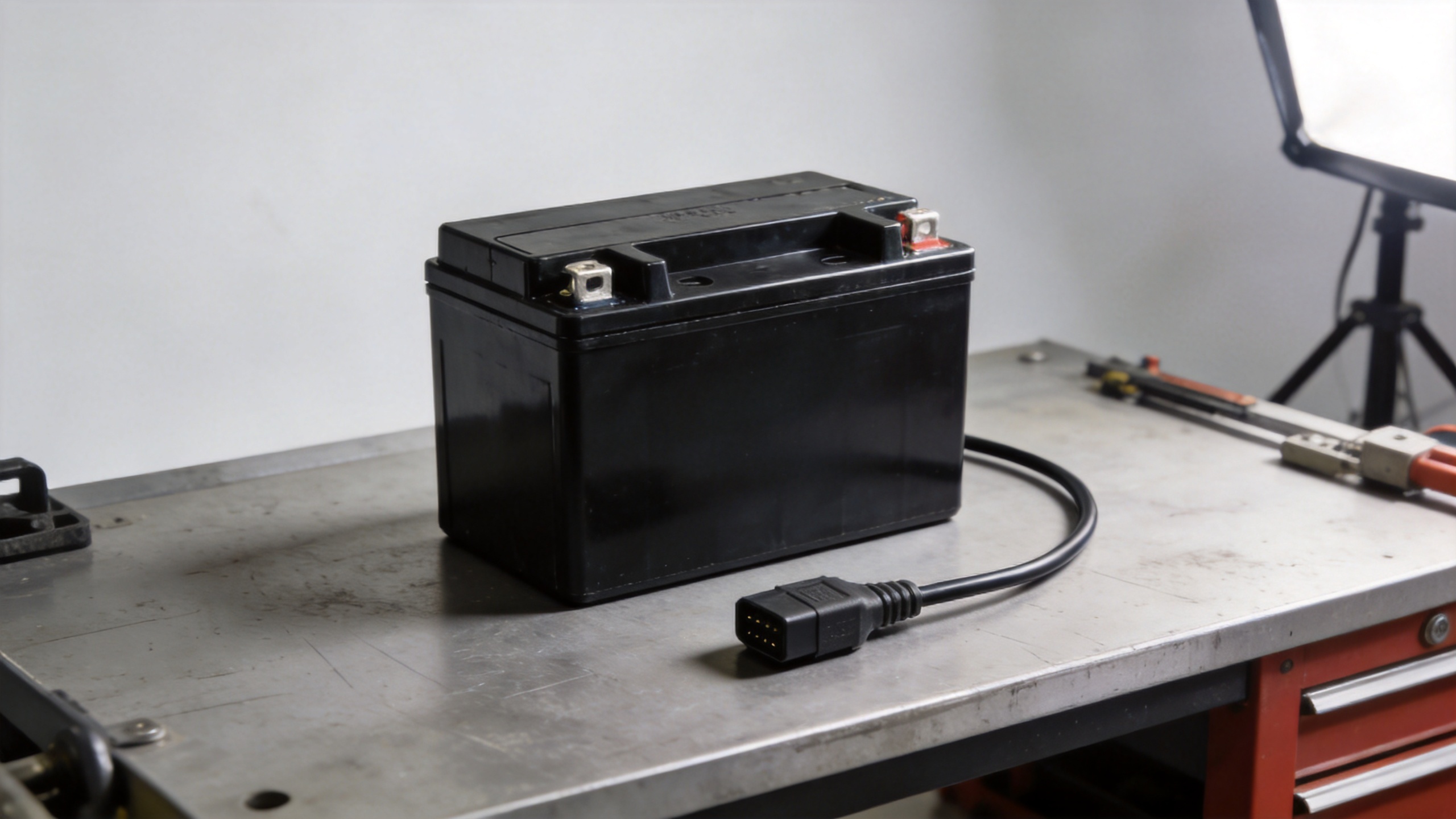
The 10A marking on a sur ron light bee charger refers to charging current, not battery capacity or automatic compatibility. A higher current can reduce charging time only when the battery pack, BMS, wiring, connector, and thermal conditions are approved for that rate. It should not be selected simply because it appears faster.
For distributors and repair shops, a practical approach is to treat 10A as one field in a comparison table. Confirm the specified current with the battery documentation, then ask whether the charger uses appropriate thermal protection, short-circuit protection, and charge-status indication. Avoid describing these features as present unless the supplier confirms them for the exact SKU.
| Specification | What it tells the buyer | What to confirm |
|---|---|---|
| 60V | Usually identifies the nominal battery-system class. | Exact pack version and approved charge profile. |
| 67.2V | May identify the charger’s DC output target. | Battery maximum-charge voltage and BMS requirements. |
| 10A | Indicates the charger’s rated charge current. | Battery, BMS, cable, and connector current acceptance. |
Check the connector, polarity, and AC input before placing an order
Electrical values are only part of the selection. A sur ron light bee charger also needs the correct DC connector and polarity. Ask for a connector photo, dimensions, pin count, and polarity diagram. If the charger has a removable mains cable, confirm the inlet style and the plug required for the destination country.
For export orders, read the AC-input line separately from the DC-output line. A label such as 100–240V AC is commonly used to indicate a broad mains-voltage input range, but buyers should still check the frequency marking, plug type, local regulations, and any market-specific documentation required for their sales channel. Do not assume that a travel plug adapter changes the charger’s electrical approval or suitability.
If you need a product reference for a replacement enquiry, review the Light Bee 60V/67.2V 10A replacement charger listing and submit the vehicle and battery-label details for confirmation before purchase.
A supplier checklist for a more reliable replacement choice
- Share photos of the existing battery label and original charger label.
- Confirm the battery chemistry, nominal voltage, and approved maximum charge voltage.
- Confirm the charger’s DC output voltage and rated current in writing.
- Match the connector style, pin arrangement, polarity, and cable length.
- Verify the AC input range, frequency, mains plug, and destination-market needs.
- Ask which protection functions and charge-status indicators are fitted to the exact item.
- For a first order, consider a sample check before placing a broader replacement-parts order.
For buyers sourcing e-bike and electric-scooter spare parts across different markets, this method helps separate a technically matched replacement from a loosely described alternative. A suitable sur ron light bee charger is the one whose voltage, current, connector, and input requirements are documented for the battery system you actually have.
Questions to send with a replacement enquiry
For a sur ron light bee charger enquiry, send the battery label, original charger label, and connector photo together. Ask whether the proposed sur ron light bee charger has the documented DC output and connector polarity for that exact battery reference.
Next, ask the supplier to state whether the sur ron light bee charger is supplied for the original configuration or for a specifically identified modified battery system. A sur ron light bee charger listing should not be treated as proof of cross-model compatibility without this confirmation.
For service inventory, record the output voltage, rated current, AC input, connector, and supplier confirmation alongside each sur ron light bee charger SKU. This makes it easier to avoid substituting a visually similar sur ron light bee charger when stock changes.
Finally, compare the delivered label with the approved order record. If a sur ron light bee charger differs in output, plug, connector, or polarity, hold it for review rather than installing it. The same label-first process also helps a repair team evaluate any additional sur ron light bee charger replacement request consistently.
Final takeaway
Use 60V, 67.2V, and 10A as a sequence of checks: identify the battery system, verify the approved charger output, then confirm whether the charge current and hardware are acceptable for the exact pack. A 67.2 v 10a charger may be a suitable replacement only after those details match. Clear label photos and written supplier confirmation remain the most dependable way to choose a sur ron light bee charger for a replacement order.