EN


How to Choose Electric Scooter Brake Pads for Replacement
Choosing brake pads electric scooter owners can rely on is less about finding a pad that looks similar and more about confirming how it fits the brake system already on the scooter. For a repair station, distributor, or regular rider, the useful starting point is a simple one: identify the scooter model, inspect the existing pad and caliper, then compare the backing-plate shape before placing an order.
This matters because many replacement parts are visually close but not interchangeable. A pad can sit near the rotor yet still be wrong for the retaining pin, caliper pocket, or pad thickness. The result may be an installation delay, uneven contact, or a brake that needs further inspection before it is used on the road.
Start With Vehicle and Caliper Compatibility
Before comparing materials, collect four details: the scooter model and year, the front or rear brake position, the caliper model or clear photos of it, and a photo of the old pad beside a ruler. If you are ordering stock for several scooter models, label each removed pad with the model and axle position. This small step prevents similar-looking parts from being mixed together.
For example, the New Image electric scooter brake disc pads for Xiaoniu KQ3, KQ3 Pro, and KQ2 kick scooters are identified for those specific models. That model reference is useful, but a buyer should still compare the installed caliper and old pad shape before ordering, especially if the scooter has been repaired previously.
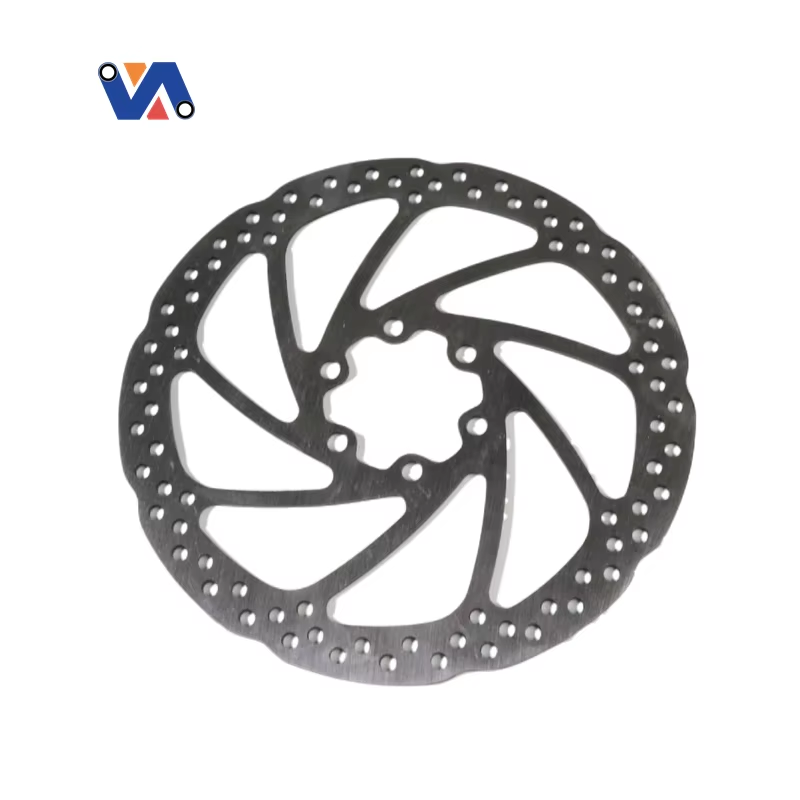
Do not rely on the rotor diameter alone. Rotor size does not tell you the pad outline, the thickness of the backing plate, or the position of the retaining feature. When a product listing says it is suitable for a model family, use that as a first filter and complete the fitment check with the physical brake assembly.
Use the Old Pad as a Fitment Checklist
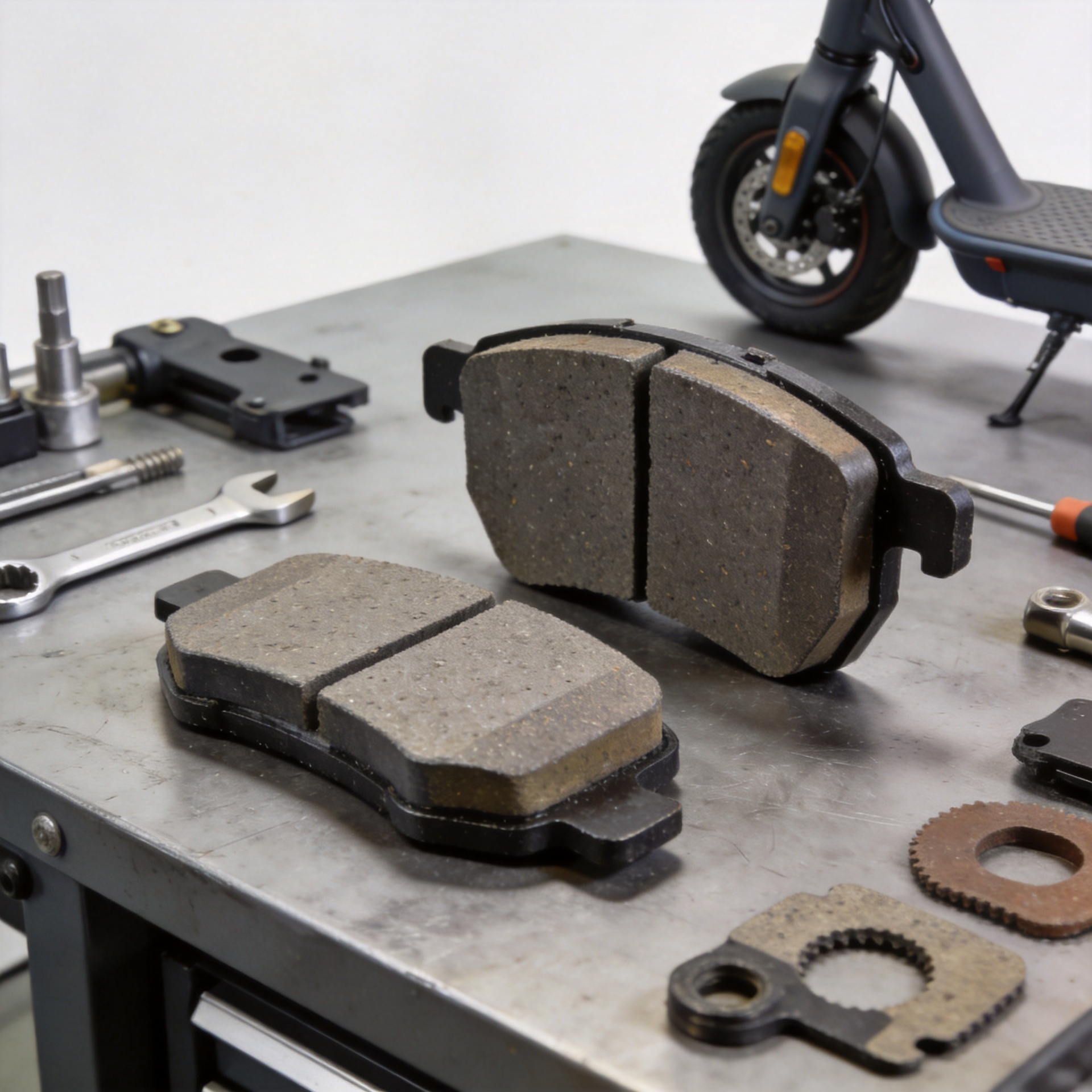
The removed pad is usually the most practical reference. Clean it enough to see the outline, then compare the following points with the proposed replacement:
- Backing-plate outline: Match the overall contour, tabs, hooks, and any holes or slots.
- Retaining method: Confirm whether the caliper uses a pin, spring, clip, or another arrangement, and whether the replacement accepts it.
- Friction-material position: The material needs to align with the rotor’s braking track rather than overhang it.
- Pad thickness and clearance: New pads need adequate space in the caliper after the pistons are reset according to the brake maker’s procedure.
- Front versus rear location: Some scooters use different calipers or pad shapes at the two wheels.
A common purchasing mistake is to treat a generic outline as confirmation. It is not. If one tab is reversed, a pin hole is offset, or the backing plate is thicker, the pad may not seat correctly. When the photos or measurements are unclear, pause the purchase and ask the supplier for a dimensioned drawing or a confirmation based on the caliper and old-pad images.
Know Which Wear Signals Need an Inspection
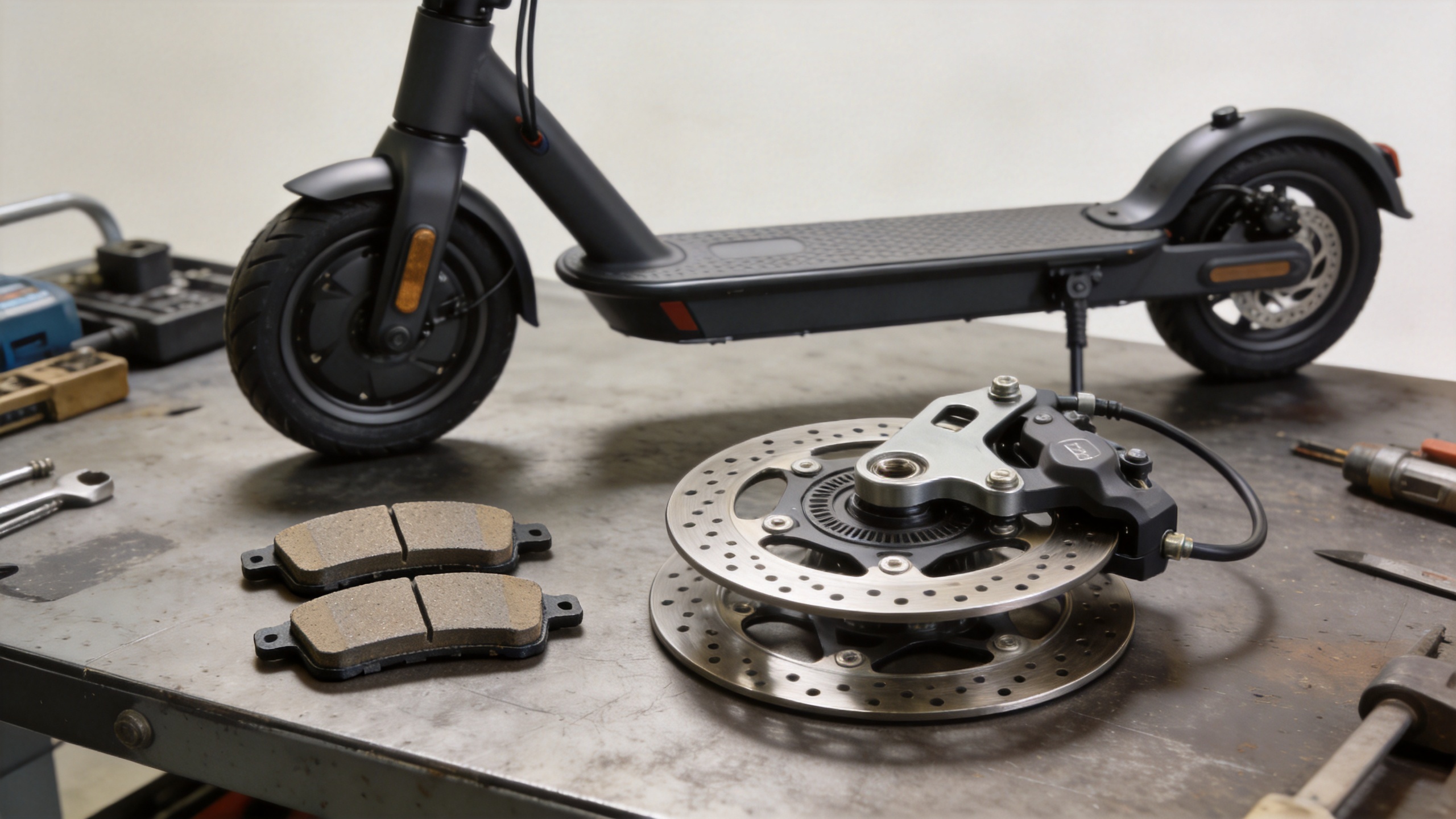
Brake noise, reduced bite, a longer lever pull, vibration, or visible thinning are all reasons to inspect the system. None of them alone proves that the pad is the only issue. Rotor contamination, a loose caliper, misalignment, cable adjustment, hydraulic problems, or worn hardware can produce similar symptoms.
Look at the remaining friction material rather than the full pad thickness, which includes the metal backing plate. General disc-brake service references often use around 0.5 mm of remaining friction material as a point to replace a pad, but the scooter and brake manufacturer’s guidance should take priority. If the wear is uneven, inspect the caliper movement and rotor condition before fitting new parts.
Road conditions also change the maintenance schedule. Frequent braking on steep, wet, gritty, or uneven routes can accelerate wear. A scooter used mainly on smooth urban roads may show a different pattern from one used for delivery work or daily mixed-surface commuting. In other words, replacement timing should follow inspection and riding conditions, not only calendar time.
Choose a Pad Material for the Actual Use Case
Organic/resin, semi-metallic, and metallic or sintered labels describe broad material families, not a universal fit confirmation. First follow the scooter and brake maker’s compatibility guidance. Then weigh your normal riding conditions, noise expectations, rotor condition, and maintenance routine. A pad compound should support a well-maintained brake system; it cannot correct a mismatched pad shape or a damaged rotor.
Inspect the Rotor and Hardware at the Same Time
Installing new pads onto a damaged or contaminated rotor can hide the real cause of a braking complaint. With the wheel secure, check for deep scoring, obvious warping, heavy contamination, loose mounting hardware, and any thickness limit stated on the rotor or in the scooter documentation. Do not use a new pad set to compensate for a rotor that needs its own service decision.
Also check the pad spring, retaining pin, bolts, and caliper fasteners for deformation or wear. If a component is missing, bent, or unclear, use the correct replacement hardware rather than improvising. Brakes are a safety-critical system; when fitment or serviceability is uncertain, a qualified technician should inspect the scooter before it returns to use.
Plan a Careful Replacement and Bedding-In Check
After the correct replacement pads are installed according to the scooter or brake manufacturer’s instructions, spin the wheel and verify that it rotates normally without persistent heavy drag. Operate the brake lever several times to make sure the pads are seated before riding. Then carry out a cautious, controlled bedding-in process in a safe area, using repeated moderate stops rather than an aggressive first stop.
During the first rides, recheck lever feel, rotor noise, pad retention, and fastener security. If the brake pulls to one side, rubs continuously, vibrates strongly, or has an unfamiliar lever feel, stop and inspect it. New brake pads electric scooter systems still depend on correct setup, a clean rotor, and sound caliper hardware.
Fitment Questions to Resolve Before Ordering
- Which brake pads electric scooter model mapping is documented, and do the proposed brake pads for electric scooter match the front or rear caliper?
- Do the brake pads electric scooter backing plates match the removed sample, and do the brake pads for electric scooter accept the existing retaining hardware?
- Are these brake pads electric scooter intended for the installed rotor, and are the brake pads for electric scooter clear of the rotor edge?
- Has the buyer photographed the old brake pads electric scooter set, and can the supplier confirm the same brake pads for electric scooter outline?
- Will the selected brake pads electric scooter compound suit normal routes, and are the brake pads for electric scooter compatible with the brake maker’s guidance?
- Are the current brake pads electric scooter wearing evenly, and should the brake pads for electric scooter purchase include a caliper inspection?
- Do these brake pads electric scooter leave sufficient caliper clearance, and can the brake pads for electric scooter be installed without forcing hardware?
- Is the rotor serviceable for new brake pads electric scooter parts, and will the brake pads for electric scooter be fitted only after contamination is addressed?
- For workshop stock, are brake pads electric scooter labels separated by model, and are brake pads for electric scooter records linked to clear fitment photos?
- Before release, have the brake pads electric scooter been checked for secure retention, and have the brake pads for electric scooter passed a controlled function check?
Use this list as a purchasing prompt rather than as a substitute for the scooter manufacturer’s service documentation. If any fitment detail remains uncertain, pause the installation and seek a qualified inspection. That approach helps match the replacement work to the scooter’s real maintenance needs.