EN
EN


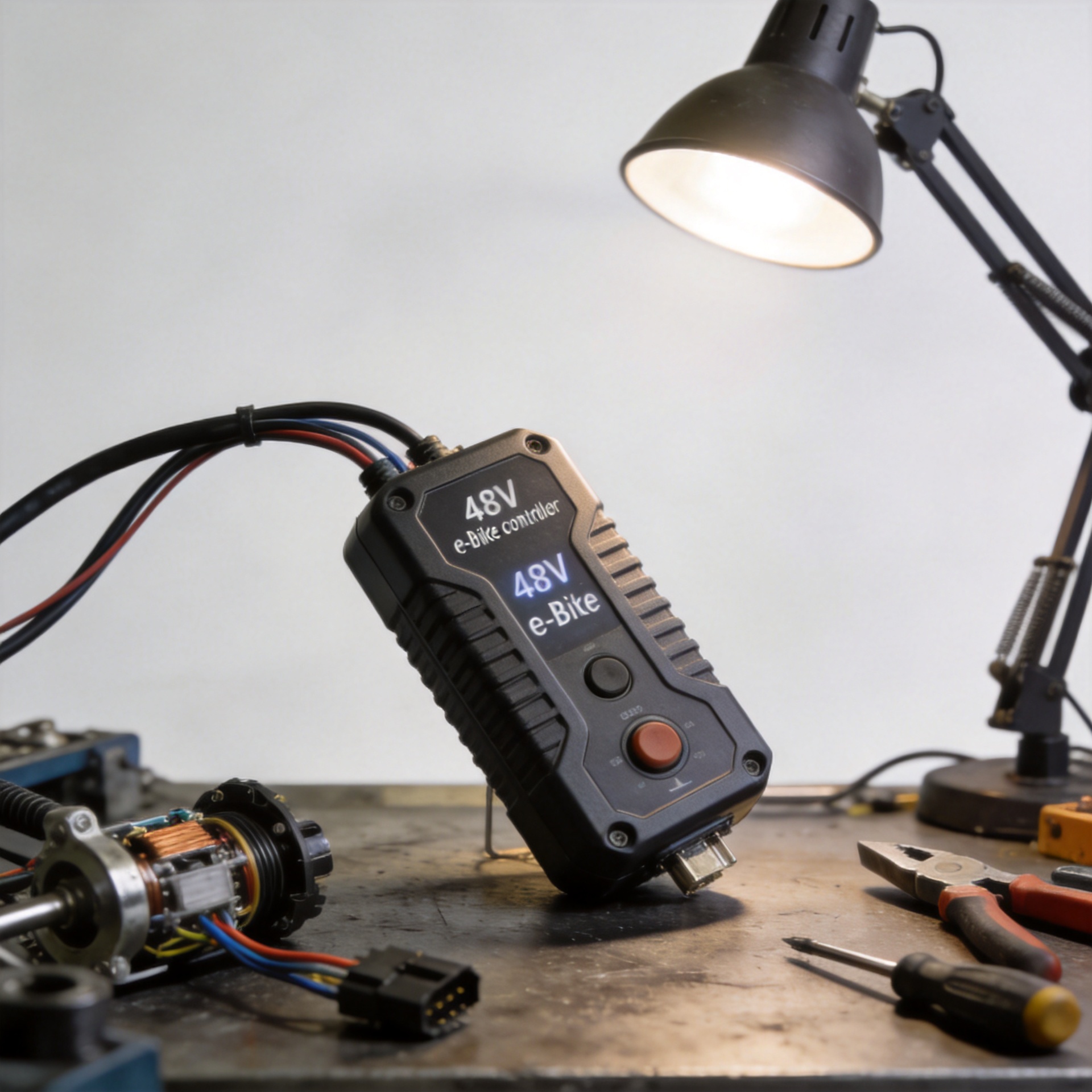
Engwe EP-2 Pro Controller Replacement: Compatibility Questions Answered
Replacing a controller is one of the most common decisions in the electric cycle spares category, but it is also one of the easiest places to make an expensive compatibility mistake. The controller sits between the battery, motor, display, throttle or pedal-assist inputs, and brake cut-offs. A replacement that looks similar can still be wrong if its electrical ratings, connectors, or communication method do not match the bike.
For an Engwe EP-2 Pro repair, begin with the original part rather than a generic listing. The goal is not simply to find a controller that fits inside the frame; it is to confirm that the replacement can work with the existing 48V electrical system and connected components.
Why controller compatibility matters
An e-bike controller interprets rider inputs and manages the power delivered from the battery to the motor. That makes it a system component, not an isolated spare. Battery voltage, motor wiring, display protocol, pedal-assist sensor, throttle, and brake lever cut-off cables can all affect whether a controller works as intended.
In repair work, a familiar mistake is to treat the printed current figure as the whole answer. It is not. A controller may have a suitable voltage and still fail to connect correctly, show error messages, or behave unpredictably because the plug layout or display communication is different. For electric cycle spares, matching the application is more useful than matching one number on a label.
Start with the original controller label
Before ordering, photograph the existing controller label and every connector. Record the model reference, nominal voltage, current rating, wire count, connector style, and the labels printed on each lead. If the old controller has been removed already, use the bike wiring harness, display reference, and product documentation to rebuild that list before selecting a replacement.
- Voltage: The controller must match the battery system voltage. A 48V EP-2 Pro system calls for a controller designed for that voltage class.
- Current rating: Compare the stated continuous or limited current with the original application. Higher is not automatically better because it may change heat load and system behavior.
- Motor connection: Check phase-wire count, hall-sensor connector type, pin order, and wire colors. Colors are helpful clues, not proof of identical pinout.
- Low-voltage wiring: Verify the display, PAS, throttle, brake cut-off, lamp, and battery leads one by one.
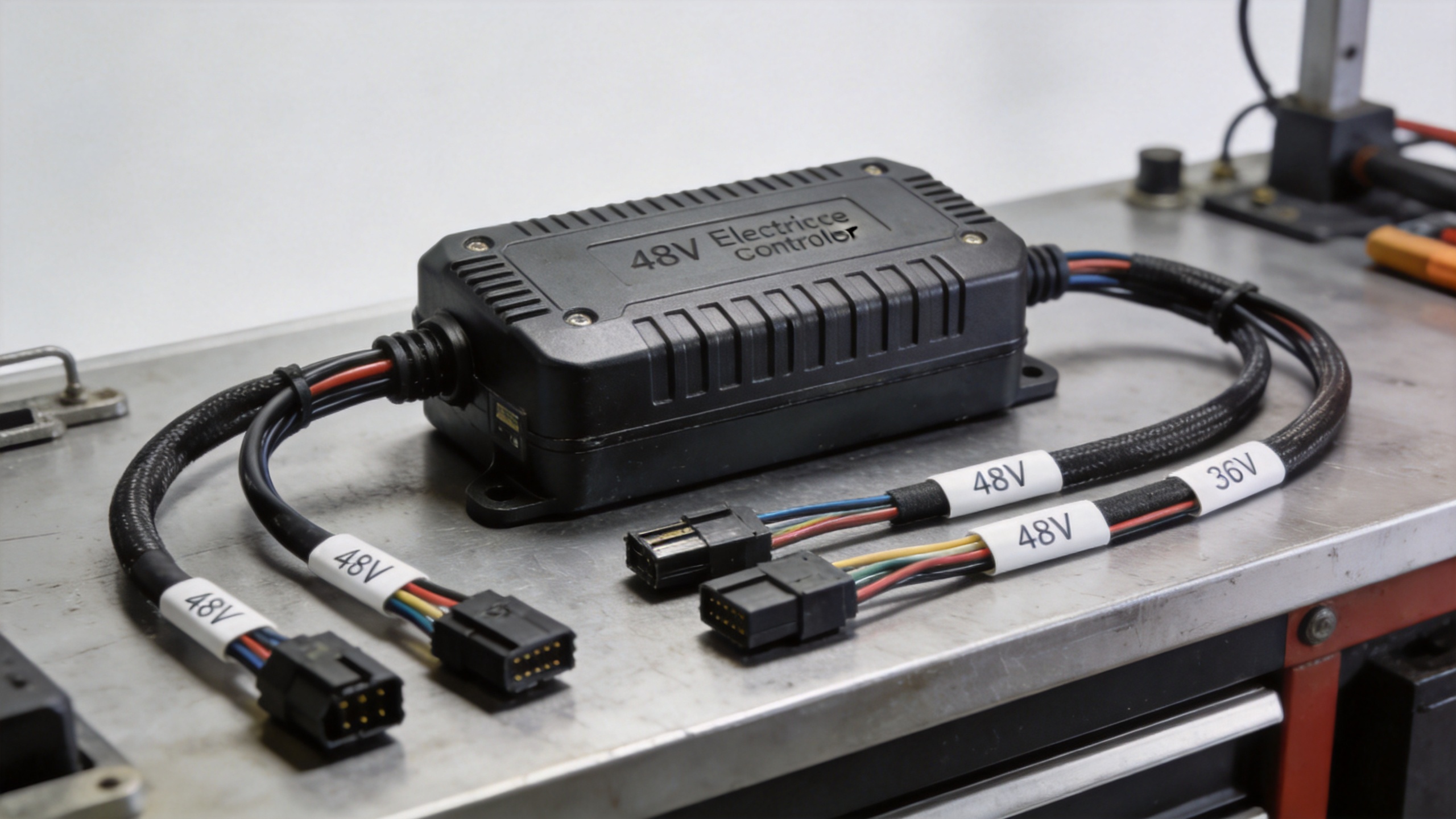
Does a 48V 18A replacement solve the problem?
A 48V 18A reference is useful only when it agrees with the original bike configuration. It tells you where to begin checking, not that every 48V 18A controller is interchangeable. Cable length, plug gender, waterproof connector keying, and the display protocol can still prevent a successful installation.
For a model-specific starting point, review the Engwe EP-2 Pro 48V 18A controller replacement alongside the information recorded from the original unit. Confirm the final configuration with the supplier before installation, especially when the bicycle has had prior repairs or a display upgrade.
Connector questions to answer before you buy
Connector compatibility deserves as much attention as voltage. Two plugs can look alike in a product image yet use different pin assignments, locking keys, or waterproof seals. Do not force a plug together or cut and splice wires merely to make connectors fit. That can create a short circuit, damage a display, or make later fault diagnosis much harder.
Use a simple comparison sheet: place the old controller on one side and the candidate replacement on the other. For every lead, note its function, connector shape, pin count, keying, and label. If any connection cannot be identified with confidence, pause the replacement process and seek technical confirmation. This approach is slower than a guess, but it prevents a small electric cycle spares purchase from becoming a wider electrical repair.
Display and firmware: the hidden compatibility issue
Many e-bike systems use a display-to-controller communication arrangement that is specific to a model or component family. A controller can power on while the display still shows an error, fails to select assist levels, or does not report speed correctly. The display plug may fit while the underlying signal arrangement does not.
Ask whether the replacement is intended for the EP-2 Pro configuration and whether it is supplied for the existing display version. Do the same for throttle and pedal-assist inputs. These questions are especially important for service shops and resellers handling mixed batches of electric cycle spares, where similar-looking components may belong to different revisions.
A safer replacement and test sequence
- Switch off the bike and disconnect or isolate the battery according to the manufacturer’s service guidance.
- Photograph each connector before unplugging it, including wire routing and strain-relief positions.
- Compare the original and replacement labels, connector inventory, and mounting dimensions.
- Connect only matching, identified plugs. Keep wires clear of moving parts and sharp frame edges.
- Perform an initial powered check with the drive wheel safely off the ground, if the bike’s service procedure permits it.
- Test display response, brake cut-off operation, pedal assist, and throttle behavior before a road test.
- Stop immediately if there is an error code, unexpected motor response, heat, smell, or damaged insulation.
When the fault is uncertain, controller replacement should not be the first assumption. Inspect battery terminals, cable damage, water ingress, brake switches, display connections, and motor wiring first. A structured diagnosis avoids replacing a working part while the original issue remains elsewhere in the system.
FAQ
Are electric cycle spares interchangeable? Not necessarily. Electric cycle spares should be selected by bike model, electrical specification, connector layout, and the components already installed.
Which electric cycle spares details should be compared first? For controller-related electric cycle spares, start with voltage, current reference, motor connection, display plug, and battery connector.
Can electric cycle spares share the same plug but use different wiring? Yes. Electric cycle spares can look similar while using a different pin assignment, so a visual match alone is not enough.
Should a workshop keep records for electric cycle spares? Yes. Photos, labels, and connector notes make future electric cycle spares checks more accurate and reduce avoidable returns.
Do generic electric cycle spares work for every 48V bike? No. A 48V label narrows the search, but generic electric cycle spares still need a complete compatibility check.
What should buyers ask a supplier about electric cycle spares? Ask whether the electric cycle spares are intended for the exact bike configuration, display version, and wiring arrangement.
Are electric cycle spares safe to install without testing? A controlled pre-ride test is important for electric cycle spares that affect propulsion, braking signals, or battery power delivery.
When should electric cycle spares be returned rather than modified? If connectors or functions do not match, do not splice electric cycle spares to force an installation; confirm the correct part instead.
Can electric cycle spares be selected from photographs alone? Photographs help identify electric cycle spares, but labels, connector details, and application information are needed for a reliable match.
Why do electric cycle spares need battery-voltage checks? Electric cycle spares that manage power must suit the battery system voltage to avoid a mismatched electrical setup.
Can a technician test electric cycle spares before a road ride? Yes. A controlled inspection helps verify electric cycle spares before normal use, provided the bike’s service procedure is followed.
Should distributors separate electric cycle spares by model? Clear model and connector records help distributors identify electric cycle spares correctly and answer compatibility questions consistently.
What if the display does not respond after fitting electric cycle spares? Recheck the display plug and communication compatibility; electric cycle spares may be physically similar without sharing the same signal arrangement.
Choosing electric cycle spares with fewer returns
For riders, workshops, and parts buyers, the most reliable selection process is evidence-led: identify the bike version, document the original component, compare every electrical interface, and confirm the intended application before placing the order. This is more dependable than choosing from a broad voltage label alone.
The practical answer to Engwe EP-2 Pro controller compatibility is therefore specific: use a replacement intended for the relevant 48V system, verify its current reference against the original part, and confirm every motor, display, sensor, brake, and battery connection. Careful matching keeps an electric cycle spares repair focused, safer, and easier to support after installation.