EN
EN


What Are Airless Bike Tires? Technology, Advantages, and Use Cases for Scooters
If you've spent any time sourcing parts for electric scooters, you've probably come across the term "airless bike tires" — and wondered whether the technology is actually worth recommending to your customers. The short answer is: for certain use cases, it very much is. But understanding why starts with knowing what makes these tires fundamentally different from the pneumatic tires most riders are used to.
What Are Airless Bike Tires?
Airless bike tires — also called solid tyres or non-pneumatic tires — contain no air. Instead of an inner tube or tubeless air chamber, they rely on solid rubber or a structured internal design to support the wheel load and absorb road vibration. Because there is no air pressure to maintain, these tires are puncture-proof by design. Nails, glass, thorns, or rough urban pavement simply cannot cause flats. That single characteristic drives most of the commercial interest from fleet operators, distributors, and high-volume retailers sourcing scooter parts.
How the Technology Works
Traditional pneumatic tires rely on pressurized air to carry the load and cushion the ride. Remove the air — whether through a puncture or a slow leak — and the tire fails immediately. Airless designs replace that air column with material structure. In the electric scooter parts market, two dominant constructions are available:
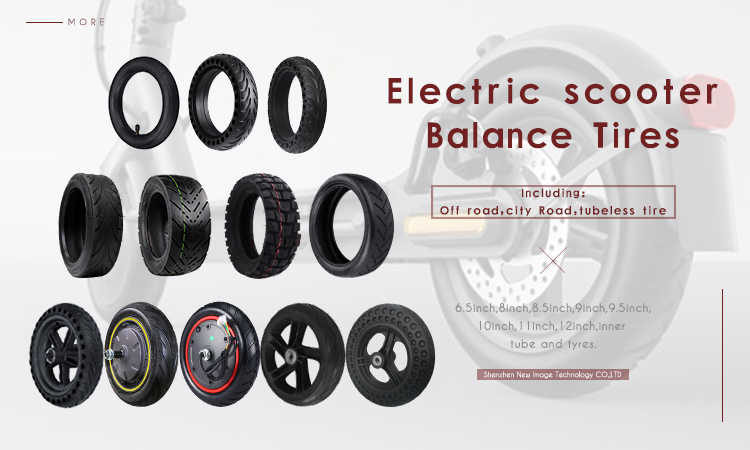
- Solid hollow construction: A rubber tire built around a hollow center channel. The cavity provides a degree of shock absorption while keeping overall weight lower than a fully solid tire. This format is a direct, reliable replacement for standard pneumatic tires on compatible scooter models. The 10 Inch Solid Hollow Tire for Ninebot MAX G30 follows this design, built to the 60/70-6.5 specification for front and rear wheel fitment on the G30 platform.
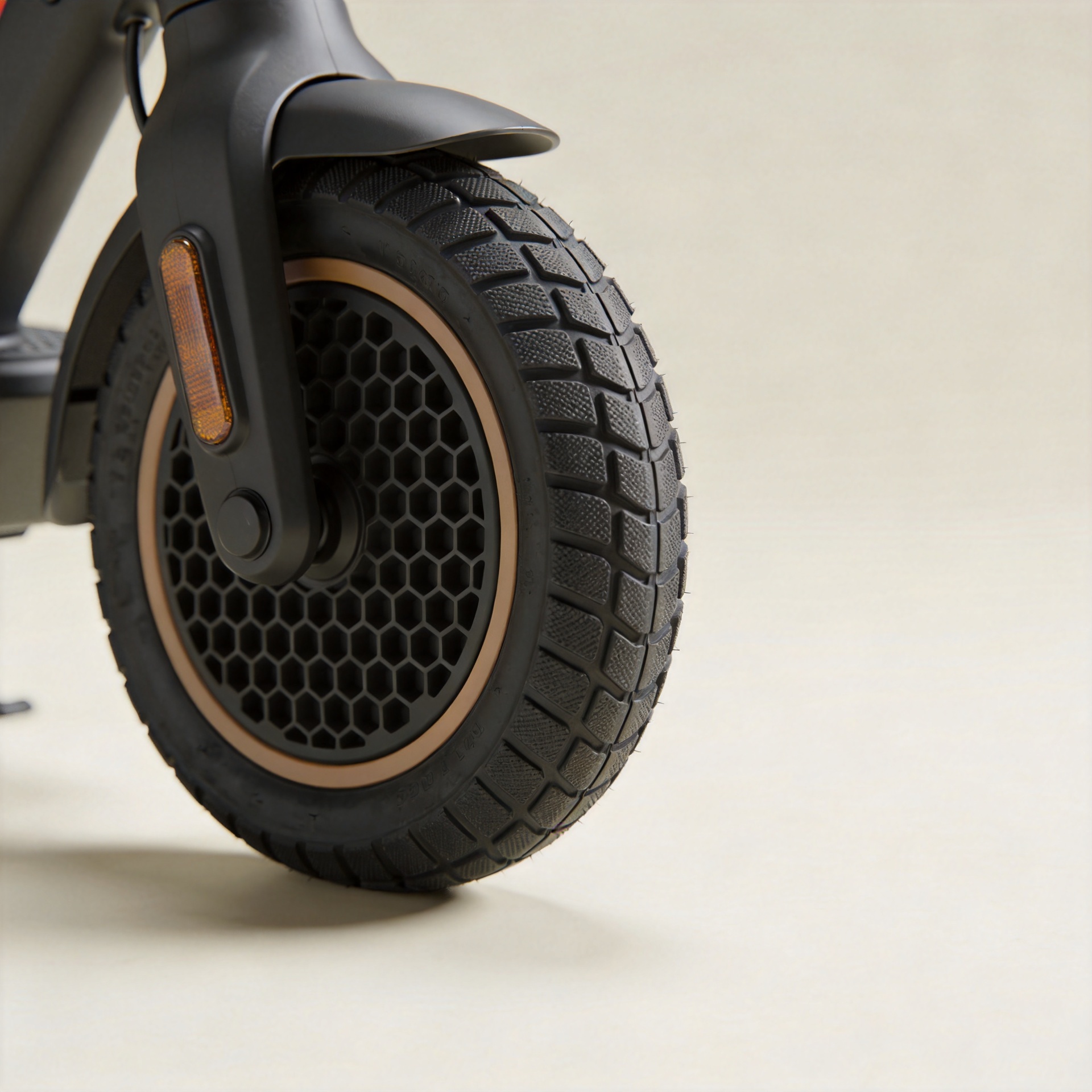
- Honeycomb construction: The internal space is replaced by a geometric grid of interconnected rubber cells. This structure flexes under load, distributing impact energy more evenly and delivering better ride compliance than single-cavity hollow designs. The 10 Inch Honeycomb Solid Tyre for MAX G30/G30D uses this approach, offering a more responsive feel across varying road conditions.

Both eliminate the risk of flats entirely. The internal structure is what determines ride comfort, weight, and durability under sustained load — and the difference matters when your customers are choosing between the two.
Airless vs Pneumatic: What Actually Changes for Scooters
The comparison is not as one-sided as some product descriptions suggest. A few factors are genuinely different and worth understanding before making a purchasing recommendation:
| Feature | Pneumatic Tires | Airless Tires (Solid Tyres) |
|---|---|---|
| Puncture risk | Present — tube or valve can fail | Zero — no air to lose |
| Maintenance | Pressure checks, tube replacements required | Essentially maintenance-free |
| Ride comfort | Better on rough surfaces at correct pressure | Firmer — varies by internal construction |
| Total cost over time | Higher — consumables and labor | Lower — no tubes, valves, or inflation service |
| Ideal use case | Performance riding, varied terrain | Urban commuting, fleet operations, rental/shared use |
The trade-off is real: airless bike tires ride firmer. On smooth city pavement, the difference is minor. On potholed roads or at higher speeds, the reduced cushioning becomes more noticeable. That said, honeycomb designs close this gap considerably compared to older solid rubber constructions — and that distinction matters for end-customer satisfaction.
Key Advantages for Electric Scooter Applications
For the electric scooter market specifically, several advantages stand out when evaluating airless tires for wholesale inventory:
- Zero flat incidents: In rental fleet or last-mile delivery operations, a single flat takes a vehicle out of service immediately. Airless tires eliminate this failure mode entirely — an operational benefit that often justifies the modestly higher unit cost in commercial settings.
- Lower total maintenance cost: Industry sources consistently point to solid tyres carrying lower overall upkeep costs than pneumatic alternatives across the tire's service life — not just in avoided tube replacements but in reduced service labor. Shared micromobility operators have widely adopted airless designs specifically to maximize vehicle uptime and minimize maintenance complexity.
- Simplified inventory management: For distributors, stocking airless tires means fewer supporting SKUs. There is no need to match tube sizes, valve types, or pressure ratings across different scooter models.
- Extended service life: High-quality airless tires are built for sustained durability under daily urban use. Leading systems in the broader non-pneumatic segment have demonstrated lifespans of up to 10,000 kilometers under normal riding conditions — a number that makes the long-term cost case concretely.

Where Airless Tires Make the Most Sense
Not every rider or operator needs airless bike tires. But several use cases consistently benefit from the technology:
- Urban commuter scooters used primarily on paved city surfaces, where ride quality is secondary to reliability and low operating cost.
- Rental and shared fleet operators who need vehicles in service with minimal intervention. Keeping each unit in service longer is a real cost factor at any meaningful fleet size.
- Repair shops and service centers that want to reduce return visits from customers dealing with repeated punctures — a common friction point in high-use urban markets.
- Wholesale buyers and distributors stocking upgrade parts for popular scooter models. Compatibility-confirmed solid tyres for specific platforms simplify the sales process and reduce the risk of customer returns from incorrect fitment.
For buyers focused on the Ninebot MAX G30 specifically, both the hollow and honeycomb 10-inch formats are engineered to the correct dimensional specifications (10×2.5 / 60/70-6.5). The practical choice between them comes down to the end user's priority: the hollow construction offers a slightly lighter profile, while the honeycomb design provides better road compliance and vibration absorption in everyday use.
Setting the Right Expectations with Your Customers
One thing worth communicating clearly when selling airless tires: they are not a pneumatic-equivalent experience. The ride feel is firmer — that is a design characteristic, not a defect. Setting accurate expectations at the point of sale reduces returns and improves long-term customer satisfaction. For distributors and B2B buyers, pairing the product with clear compatibility information and honest performance context is what builds repeat business.
Customers who buy the right tire for their use case come back. Those who expect an identical feel to a pneumatic tire sometimes do not.
Summary
Airless bike tires represent proven, practical technology for electric scooters operating in urban environments, rental fleets, and commercial applications. The core value proposition — zero punctures, minimal maintenance, lower total operating cost — is clear and well-supported by real-world adoption across shared mobility platforms. The technology trade-off, a firmer ride, is real but manageable, particularly with modern honeycomb constructions that improve on older solid rubber designs.
If you are sourcing solid tyres for the Ninebot MAX G30 or evaluating non-pneumatic options for your scooter parts inventory, both hollow and honeycomb formats are available through New Image's wholesale supply line for direct inquiry and volume pricing.