EN
EN


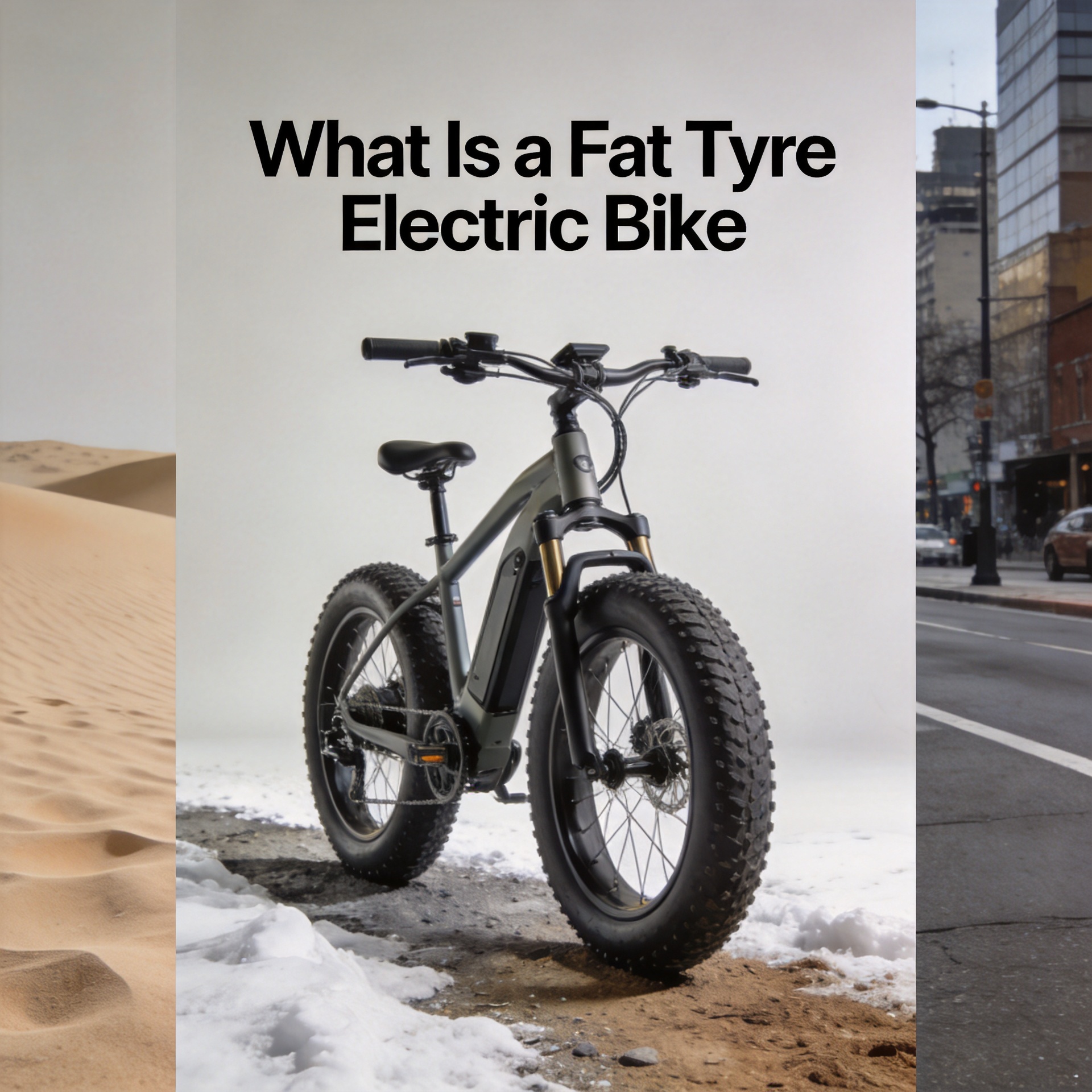
What Is a Fat Tyre Electric Bike? Features, Benefits, and Market Demand in 2026
From a wholesale distributor's perspective, one of the most consistent questions coming from retail partners in 2026 concerns the fat tyre electric bike category — what exactly these bikes are, why consumer demand keeps climbing, and where the real supply-chain opportunities sit. If you source e-bike components or are evaluating whether to add fat tyre inventory to your catalogue, this guide covers the foundations you need to make that decision confidently.
Defining the Fat Tyre Electric Bike: What Sets It Apart
A fat tyre electric bike is an electrically assisted bicycle built around oversized tyres — typically 4 inches wide or greater, compared to the 1.75–2.5-inch tyres found on conventional e-bikes. This wider rubber, combined with a motorised drivetrain, fundamentally changes how the bike interacts with terrain, distributes rider weight, and absorbs shock.
The term fat bike e bike (also written as fat tyre ebike) describes the same category, with minor regional spelling variation. In North American markets, "fat tire" is the dominant spelling; across the UK and Europe, "fat tyre" is standard. Both refer to the same product with shared technical characteristics and an increasingly unified global supply chain.
The oversized tyre is not a cosmetic feature. At lower air pressures — typically 5 to 15 PSI versus 30–60 PSI for standard e-bike tyres — a fat tyre deforms to create a much larger contact patch with the ground. That footprint is what generates traction on unstable terrain: sand, snow, mud, and loose gravel.
Core Technical Features of a Fat Tyre E-Bike
For distributors working directly with manufacturers or sourcing replacement parts, understanding the standard technical profile helps when assessing supplier capability and determining which SKUs to stock:
- Tyre width: The widely accepted fat tyre threshold starts at 3.8 inches; the 4.0-inch width is the most produced and sourced size at wholesale volumes. Some adventure-oriented models use 4.8-inch or wider tyres for maximum float on snow or sand.
- Motor configuration: Rear hub motors dominate the fat tyre electric bike category. EU street-legal configurations cap at 250W continuous rated power; North American and off-road models frequently run 500W–750W motors, with peak outputs exceeding 1,000W in performance-oriented builds.
- Range: Mainstream fat tyre e-bikes in current production deliver between 40 and 85 miles per charge at moderate assist levels. The larger frame geometry on fat tyre models often accommodates higher-capacity battery packs, partially offsetting the additional rolling resistance from wider rubber.
- Axle and clearance specifications: Fat tyre frames require wider fork clearance and rear axle spacing — typically a 100mm front quick-release or thru-axle, and a 135–197mm rear axle. This affects compatibility requirements for hub motor replacements, a key consideration for service-network distributors.
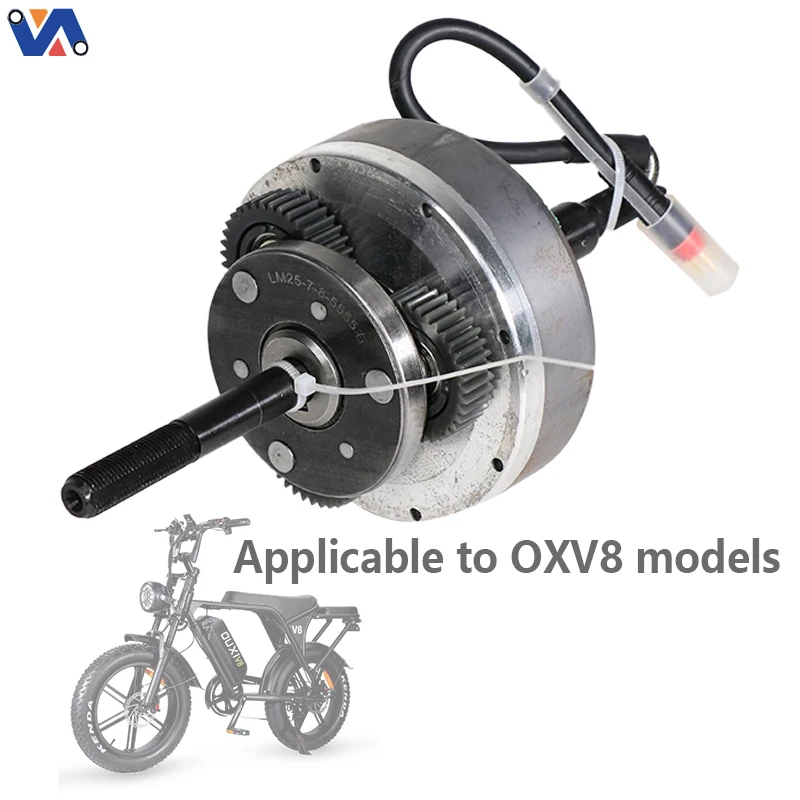
Hub motor quality and fitment compatibility are central to the wholesale parts conversation. Street-legal 250W replacement units such as the 250W Hub Motor Replacement OXV8-39C represent the type of drop-in components that service workshops and parts distributors need to maintain in stock as the fat tyre electric bike installed base grows in European and North American markets. For smaller-wheel fat tyre formats, components like the 16-Inch Rear Motor Wheel OXV8-27F with integrated temperature control address the specific requirements of compact fat tyre models increasingly popular in urban markets.
All-Terrain Advantages: Why Fat Tyres Outperform Standard E-Bikes Across Multiple Surfaces
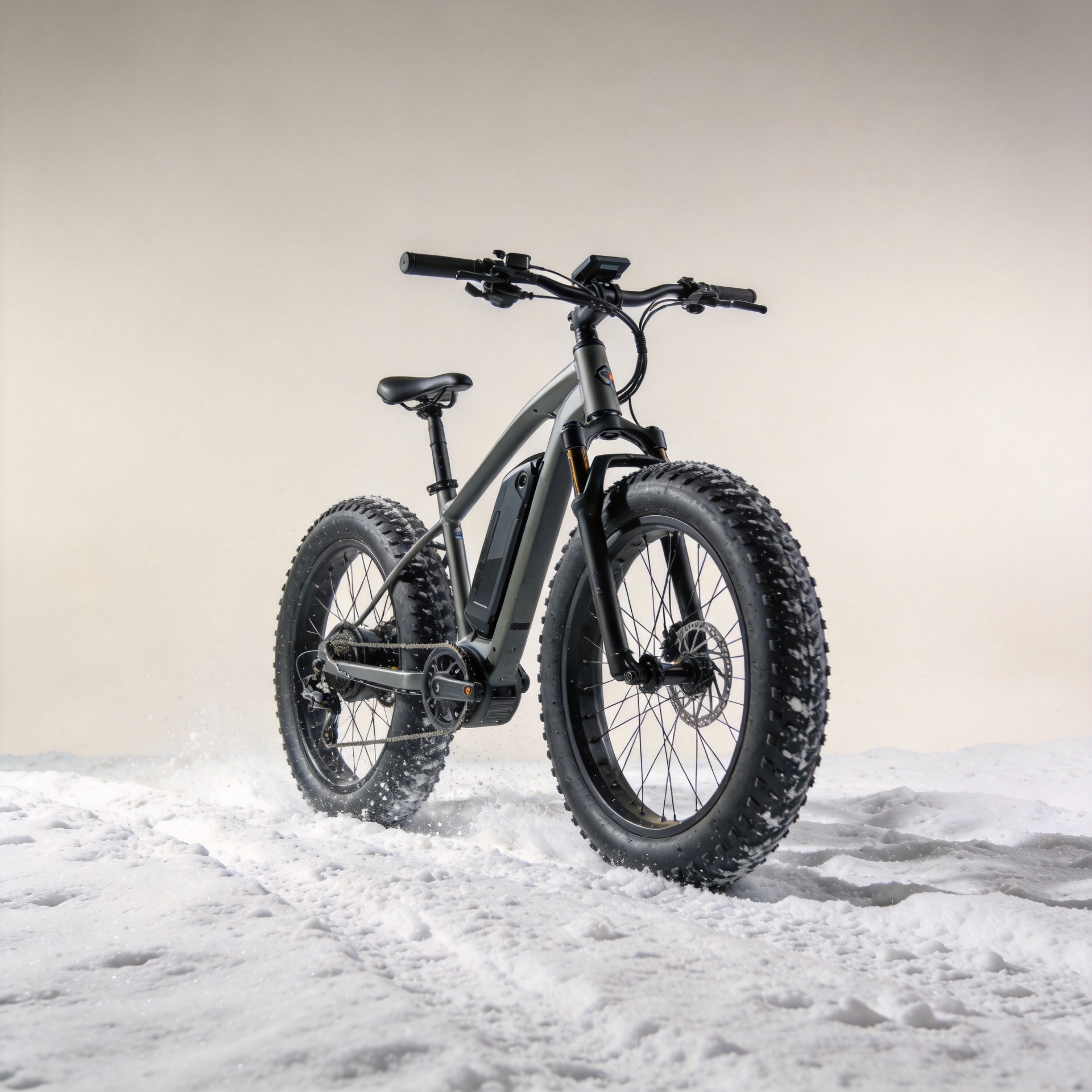
The commercial appeal of the fat tyre electric bike is grounded in genuine all-terrain performance. Where a conventional e-bike is largely limited to paved or compacted surfaces, a fat tyre ebike handles:
- Sand: The wide, low-pressure contact patch prevents the tyre from sinking and allows effective propulsion on beach or desert terrain — a major driver of demand in coastal and resort markets.
- Snow and ice: In Scandinavian, northern European, and Canadian markets, fat tyre e-bikes have become a credible year-round commuting option. At reduced PSI, the tyre deformation creates grip comparable to dedicated winter tyres, without requiring a full drivetrain swap.
- Gravel and trail riding: The category overlaps with the rapidly growing gravel cycling segment. Riders wanting electric assist on mixed-surface routes, without juggling multiple bikes, find fat tyre formats the most practical single option.
- Urban commuting: The cushioning effect of a 4-inch tyre running at low pressure absorbs road irregularities across most city surfaces, eliminating the need for suspension components and simplifying the mechanical profile of the bike. The electric motor compensates for the modest increase in rolling resistance compared to narrower tyres.
For distributors serving markets with seasonal riding limitations — Northern Europe, Scandinavia, Canada, and high-altitude regions — the multi-season usability of a fat bike e bike meaningfully extends the annual sales window compared to standard e-bike formats, which see demand fall sharply in autumn and winter.
Fat Tyre Electric Bike Market Demand in 2026: What Wholesale Buyers Should Know
This segment's expansion is supported by market research. The global fat tyre electric bike market was valued at approximately USD 2.82 billion in 2025 and is projected to reach USD 6.0 billion by 2035, representing a compound annual growth rate of 7.8%. Within the broader e-bike expansion, the fat tyre segment is growing its share as consumers increasingly prioritise versatility and year-round usability over a single-surface optimised design.
Regional demand signals are particularly relevant for wholesale planning. In the United States and Canada, fat tyre electric bikes continue to track ahead of broader e-bike category growth, driven by outdoor recreation adoption and the year-round commuting case already outlined. In European markets, distributor interest in the fat tyre format is rising as urban infrastructure investment and multi-terrain demand converge.
One recurring pattern across markets is that retailers and service workshops consistently underestimate replacement parts demand at the category's early growth stage. Once the installed base reaches a threshold in a given market, parts volumes — particularly tyres, hub motors, and drivetrain components — scale rapidly. Wholesale distributors who establish sourcing channels ahead of that inflection point are in a structurally stronger position than those who respond reactively to end-customer demand.
The Wholesale Perspective: Parts, Accessories, and Category Entry Points
For distributors focused on the supply chain rather than complete bike imports, the fat tyre electric bike creates specific parts stocking requirements that are distinct from standard e-bike inventory:
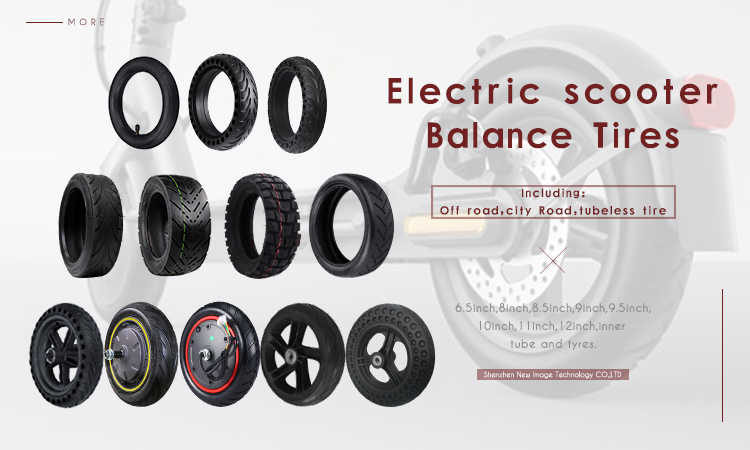
- Fat tyres (3.8–4.8 inch): A wider SKU range by wheel diameter, tread pattern, and compound; fat tyre packaging and dimensional requirements also differ from standard tyre logistics, which matters for cross-border freight cost modelling.
- Hub motors: Rear hub motors are the dominant drivetrain on fat tyre e-bikes. 250W covers EU street-legal requirements; 500W–750W serves North American and off-road demand. Replacement volumes follow the age profile of the installed base in each territory.
- Batteries and chargers: Larger frames and higher-capacity batteries on fat tyre models mean charger specifications frequently differ from standard e-bike lines — requiring separate stock management and supplier verification.
- Brake components: The greater mass of fat tyre e-bikes (commonly 55–75 lbs / 25–34 kg) combined with off-road use profiles generates higher brake wear rates compared to urban e-bikes, increasing replacement frequency and stock turnover.
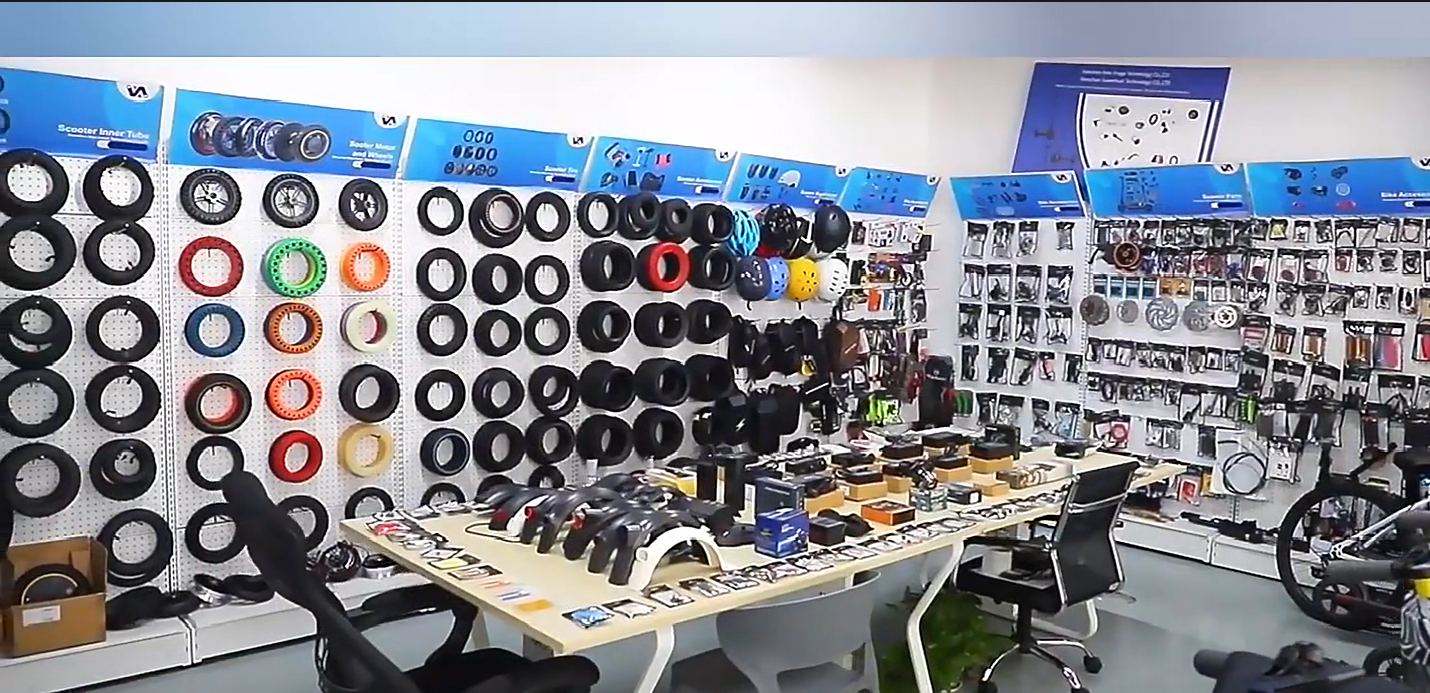
New Image supplies e-bike and electric scooter components — including hub motors, tyres, chargers, and riding accessories — to wholesale distributors across Europe, North America, Oceania, and South America. Technical specifications and available product ranges are listed at newimageparts.com.
Key Takeaways for Wholesale Distributors Evaluating This Category
The fat tyre electric bike is not a niche product or a passing trend. Its all-terrain capability, year-round usability across climates, and consistent demand growth position it as a durable category within the global e-bike market. For wholesale distributors, the value opportunity spans both complete-bike imports and the parts and accessories supply chain that scales with the installed base. Building an accurate understanding of the technical profile, regional demand patterns, and replacement parts requirements of the fat tyre electric bike now provides the foundation for effective sourcing decisions through 2026 and into the years ahead.