EN


Bike Brake Discs: A Fitment Guide for Replacement Buyers
Replacing bike brake discs looks simple until a new rotor reaches the workshop and does not match the hub, caliper, or adapter already on the bike. For distributors, repair buyers, and fleet-maintenance teams, the useful question is not which rotor is suitable in a catalog. It is whether the replacement will fit the complete braking system without creating an avoidable installation problem.
This guide sets out a repeatable way to assess bike brake discs before ordering. It is designed for replacement purchasing, where accurate compatibility information matters more than a broad claim about stopping power. Start with the existing setup, confirm the interface and dimensions, then check that the chosen rotor works with the current caliper and mount.
Start with the four fitment checks
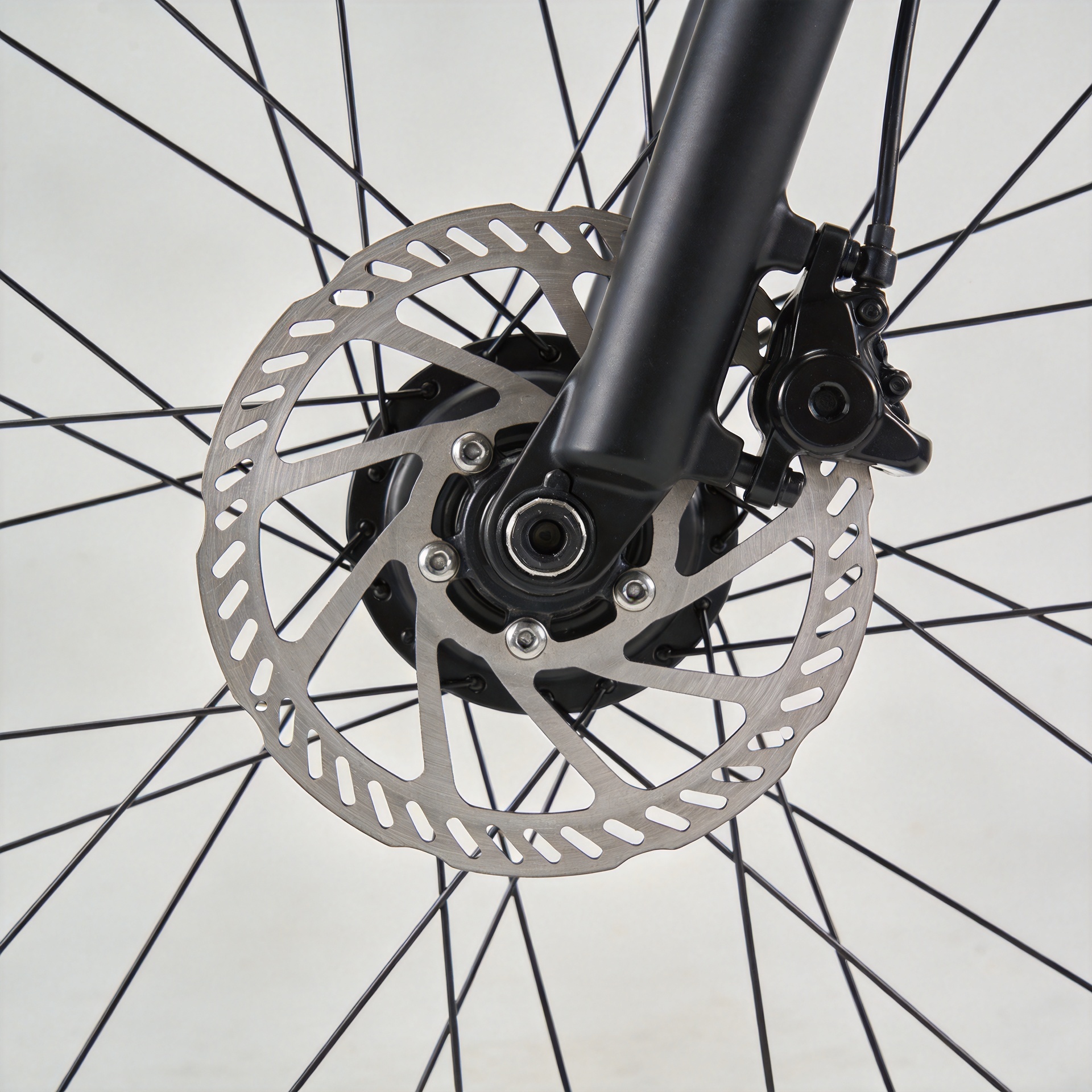
Before comparing materials, cutouts, or price, document four points from the bicycle or service record: hub mounting standard, rotor diameter, rotor thickness, and caliper/mount configuration. These checks should be completed together because changing one element can affect the others.
- Mounting interface: identify whether the hub uses a 6-bolt pattern or a Center Lock interface. A rotor must match the hub directly, or use an adapter only where the hub and supplier documentation permit it.
- Diameter: measure the installed rotor or read the marking. Common replacement sizes include 140 mm, 160 mm, 180 mm, and larger options. The caliper position and any adapter must be correct for that diameter.
- Thickness: compare the old rotor’s specified thickness with the new part and confirm that the caliper and pads have sufficient clearance. A rotor that is the right diameter can still be unsuitable if its brake track is too thick or too thin for the system.
- Caliper and frame clearance: inspect the caliper body, fork, frame, bolts, and spokes. The rotating disc needs clear space through its full travel.
A buyer who only matches the outer diameter can miss the details that stop installation. In replacement purchasing, fitment is a system check rather than a single dimension check.
Choose the right rotor diameter, including an 180mm rotor
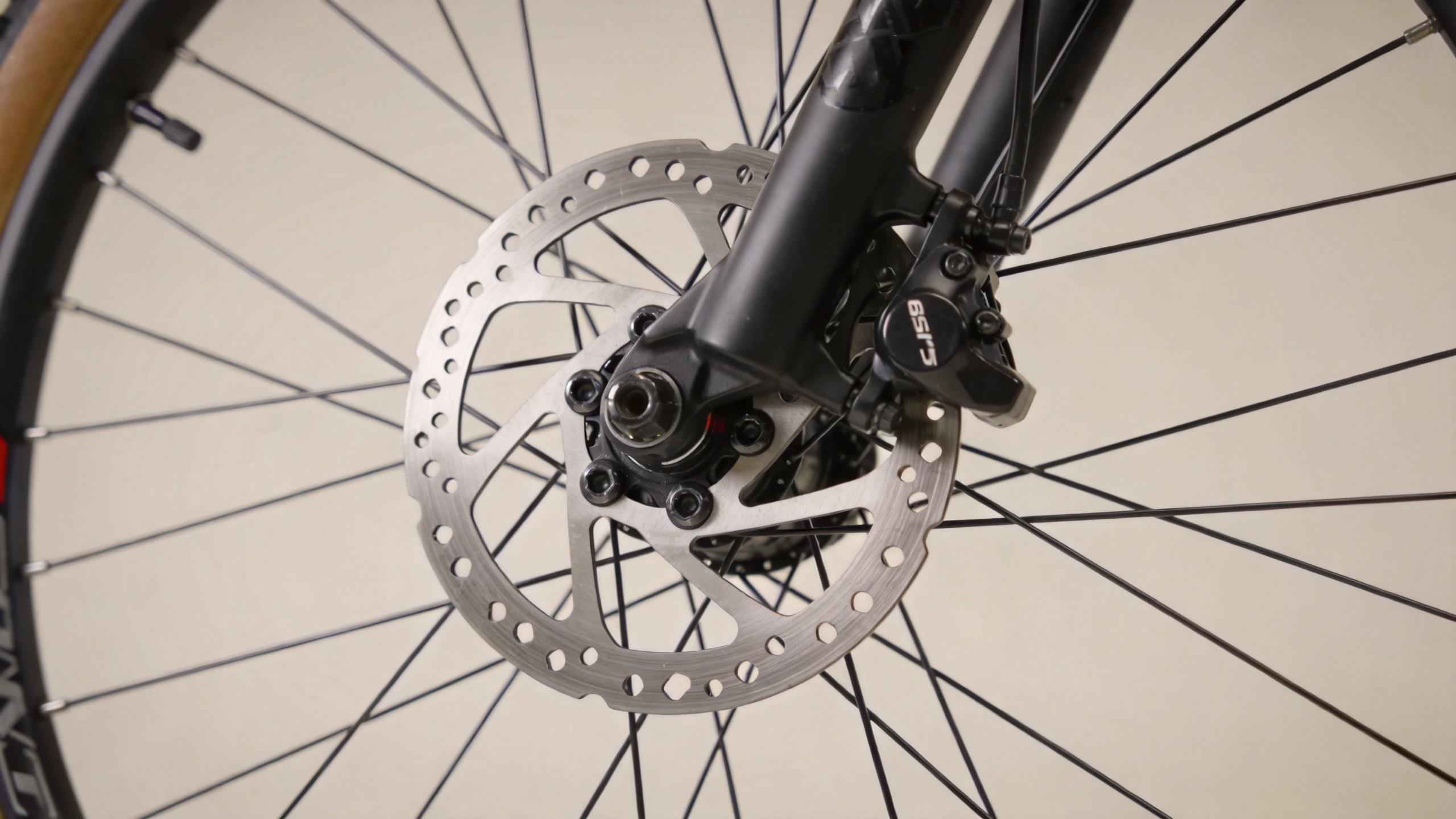
Rotor diameter changes the braking system’s leverage and heat capacity, but it also changes the caliper’s required position. An 180mm rotor may be suitable for a specific bicycle build, but it is not a universal upgrade from 160 mm. If the original configuration uses another size, the buyer must verify whether the existing caliper adapter supports the change and whether the frame or fork manufacturer permits it.
As a practical reference, bicycle rotor ranges commonly run from about 140 mm to 203 mm. Product families can offer different sizes across road, gravel, mountain, and e-bike applications. That range explains why a catalog filter by diameter is helpful, but it should not be the final compatibility decision.
| Check | What to record | Why it matters |
|---|---|---|
| Current diameter | Marking or measured outer diameter | Sets the required caliper position |
| Desired diameter | Same-size replacement or approved change | Determines whether an adapter is needed |
| Brake use | Commuting, cargo, off-road, or fleet duty | Helps specify heat-management needs without overriding fitment |
| Hardware | Rotor bolts, lockring, and adapter availability | Prevents a complete rotor from becoming an incomplete installation |
If a buyer is standardizing stock, it is often more useful to group bike brake discs by verified wheel/hub and caliper configurations than to group only by the most frequently requested size.
6-bolt and Center Lock: confirm the hub before purchasing
The mount is the first hard stop in the procurement process. A 6-bolt rotor fastens with six bolts around the hub flange. A Center Lock rotor uses a splined hub interface and lockring. They are not interchangeable as bare parts, so the purchase order should state the hub interface instead of using “disc rotor” as the complete description.
For service buyers, inspect the wheel rather than relying on a rider’s recollection of the old part. A photographed hub, the original SKU, and a measured rotor are useful records. If an adapter is being considered, confirm the exact direction of compatibility, hardware requirements, and clearance before including it in a replacement kit.
Check the rotor’s brake track and caliper clearance
Bike brake discs must pass cleanly through the caliper with the wheel seated correctly. The brake track shape, rotor thickness, and carrier profile can affect that clearance. This is especially important when replacing worn parts on mixed fleets, where seemingly similar bicycles may use different brakes, adapters, or generations of components.
A cautious process is to compare the replacement specification with the existing rotor, then make a dry fit before tightening hardware. Spin the wheel, inspect the full rotation, and follow the brake manufacturer’s bedding-in and torque instructions. Do not treat a new rotor as ready for use until the caliper has been aligned and the system has been checked under the appropriate workshop procedure.
Build a replacement order that is easy to verify
For repeat purchasing, turn the compatibility check into a short line-item template. Include bike model or wheel specification, front or rear position, mount standard, diameter, rotor thickness where specified, caliper/adaptor details, and required hardware. This gives the supplier enough information to support a compatibility conversation and gives the receiving team a way to inspect incoming stock.
- Use the installed rotor marking and hub photos as the primary reference.
- List front and rear positions separately; they may not use the same diameter.
- Request the mounting hardware or lockring status explicitly.
- Keep replacement bike brake discs separate from brake-pad selections unless both items have been checked as a system.
- For an 180mm rotor, record the required adapter and clearance confirmation in the same order line.
Many buyers initially focus on unit cost, but an incorrect rotor creates a larger cost in return handling, workshop time, and delayed service. A documented fitment record is usually the more reliable way to protect the total cost of replacement supply.
A product reference for 6-bolt replacement projects
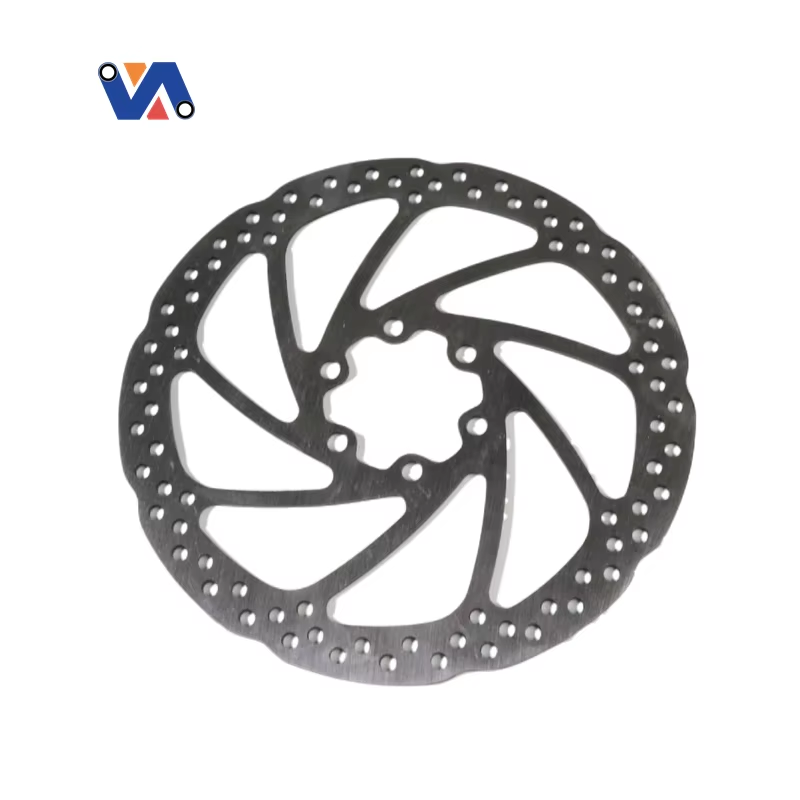
Where a 6-bolt rotor is required, buyers can review the dimensions and ordering details of the NEW IMAGE 140mm to 203mm Bike Disc Brake Rotor with 6 Bolts. Confirm the bicycle’s actual hub interface, diameter, caliper position, and clearance before selecting a listed size. The product title identifies the diameter range and 6-bolt mount; it does not replace a bike-specific compatibility check.
Final pre-order checklist
Before releasing a purchase order for bike brake discs, verify: the hub mount, current rotor diameter, required replacement diameter, caliper adapter, brake-track thickness specification, available clearance, and included hardware. Then confirm the information against the bike or wheel being serviced. That sequence is straightforward, repeatable, and far more dependable than ordering by appearance alone.
For buyers handling electric bicycle parts or mixed replacement inventories, a supplier that can help organize those compatibility details can reduce avoidable reorders. New Image supplies electric bicycle and scooter parts and can support pre-sales compatibility discussions using the configuration information you provide.
Replacement questions buyers should settle before approval
Are bike brake discs specified by size alone?
No. Bike brake discs should be specified by hub mount, diameter, thickness, and caliper position. When a buyer compares bike brake discs across catalogs, the old rotor and wheel build remain the most direct reference. A buyer should also identify whether the replacement bike brake discs are for the front or rear because the original sizes can differ.
When should an 180mm rotor be ordered?
An 180mm rotor should be ordered only when the bike configuration, caliper adapter, and clearance support an 180mm rotor. Do not substitute an 180mm rotor for a 160 mm part solely because an 180mm rotor is available. The correct 180mm rotor order also identifies the required mount and hardware.
Can buyers standardize bike brake discs for stock?
Yes, but standardize verified configurations rather than a generic rotor. A practical stock record pairs bike brake discs with the hub interface, position, diameter, and caliper mount. This lets a warehouse separate bike brake discs that look alike but fit different wheel systems.
What should an 180mm rotor order include?
An 180mm rotor order should identify the rotor mount and confirm whether bolts, a lockring, or an adapter are included. For an 180mm rotor replacement, record the existing caliper adapter and confirm clearance before shipment. These checks make an 180mm rotor a controlled replacement choice rather than an assumed upgrade.
What information should a supplier receive?
Send clear hub photos, the old rotor marking, intended wheel position, and the required size. This information enables a supplier to discuss bike brake discs in the context of the complete system. It also helps the receiving team verify bike brake discs before the parts enter service inventory.