EN
EN


E-Bike Lights: Front Headlight vs Rear Tail Light Replacement Guide
When a lamp stops working, it is tempting to search for e bike lights, order the first replacement that looks close, and fit it later. That approach causes avoidable returns. A front headlight and a rear tail light do different jobs, sit in different places, and may use different brackets, connectors, or wiring routes. Before replacing either part, identify what failed and confirm that the replacement matches the bike rather than merely resembling the old lamp.
From a repair-counter perspective, the most useful question is not “Which e bike lights are brightest?” It is “Which light is this bike designed to power and mount?” That distinction matters especially for wired systems, where connector shape, output rating, polarity, and cable length can matter as much as the lamp body.
Front headlight and rear tail light: different jobs
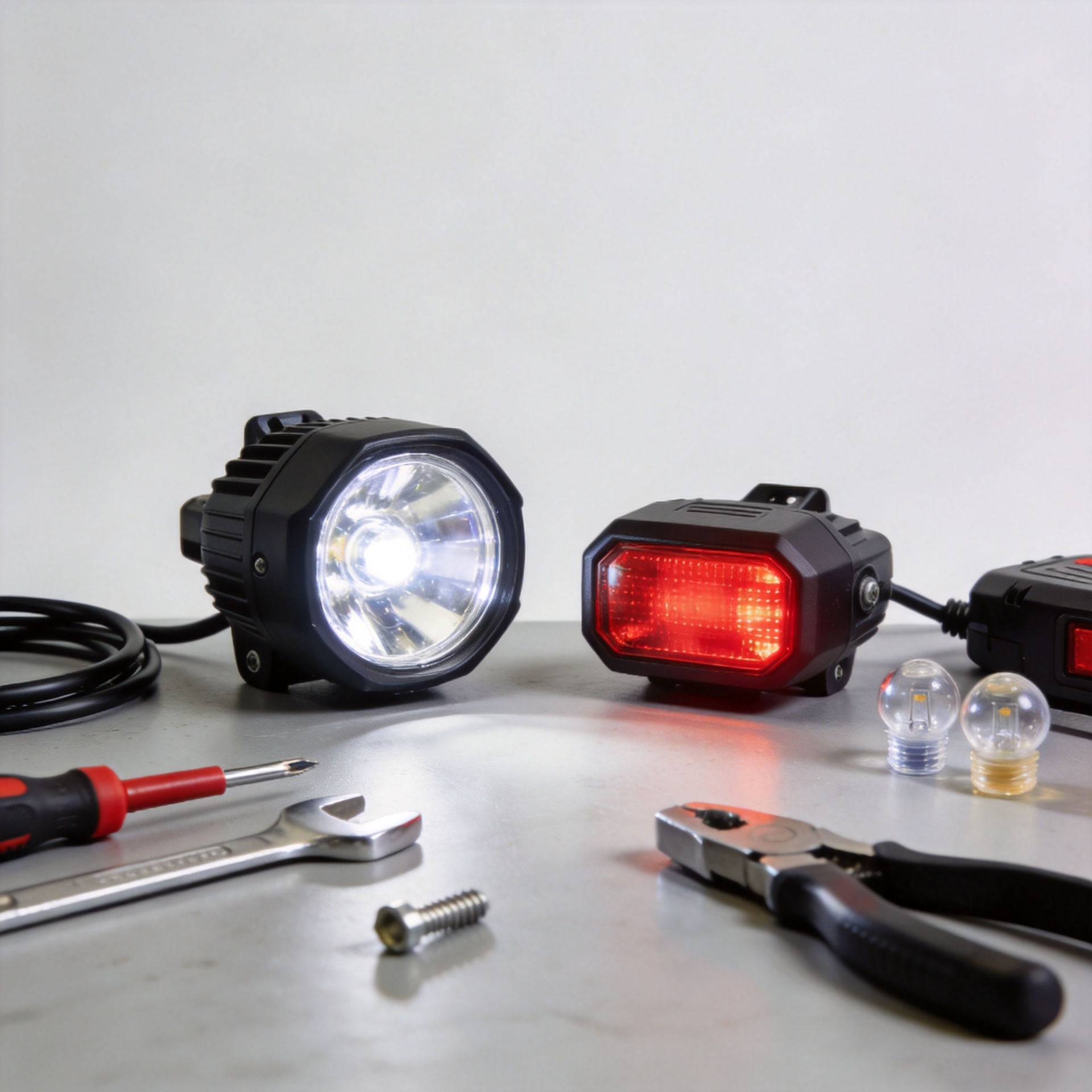
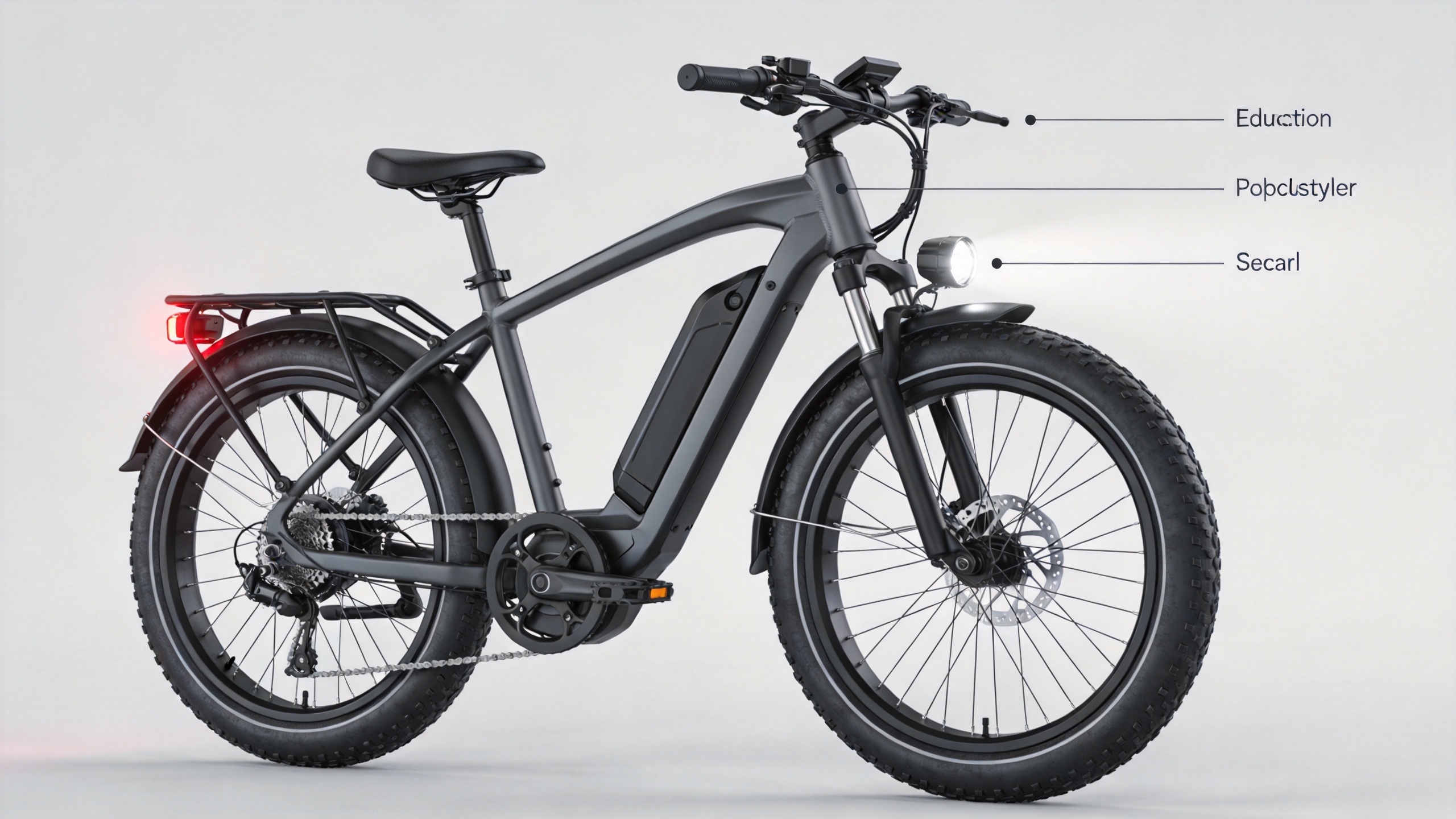
Front e bike lights help the rider read the road and make the bike easier to notice from ahead. A headlight usually needs a controlled beam, a stable forward-facing bracket, and a cable route that still moves cleanly with the handlebar. Rear e bike lights are primarily about being seen from behind. Their lens, mounting angle, and wiring often suit the seat area, rear rack, or fender rather than the fork or handlebar.
| Check | Front headlight | Rear tail light |
|---|---|---|
| Primary role | Forward illumination and front visibility | Rear visibility and signaling presence |
| Typical mounting area | Handlebar, stem, fork crown, or front frame | Seatpost, rear rack, fender, or rear frame |
| Replacement concern | Beam direction, bracket fit, steering clearance | Lens orientation, rear bracket fit, cable reach |
| Compatibility priority | Voltage/output, connector, mount, cable movement | Voltage/output, connector, mount, cable routing |
Both types of e bike lights contribute to visibility, but they are not automatically interchangeable. A tail lamp fitted at the front may offer poor road illumination; a headlamp fitted at the rear may not face correctly or fit the rear mount. In short, similar housings do not prove compatibility.
Start with diagnosis, not the replacement part
Before buying e bike lights, separate a lamp failure from a wiring or power issue. Switch on the bike, inspect the cable near moving joints, and look for pinched insulation, corrosion, loose plugs, or a damaged mounting point. If the other lamp still works, that can narrow the issue, but it does not prove the failed lamp alone is at fault. On a wired system, a damaged lead or connector can mimic a failed light.
A useful example from a wired-lighting discussion showed that a 500-lumen headlight and tail light together drew 9.49 W (1.61 A), while that particular bike output was rated at 9 W (1.5 A). It is only an example, not a universal rule, yet it shows why output limits must be checked before changing e bike lights. Do not assume that a brighter unit is safe for every controller or lighting port.
Four checks before you order a new light
- Confirm the bike and light location. Record the exact bike model, model year if known, and whether the failed unit is front or rear. Model-specific e bike lights are often easier to match when this information is ready.
- Compare the connector. Count pins, note the connector shape, and photograph it before unplugging. Do not force a plug just because it nearly fits.
- Verify electrical compatibility. Check the original label, bike documentation, or supplier information for voltage and supported lighting output. This is more reliable than judging by lamp size.
- Measure the mounting and cable route. A replacement needs enough cable length without pulling tight during steering or suspension movement. For a rear lamp, make sure the cable reaches without rubbing the wheel or folding sharply at a hinge.
This is where many replacement attempts go wrong: buyers compare only the lens or the stated brightness. With e bike lights, practical compatibility includes the connector, mounting hardware, cable route, and intended position.
Choosing a front headlight replacement
Choose front e bike lights when the bike needs forward illumination or its existing front lamp has cracked, flickered, or lost a secure mount. Look at the bracket first. A light that clears a fixed fork may interfere with a basket, display, or cable bundle on another build. Next, check whether the lamp must turn with the handlebar or remain fixed to the frame. That affects both the beam direction and how the cable must be routed.
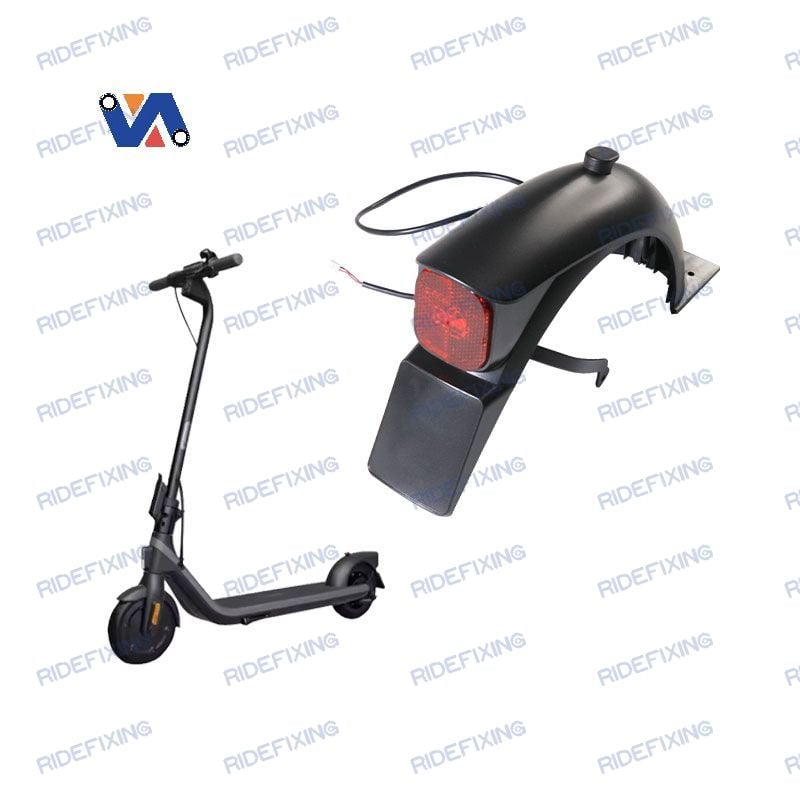
For a model-specific option, review the Engwe E26 E26 ST Special Front Headlight against the bike’s original connector, mounting point, and fitment details. The product title indicates its intended E26/E26 ST application; verify the actual vehicle version before purchase rather than treating the title as a universal fit claim.
Choosing a rear tail light replacement
Choose rear e bike lights when the lamp at the back is damaged, dim, loose, or no longer visible from the intended rear position. Check whether the original unit is mounted on a rack, fender, seat area, or frame tab. The replacement must sit upright and point rearward; a lamp installed at the wrong angle can be less useful even when it powers on.
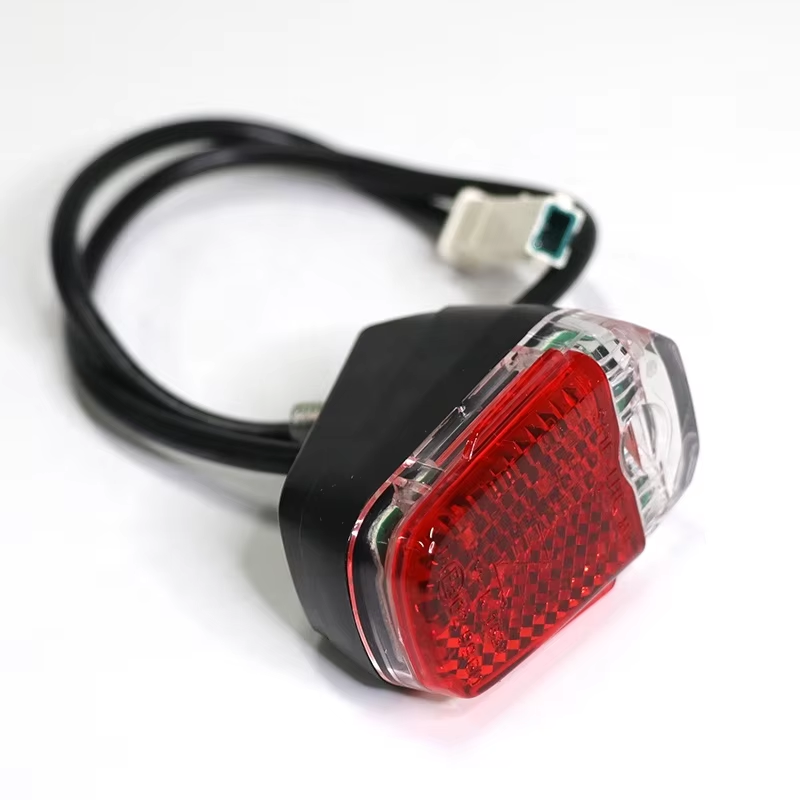
For EP2 PRO and Engine X fitment, the Engwe EP2 PRO LED Rear Tail Light provides a model-specific starting point. Confirm the version, connector, bracket, and cable path before ordering. A rear-light replacement should not be selected solely because its lens looks similar to other e bike lights.
A careful replacement sequence
- Power the bike down and disconnect the battery if the manufacturer’s instructions require it.
- Photograph the original lamp, connector, bracket, and cable route.
- Remove the damaged unit without pulling on the wire.
- Compare the new and old connector, mounting points, and cable length before fastening anything.
- Route the cable away from moving parts, sharp edges, and tire contact areas.
- Test the light while the bike is stationary, then recheck steering or rear-suspension clearance.
Do not rush the final test. A light can switch on at the bench yet fail after the handlebar turns or a folding frame closes. That is why a short clearance check is part of replacing e bike lights, not an optional extra.
Which replacement do you need?
Replace the front headlight when the problem is forward illumination, front mounting, or a front-specific connector. Replace the rear tail light when the issue is rear visibility, a rack/fender mount, or a rear-specific cable path. If neither description is certain, pause before ordering. Compare the old part against the bike model, connector, output requirement, and mount.
The right e bike lights replacement is the one that fits the bike’s actual electrical and mechanical setup. For distributors, repair shops, and riders alike, that small verification step reduces installation problems and helps keep the lighting system working as intended.