EN
EN



How Does an Electric Scooter Motor Work? BLDC vs Brushed Motor Explained
Every electric scooter motor is responsible for converting electrical energy into the rotational force that drives the wheel. If you source or distribute electric scooter parts, understanding how an electric scooter motor works is not just a technical curiosity — it directly affects which products you stock, how you counsel buyers on replacements, and how you avoid costly compatibility mistakes that come back as returns.
This guide explains how each type of electric scooter motor functions, compares their real-world performance, and shows you how to read motor specs without being misled by inflated peak-watt numbers.
Two Types of Electric Scooter Motor
All electric scooter motor designs run on direct current (DC) electricity, but they differ fundamentally in how they control that current to generate rotation. Two categories dominate today's market:
- Brushed DC electric scooter motor — an older, mechanically simpler design still found in budget and low-voltage models
- Brushless DC (BLDC) hub motor — the dominant electric scooter motor technology in mid-range and performance scooters, integrated directly into the wheel hub
The majority of replacement orders handled by distributors today involve BLDC hub motors. Brushed motors have not disappeared entirely, but understanding the technical reasons behind this market shift helps you match the right electric scooter motor to the right product tier and customer need.
How a Brushed Electric Scooter Motor Works
A brushed electric scooter motor uses two carbon brushes that physically press against a rotating contact ring called the commutator. As the motor shaft spins, the brushes slide across the commutator segments, switching the direction of current through the wire coils inside. This creates alternating magnetic fields that keep the shaft — and the wheel — turning.
The mechanism is reliable, but the friction between the brushes and commutator is a built-in design trade-off. Over time, the brushes wear down, generate heat, and eventually require replacement. For low-speed, low-duty applications such as children's kick scooters or entry-level budget models under 36V, this maintenance cycle is manageable. For heavier commuter use, the reduced lifespan becomes a significant factor in total cost.
Brushed electric scooter motor units still have a legitimate place in the market: spare parts for older scooter models that originally shipped with brushed motors, and price-sensitive distribution segments where lower component cost outweighs maintenance considerations.
How a BLDC Hub Motor Works
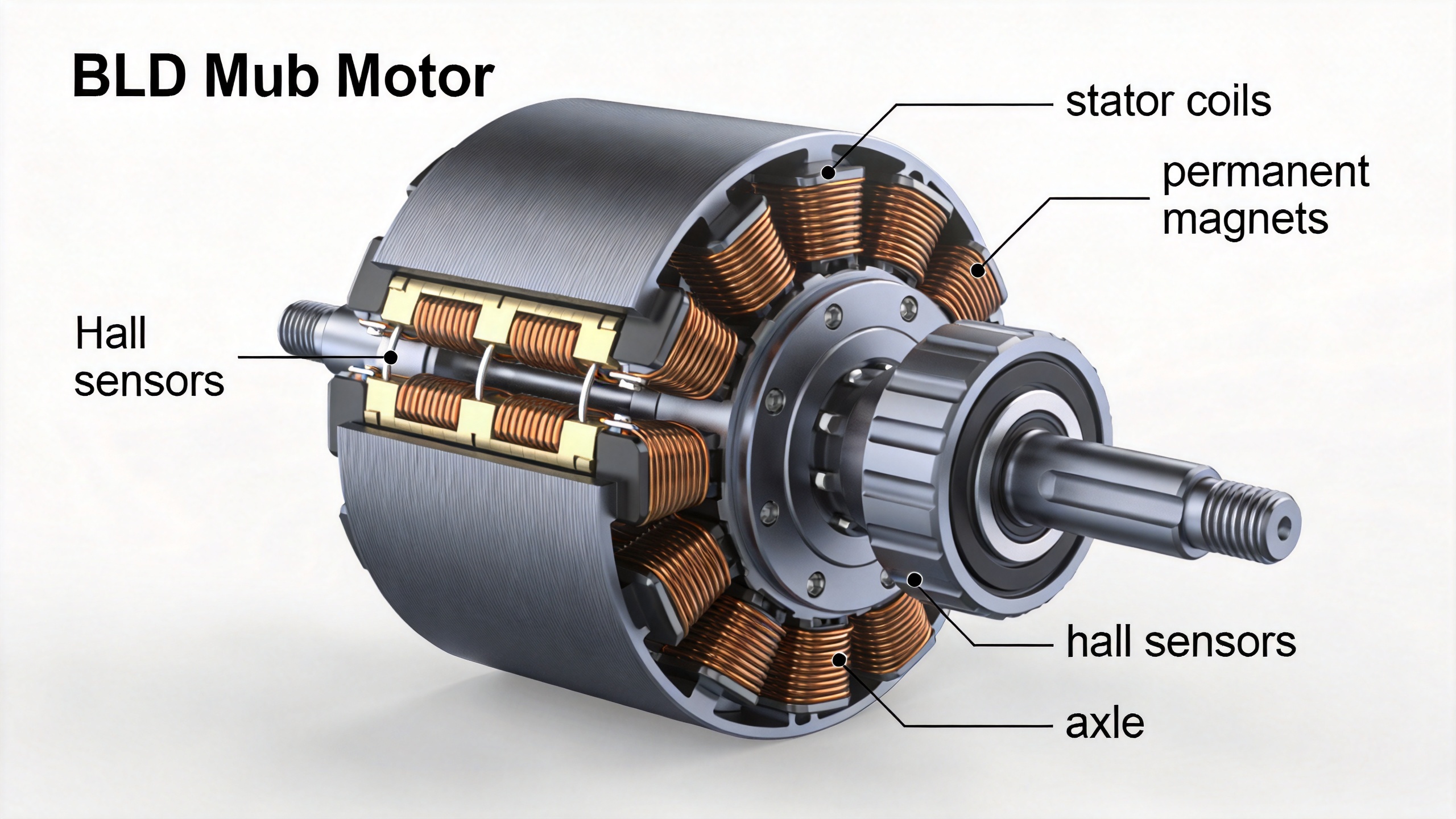
A brushless DC (BLDC) electric scooter motor removes the brushes entirely. Instead of mechanical contact switching, a separate electronic controller reads the rotor's position — usually via small magnetic sensors called hall-effect sensors — and delivers precisely timed electrical pulses to the stator coils. The interaction between the stator's magnetic field and the permanent magnets on the rotor produces smooth, continuous rotation.
In a hub motor design, the entire electric scooter motor assembly is built inside the wheel hub itself. The outer shell of the hub rotates as the wheel turns, while the axle stays fixed. This eliminates chains, belts, and gears — reducing mechanical failure points for end users and simplifying maintenance for repair shops that handle replacement work.
The efficiency advantage of a BLDC hub motor is real. With no brush friction consuming energy, this type of electric scooter motor converts a higher percentage of electrical input into mechanical output. At equivalent wattage, a BLDC hub motor tends to deliver better range, more consistent torque delivery, and noticeably quieter operation compared to a brushed alternative.
BLDC vs Brushed Electric Scooter Motor: Key Performance Comparison
| Characteristic | Brushed DC Motor | BLDC Hub Motor |
|---|---|---|
| Commutation | Mechanical (carbon brushes) | Electronic (controller + hall sensors) |
| Efficiency | Lower — friction energy loss | Higher — minimal resistive losses |
| Maintenance | Brush replacement needed over time | Near zero mechanical wear parts |
| Noise | Audible brush contact hum | Quiet — only minor bearing noise |
| Lifespan | Limited by brush wear cycle | Significantly longer under equivalent use |
| Unit Cost | Lower | Higher unit cost, lower total cost of ownership |
| Typical Use | Budget/entry-level, legacy models | Mid-range, commuter, performance scooters |
Total cost of ownership often favors the BLDC electric scooter motor even when the unit price is higher. Buyers who factor in replacement frequency and repair shop labor costs tend to favor BLDC hub motors once they see the full picture. This is a useful framing when customers focus narrowly on unit price comparisons.
Decoding Electric Scooter Motor Specifications
One of the most common sourcing mistakes when buying an electric scooter motor is comparing listings by peak watt ratings rather than rated (continuous) wattage. A listing showing "250W/500W" means 250W is the nominal operating power — the figure that reflects real-world sustained performance — while 500W is the maximum the electric scooter motor can handle briefly under peak load. When comparing motors, anchor on rated watts — not peak watts.
Four other spec terms appear regularly in electric scooter motor listings:
- KV rating: RPMs the electric scooter motor attempts to spin per volt applied. A lower KV value means more torque and less top speed; a higher KV value means less torque but more speed. Hub motors for heavier commuter scooters tend to carry lower KV ratings than those designed for lightweight folding models.
- Torque (Nm): the rotational force the electric scooter motor produces. Higher Nm improves hill-climbing and acceleration from a stop — relevant for markets with significant inclines.
- Pole count: the number of magnetic pole pairs in the stator. Higher pole counts improve low-speed torque smoothness, which is why many hub motors list 14 or more poles. This is not a direct quality indicator, but it explains why two motors with similar wattage can deliver noticeably different riding feel.
- Temperature control: some electric scooter motor units include built-in thermal protection. For buyers supplying repair shops or shared-fleet operators, this feature reduces the risk of motor burnout under sustained heavy use.
Distributors who can clearly explain these four parameters to their wholesale customers will reduce compatibility complaints and misconfigured replacement orders significantly.
Sourcing the Right Electric Scooter Motor for Your Market
For most mid-range and above product categories, BLDC hub motors are now the practical standard. Buyers sourcing replacement motors for current-generation commuter scooters will typically require a BLDC hub motor, not a brushed unit.
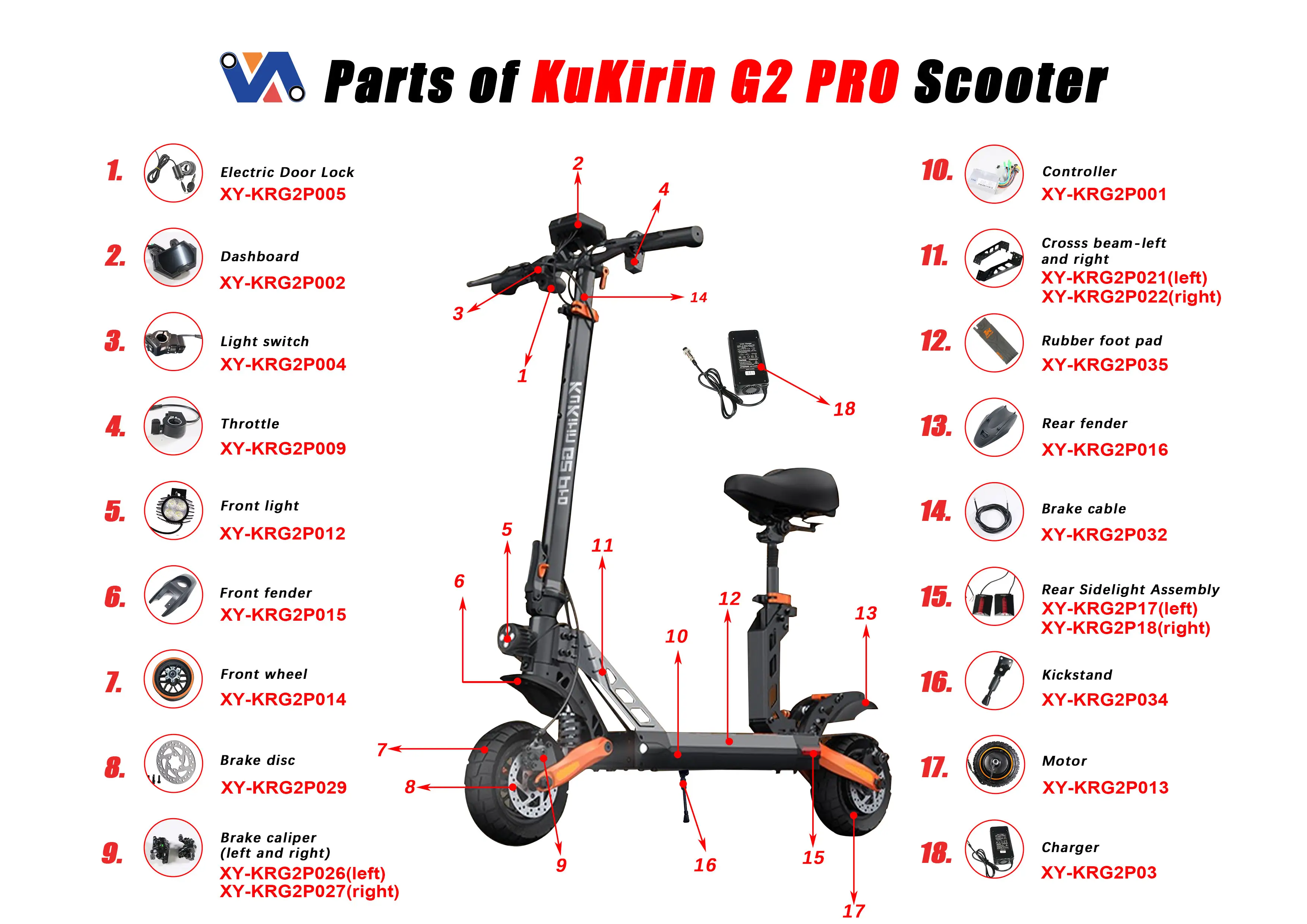
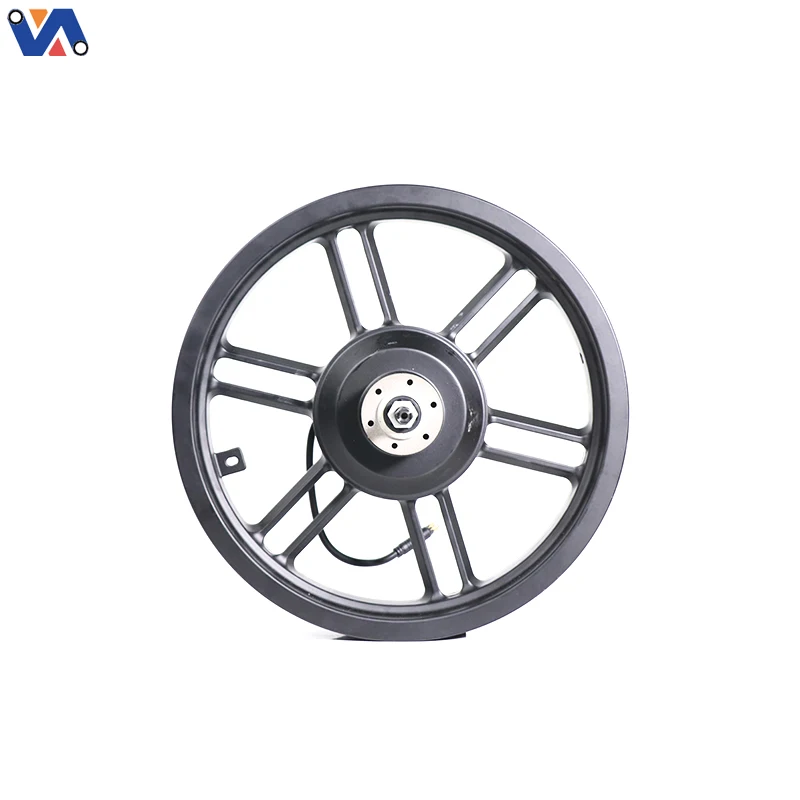
When stocking replacement electric scooter motor wheels, compatibility with the original wheel size and axle specification is the first filter — before wattage or brand name. The 16-Inch Rear Motor Wheel for OUXI V8-Mini (36V 250W BLDC hub motor with temperature control) is an example of a model-specific replacement that includes both wheel and motor as a matched assembly — simplifying compatibility verification for repair shops handling that scooter model.
Mismatched voltage is the most common cause of premature electric scooter motor failure in replacement scenarios. Before placing volume orders, confirm wheel diameter, axle width, voltage, and rated wattage against the original equipment specification. This single verification step prevents the majority of post-purchase compatibility disputes.
If you source electric scooter wheels and motor assemblies across multiple models, a simple compatibility matrix — motor type, voltage, rated/peak watts, wheel diameter — reduces back-and-forth with your customers and improves order accuracy on both sides. Managing electric scooter wheels inventory alongside matched hub motor units gives your buyers a more complete replacement solution, which builds supplier loyalty over time.
Understanding how each electric scooter motor type works — and how to read the spec numbers accurately — positions you as a knowledgeable parts supplier rather than just another catalog listing. That expertise translates directly into fewer returns, stronger buyer relationships, and repeat orders.