EN
EN


Hydraulic vs Mechanical Brakes for E-Bikes: How to Choose
Choosing between bike hydraulic brakes and mechanical disc brakes is not simply a question of buying the more expensive system. For an e-bike owner, fleet manager, or replacement-parts buyer, the useful choice depends on bike weight, riding terrain, service capacity, cable and hose routing, and the controls already fitted to the bike. Both systems can work well when correctly installed and maintained. The right system is the one that gives the rider predictable control while remaining practical to inspect and service.
This guide compares the main types of brakes for bicycles used on e-bikes, with a focus on disc-brake systems. It is written from a parts-selection perspective: start with the operating conditions, then verify compatibility before ordering an upgrade.
How the two disc-brake systems work
Mechanical disc brakes use a hand lever and a steel cable. Pulling the lever tensions the cable and moves the caliper mechanism against the rotor. Adjustment is familiar to many riders: cable tension, pad position, and cable condition are visible and can often be checked with basic tools.
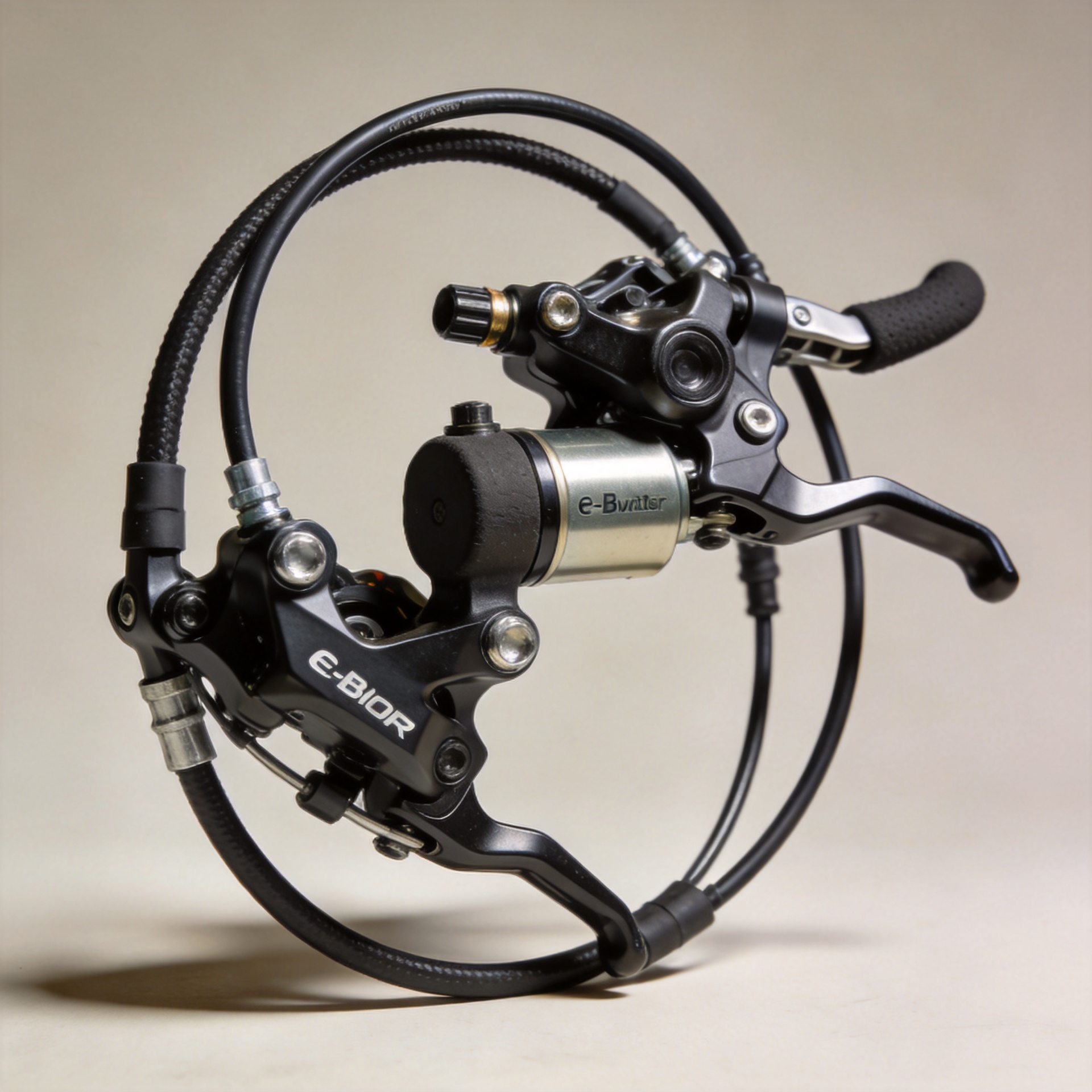
Bike hydraulic brakes use a sealed hose and brake fluid to transmit lever force to the caliper. The system can deliver a more consistent lever feel because fluid pressure transfers force through the hose rather than relying on a cable sliding inside housing. Many hydraulic calipers also move both pads toward the rotor, although buyers should confirm the design of the specific brake rather than assume every model works the same way.
Neither design removes the need for sound riding habits, good tires, a clean rotor, and correctly bedded-in pads. Brake type is one element of an overall e-bike safety system.
Hydraulic vs mechanical: the practical comparison
| Decision area | Bike hydraulic brakes | Mechanical disc brakes |
|---|---|---|
| Lever effort and modulation | Often offers lower lever effort and a smoother ability to meter braking force. | Can provide dependable control, but cable friction and adjustment can affect lever feel. |
| Routine adjustment | Usually needs fewer cable-style adjustments; periodic inspection remains essential. | Commonly needs cable-tension and pad-clearance checks as parts wear. |
| Service work | May require correct bleeding and fluid handling when the system needs service. | Often easier to diagnose and adjust with ordinary cable tools. |
| Upgrade complexity | Requires careful hose routing and e-bike lever/cut-off compatibility checks. | Can be straightforward where the existing lever and cable layout are retained. |
| Typical use case | Heavier e-bikes, hills, frequent stops, cargo, or riders prioritizing lever feel. | Budget-conscious builds or locations where simple cable service is a priority. |
In qualitative comparisons, bike hydraulic brakes are commonly associated with stronger braking response for a given amount of lever force. That can be valuable on a heavier e-bike, on long descents, or in stop-and-go riding. Still, “stronger” is not a substitute for correct setup. Rotor condition, pad compound, tire grip, rider weight, and speed all influence real-world stopping performance.
Choose by riding load, terrain, and rider expectations
When hydraulic brakes are usually worth considering
Consider bike hydraulic brakes when the e-bike regularly carries a rider plus cargo, operates on steep routes, or makes repeated stops in city traffic. Riders who value a light lever pull and progressive control may also prefer a hydraulic setup. These conditions do not automatically rule out mechanical brakes, but they increase the value of a system that can deliver consistent feel with less routine cable adjustment.
When mechanical brakes remain a sensible choice
Mechanical disc brakes can be a practical choice for lighter-duty e-bikes, price-sensitive replacement projects, and workshops that prefer cable-based service. A well-adjusted mechanical caliper with good pads, a straight rotor, and low-friction housing should not be treated as an unsafe default. It is a system with different maintenance needs, not an obsolete option.
For buyers comparing types of brakes for bicycles across several models, the decision should be based on the complete bicycle configuration. A powerful motor, larger battery, cargo rack, or frequent wet-weather riding may justify spending more attention on the brake system and its maintenance plan.
Maintenance: fewer adjustments is not zero maintenance
Bike hydraulic brakes typically avoid the cable stretch and friction issues found in cable systems, but they still need inspection. Check pad thickness, rotor wear, leaks, hose damage, mounting-bolt security, and lever feel. If the lever feels spongy or the system has been opened, a properly performed bleed may be required. Use the specified fluid and procedure for the brake model; mixing service practices can damage components or reduce performance.
Mechanical systems deserve regular attention to cable condition, housing friction, pad alignment, and caliper adjustment. Replace corroded or frayed cables and do not compensate for a worn rotor or contaminated pads with excessive cable tension. For either system, keep oils and cleaners away from the rotor and pads.
Upgrade checklist for an e-bike
Before changing to bike hydraulic brakes, confirm more than the caliper mounting style. Use this checklist:
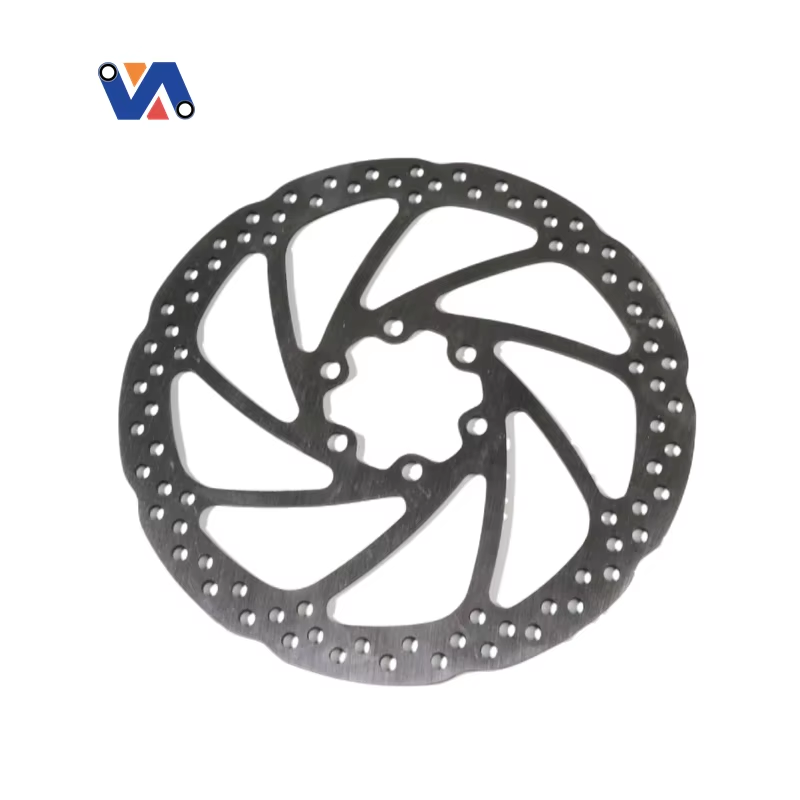
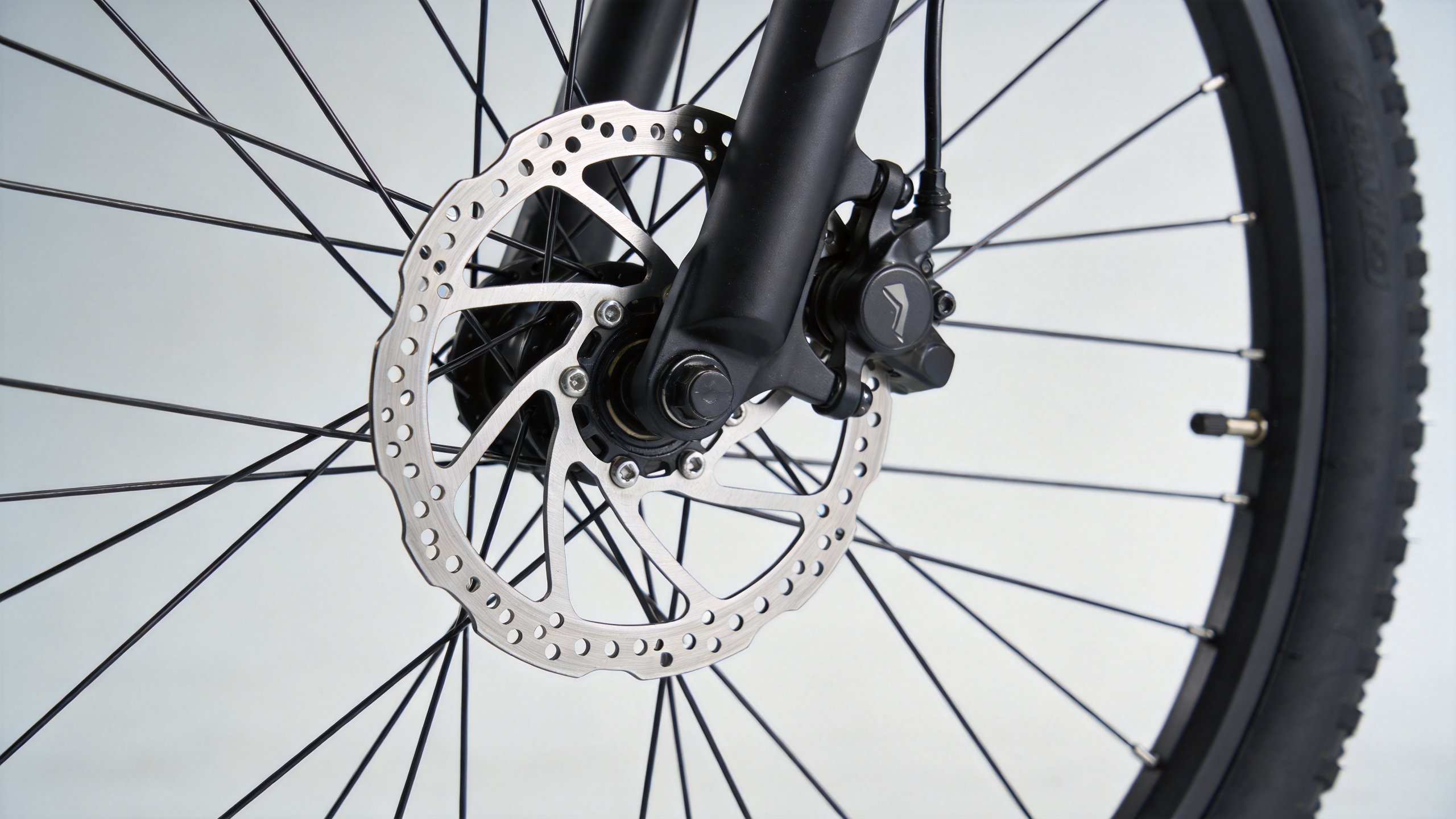
- Mount and rotor fit: verify the frame/fork mount, rotor diameter, adapter requirement, and clearance.
- Wheel and rotor condition: check that the hub accepts the intended rotor interface and that the rotor is within the brake maker’s approved range.
- Lever and electronics: many e-bikes use brake-cut-off switches. Confirm that the replacement levers and connectors match the bike’s control system or that a safe approved solution exists.
- Hose or cable routing: make sure the route does not bind at full steering lock or interfere with suspension movement, folding joints, lights, or accessories.
- Installation capability: if bleeding, hydraulic hose cutting, or electrical connector work is beyond your service process, use a qualified technician.
For a model-specific replacement option, review the Engwe EP-2 Pro/C20 Pro upgraded hydraulic brake set against the bike’s original specifications before purchase. The product name alone does not establish compatibility; verify the actual bicycle, mounts, rotor, and electronic brake-control arrangement.
A simple selection rule
Choose bike hydraulic brakes when your e-bike’s weight, terrain, traffic pattern, or rider expectations make smooth modulation and lower lever effort a priority—and when you can support proper hydraulic service. Choose mechanical disc brakes when straightforward cable maintenance, familiar tools, and a lower-complexity setup matter most. In either case, correct fitment and regular inspection have more impact than a label on the caliper.
For distributors and repair-focused buyers, keeping both types of brakes for bicycles available can be useful: hydraulic options for performance-oriented upgrades and mechanical options for service-friendly replacements. Match the brake system to the bike’s actual use, then make compatibility verification the final purchase gate.