EN
EN


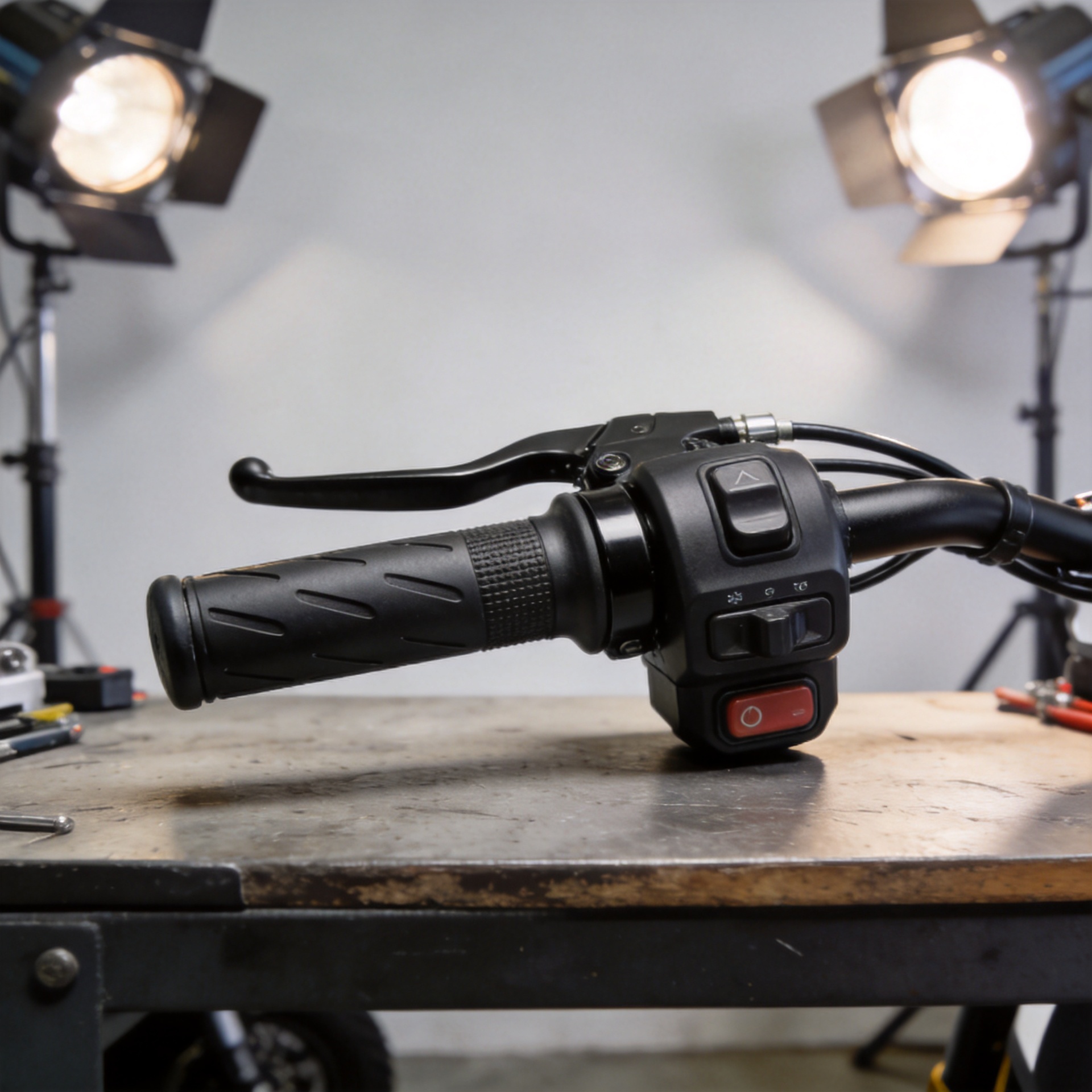
Types of Electric Scooter Throttles and Their Control System Requirements
An electric scooter throttle is a small rider-control part, but it sits at the front end of a larger command chain: throttle, wiring harness, controller, motor, display, and brake cut-off. For distributors, repair shops, and scooter assemblers, selecting an electric scooter throttle is therefore not only a question of grip style. The replacement must provide a signal the controller recognizes, fit the handlebar layout, and work safely with the rest of the vehicle controls.
This overview explains the common throttle formats, the basic control functions behind them, and the interface details worth confirming before a purchase order is released.
What an electric scooter throttle does
Most modern scooter throttles use a Hall-effect sensor or a similar electronic sensing method. When the rider presses, twists, or rolls the actuator, the throttle sends a changing request signal to the controller. The controller—not the throttle itself—manages motor current and speed response according to its programming, battery voltage, protection logic, and sensor inputs.
A common Hall-style electric scooter throttle uses three functional connections: regulated supply, ground, and a signal wire. In many systems the controller supplies roughly 5 V, while the signal moves from a low value at rest to a higher value at full request. One publicly available diagnostic guide gives approximately 0.84 V at minimum and 4.25 V at wide open throttle as an example. Those figures are useful for bench checks, not universal specifications: the controller documentation and approved sample remain the final authority.
Common electric scooter throttle types
Thumb throttle
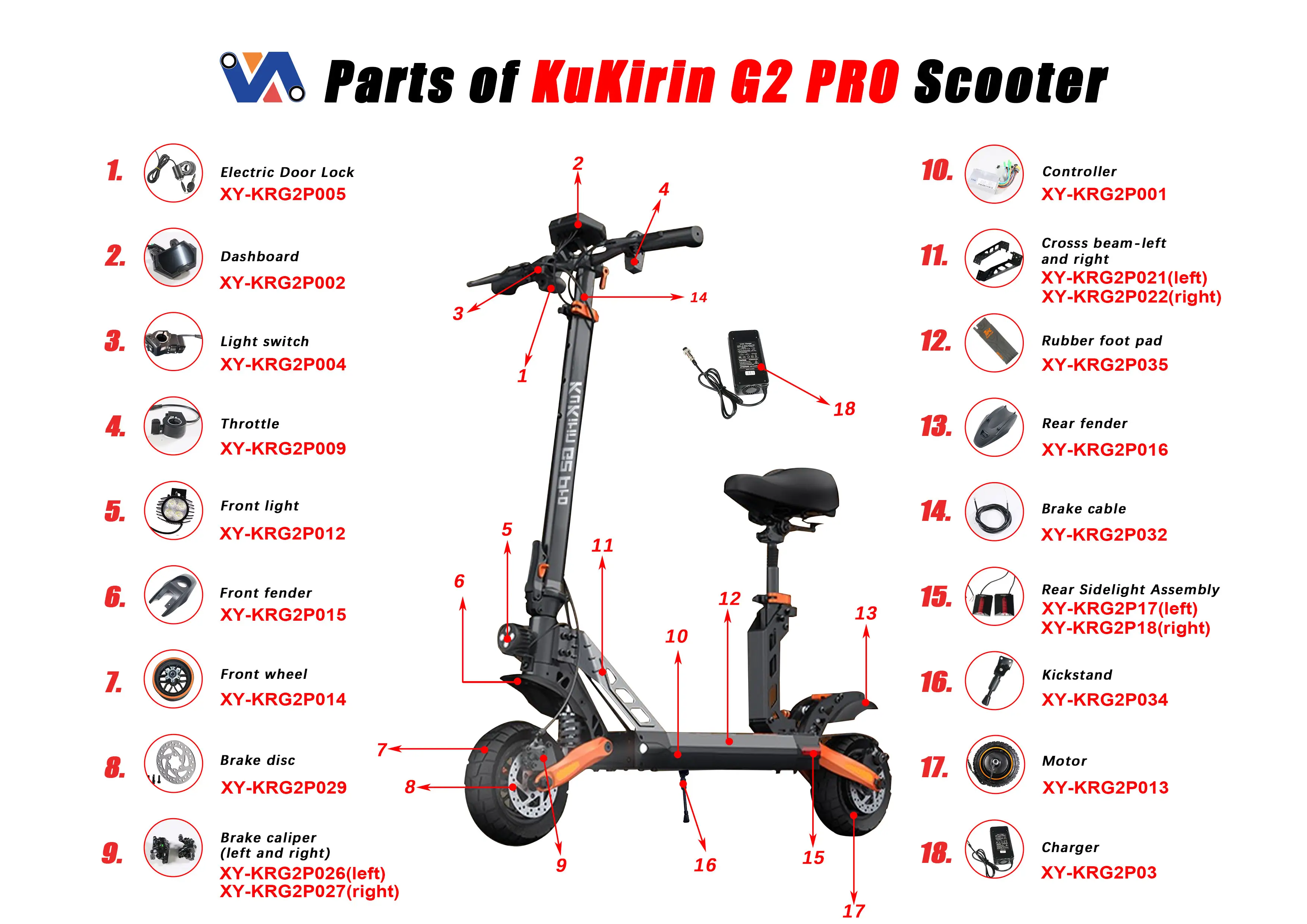
A thumb throttle is operated by pressing a small lever with the thumb. It takes little handlebar space and can be practical where the cockpit already includes a display, brake levers, switches, and a bell. It is common on compact commuter scooters and is easy to identify in replacement-part catalogs. Buyers should still verify lever direction, mounting diameter, cable exit direction, and connector type.
Trigger or finger throttle
A trigger throttle uses an index-finger lever, often positioned near the grip. This style can support a narrow handlebar layout and may feel familiar to riders who prefer a light finger movement. Its fit depends heavily on brake-lever placement and grip clearance. When sourcing an electric scooter throttle in this format, ask for installed dimensions rather than relying on a front-view product image.
Twist throttle
A twist throttle rotates with the grip, either as a half-twist section or a full-grip design. It can provide a broad control travel, but it changes the grip arrangement and may not suit every scooter folding mechanism or brake layout. Confirm the left- or right-hand configuration, grip length, cable routing, and whether the assembly is intended for a scooter rather than another light electric vehicle.
Wheel and integrated display throttles
Some models use a small wheel actuator, while others combine throttle controls with a display, power button, speed selection, or key switch. An integrated unit can reduce separate parts, but it also adds protocol and wiring dependencies. A display connector that looks similar may carry different pins or communication signals. Treat an integrated electric scooter throttle as a system component, not a universal plug-and-play accessory.

Control system requirements to confirm
The first requirement is signal compatibility. Confirm whether the controller expects an analog Hall signal, the controller supply voltage, the accepted signal range, and the resting-signal behavior used for fault detection. A mismatch can cause no response, an error code, limited speed, or an unsafe response. Wire colors are helpful during installation but are not a reliable purchasing specification; request a pinout or a tested wiring diagram.
Second, verify the connector. Record connector family, pin count, keying, gender, cable length, and whether an adapter is permitted. The three core throttle wires may be accompanied by additional wires for a key switch, battery indicator, display, speed mode, cruise function, or lamp control. These extra circuits should be checked individually rather than assumed from the number of wires.
Third, review the brake cut-off relationship. On many scooters, a brake input tells the controller to stop drive output while braking. The exact logic can be normally open or normally closed depending on the controller. During a replacement or retrofit, test throttle release, brake activation, controller start-up behavior, and fault handling together. Consumer safety guidance also recommends checking controls, brakes, cables, tires, and the frame before use after service.
A practical procurement checklist
- Identify the scooter model, controller model, system battery voltage, and existing throttle part number if available.
- Specify the throttle style: thumb, trigger, twist, wheel, or integrated display control.
- Request clear photos of the connector, a pinout, wire length, handlebar clamp size, and installed dimensions.
- Confirm regulated supply, ground, signal range, and controller fault or start-up requirements with a sample test.
- List every auxiliary function separately, including display, key switch, speed mode, cruise, and brake cut-off.
- Approve a sample on the intended controller before ordering production quantities.
When a controller-and-throttle kit makes sense
If the original controller is damaged, undocumented, or incompatible with the available replacement electric scooter throttle, a matched control kit can simplify validation. The key word is matched: battery voltage, motor type, rated controller capacity, display interface, brake input, and throttle signal must all be reviewed as a set. For buyers sourcing both parts, this 500W 48V brushless controller kit with LCD speed display and throttle components is an example of a product page to review against the vehicle’s actual electrical specification; the listing should not replace a compatibility test.
Final takeaway
A suitable electric scooter throttle is one that matches the rider-control preference and the controller’s documented electrical requirements. Start with the throttle type, then validate signal behavior, connector pinout, mounting, cable routing, brake cut-off interaction, and any display or switch functions. A sample-based check before bulk purchase helps suppliers and buyers avoid otherwise preventable installation and after-sales issues.