EN


What Does a 36V 250W Hub Motor Controller Need to Work With?
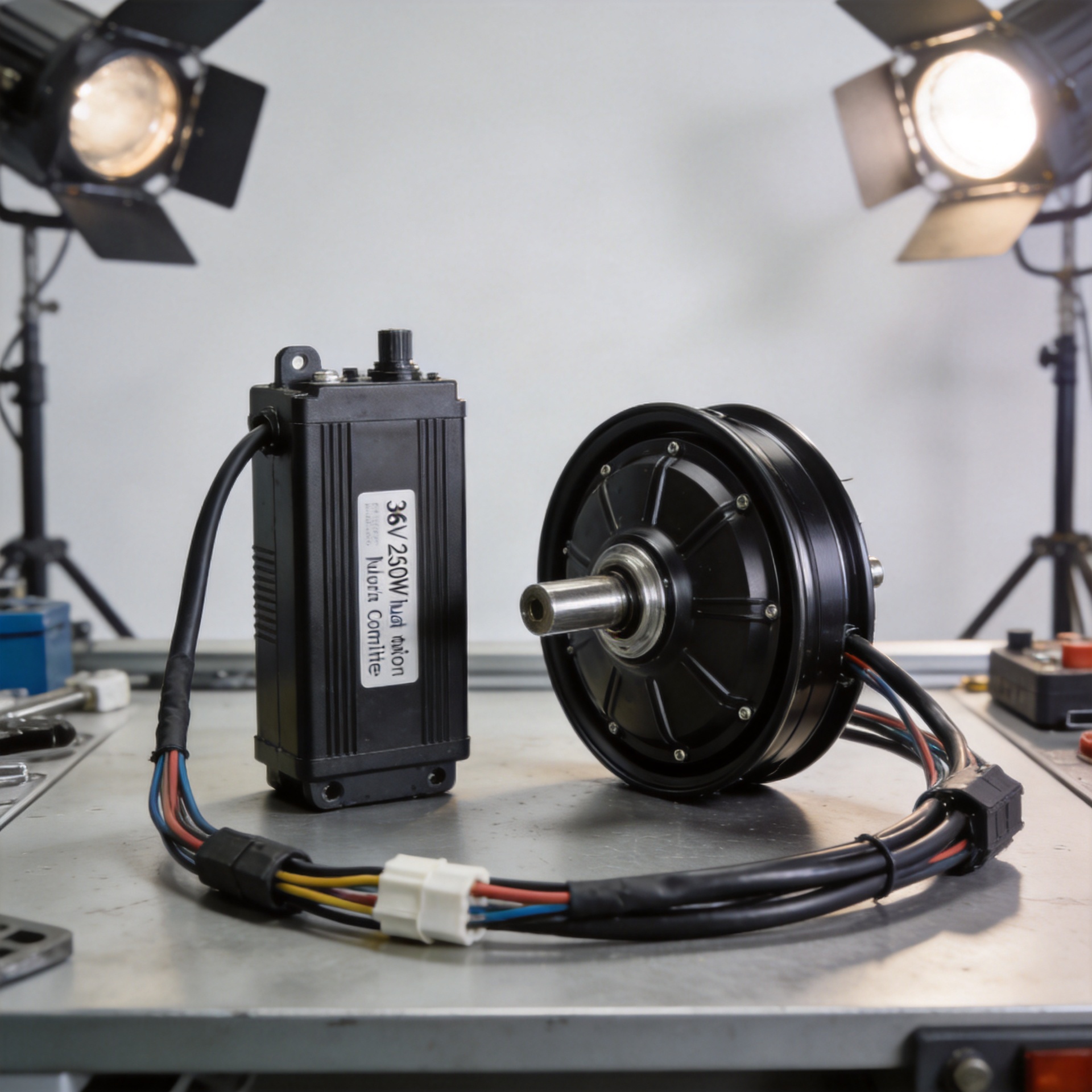
A replacement 36v 250w hub motor controller is not a universal plug-and-play part. It has to communicate with the battery, brushless hub motor, rider controls, and the bicycle or scooter harness as one system. For buyers sourcing e-bike spare parts, the safest approach is to verify a short list of electrical and physical conditions before placing an order—not just the two numbers printed on the controller label.
This guide explains the compatibility checks that matter most. It is written for people comparing replacement parts or preparing a technical inquiry, and it focuses on the controller-selection questions that prevent costly wiring mistakes.
Start With the Actual 36V Battery System
The first requirement for a 36v 250w hub motor controller is compatibility with the battery pack’s real voltage range and protection system. “36V” is normally a nominal designation, not one fixed voltage. A common 10-series lithium-ion pack is often described as reaching about 42V when fully charged and approaching about 30V at the low end. The controller must be designed for the battery chemistry and its full charged voltage—not merely its nominal label.
Ask for three controller values and compare them with the battery documentation:
- Supported input-voltage range: It must safely accept the pack’s maximum charged voltage.
- Low-voltage cutoff (LVC): It should not conflict with the battery management system (BMS) or leave too little reserve for the cells.
- Maximum battery current: The battery, BMS, fuse, and discharge connector must all be rated for the requested current.
Do not fit a higher-voltage controller simply because its plugs look similar. Likewise, do not choose a controller based only on a “36V” claim if the seller cannot state the input range and LVC. These settings affect both ride behavior and battery protection.
A 250W Motor Label Is Only One Part of the Match
A 250W rating helps define the intended application, but it does not by itself prove that a controller is suitable. Controller current limit matters because electrical power is related to voltage and current. At 36V, a nominal 250W operating point is roughly 7A, yet a system may use a different current profile during starts, hills, or acceleration. The motor maker and battery maker should define what continuous and peak current the system can accept.
When comparing a brushless controller 36v 250w option, request the controller’s continuous current, peak current if supplied, and current-limit setting. An unnecessarily high-current unit can run hotter and place extra demand on a small battery or motor. An overly conservative unit may feel weak or enter protection early. The goal is a controller calibrated for the original motor-and-battery system, rather than the highest amp figure available.
Confirm the Brushless Motor’s Phase and Hall-Sensor Arrangement
Most replacement cases involve a BLDC hub motor, but BLDC does not mean every wiring loom is interchangeable. A sensored motor commonly has three heavier phase wires plus a low-voltage Hall-sensor connector carrying power, ground, and signal lines. The controller must support the motor’s sensor arrangement, and the phase/Hall sequence must be correct.
Wire colours, pin counts, and connector shells are useful clues, but they are not final proof. Similar-looking motors can use different pinouts. A mismatched sequence can lead to no start, reverse rotation, rough operation, excessive no-load current, or controller heating. Use the vehicle’s wiring diagram, manufacturer pinout, or approved test procedure. Avoid swapping live phase wires experimentally; follow the controller and motor maker’s instructions instead.
Sensorless versus sensored operation
Some controllers can run sensorless motors or provide a sensorless fallback; others depend on Hall feedback, especially at low speed. Before ordering a 36v 250w hub motor controller, identify whether the original hub motor has Hall wires and whether the selected controller is designed for that mode. This is a functional compatibility check, not a cosmetic connector check.
Check Every Rider-Control and Safety Connection
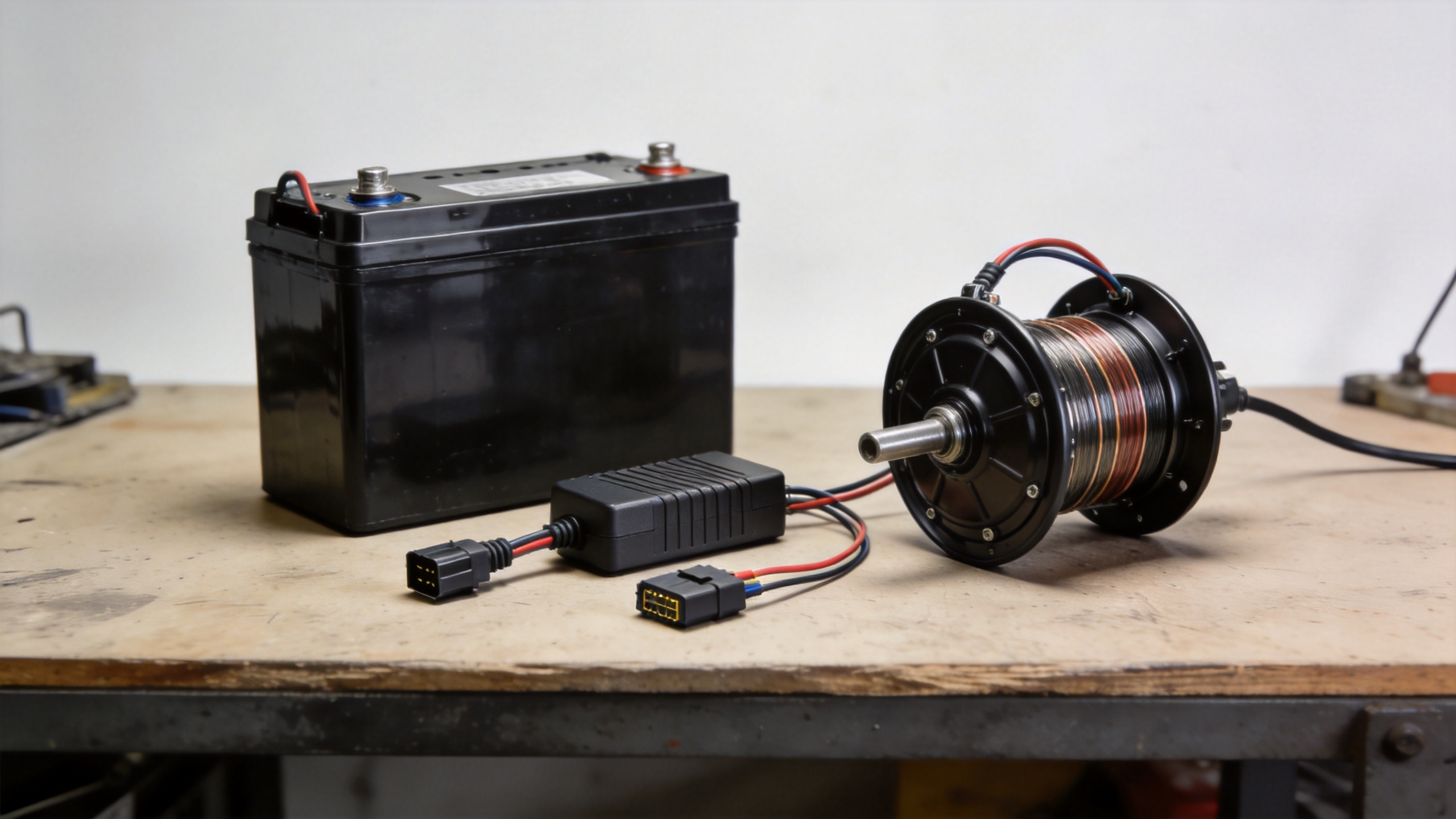
The motor may be the highest-power component, but small signal connectors decide whether the vehicle functions normally. Make a connector-by-connector list for the original harness:
- Throttle: Verify the signal type, connector, supply voltage, and pinout.
- PAS sensor: Confirm whether pedal assist is used and whether the controller accepts the sensor’s signal style and direction.
- Brake cut-off: Verify normally open or normally closed logic and connector compatibility. A brake signal that is wired incorrectly can prevent drive or defeat an intended safety function.
- Display or meter: Check protocol as well as the plug. Many displays are not cross-compatible even when the connector has the same number of pins.
- Lights, cruise, reverse, learning, or speed-limit leads: Treat these as model-specific functions and confirm them before installation.
For a replacement project, label and photograph the original connectors before removing the old controller. Include plug faces, wire count, keyway shape, and any model number in the inquiry. That gives a parts supplier a much better basis for checking a brushless controller 36v 250w match.
Match the Harness, Enclosure, and Heat Management
Electrical compatibility does not guarantee a practical installation. Verify cable lengths, connector locations, mounting-hole spacing, enclosure dimensions, waterproofing needs, and ventilation. A controller enclosed in a tight, unventilated compartment can run hotter than the same unit mounted in open airflow. If the original unit used a specific aluminum housing or mounting bracket, compare drawings or photographs before committing to a replacement.
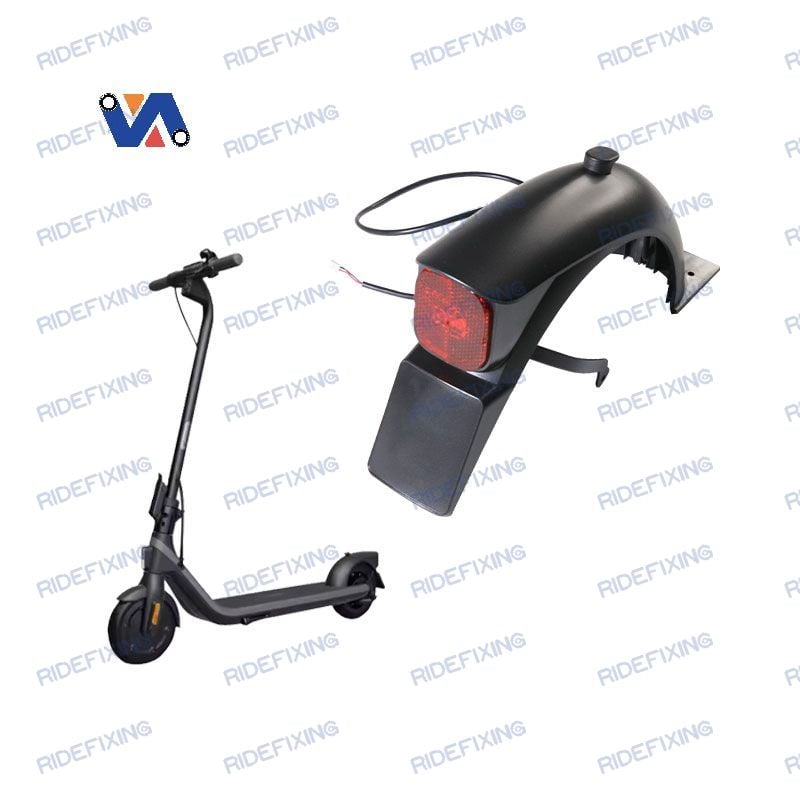
For example, the product title and model reference should be checked against the bike or scooter variant, not assumed from a generic voltage-and-wattage description. Buyers working with an OUXI V8 FatBike replacement can review the available OUXI V8(C80) Mini 36V controller for a 250W motor and then confirm the code, original controller label, plugs, and wiring with the supplier before purchase.
A Pre-Purchase Checklist for a 36V 250W Hub Motor Controller
- Read the battery label: chemistry, nominal voltage, full-charge voltage, BMS current limit, and discharge connector.
- Record the original controller label: model, voltage range, current limit, LVC, and motor type.
- Identify the hub motor: rated voltage/power, sensored or sensorless design, phase-wire arrangement, and Hall connector.
- List each low-voltage connection: throttle, PAS, brake cut-off, display, lights, and optional functions.
- Compare connector pinouts and communication protocols—not only plug appearance.
- Measure enclosure size, mounting points, cable exits, and required environmental protection.
- Send clear label and connector photos to the supplier for a model-specific compatibility review.
Ask for a System-Level Compatibility Check
A practical way to source a 36v 250w hub motor controller is to treat it as one component in a controlled system. A reliable inquiry includes the battery specification, motor label, original controller label, connector photos, display model, and vehicle model. That information lets a supplier check the items that the label cannot show: phase/Hall arrangement, brake logic, display protocol, current setting, and physical fit.
NEW IMAGE supplies electric scooter and e-bike spare parts and can help buyers organize those compatibility details before ordering. A careful confirmation process may take a little longer than choosing by voltage alone, but it reduces avoidable returns, wiring damage, and downtime for the end rider.
Conclusion
A compatible 36v 250w hub motor controller must match more than a 36V battery and a 250W sticker. Confirm the battery’s operating range and current capability, the motor’s phase and Hall-sensor arrangement, the control and safety signals, the display protocol, and the enclosure layout. Use the checklist before ordering, and request a model-level review whenever any connector, code, or electrical rating is uncertain.