EN
EN


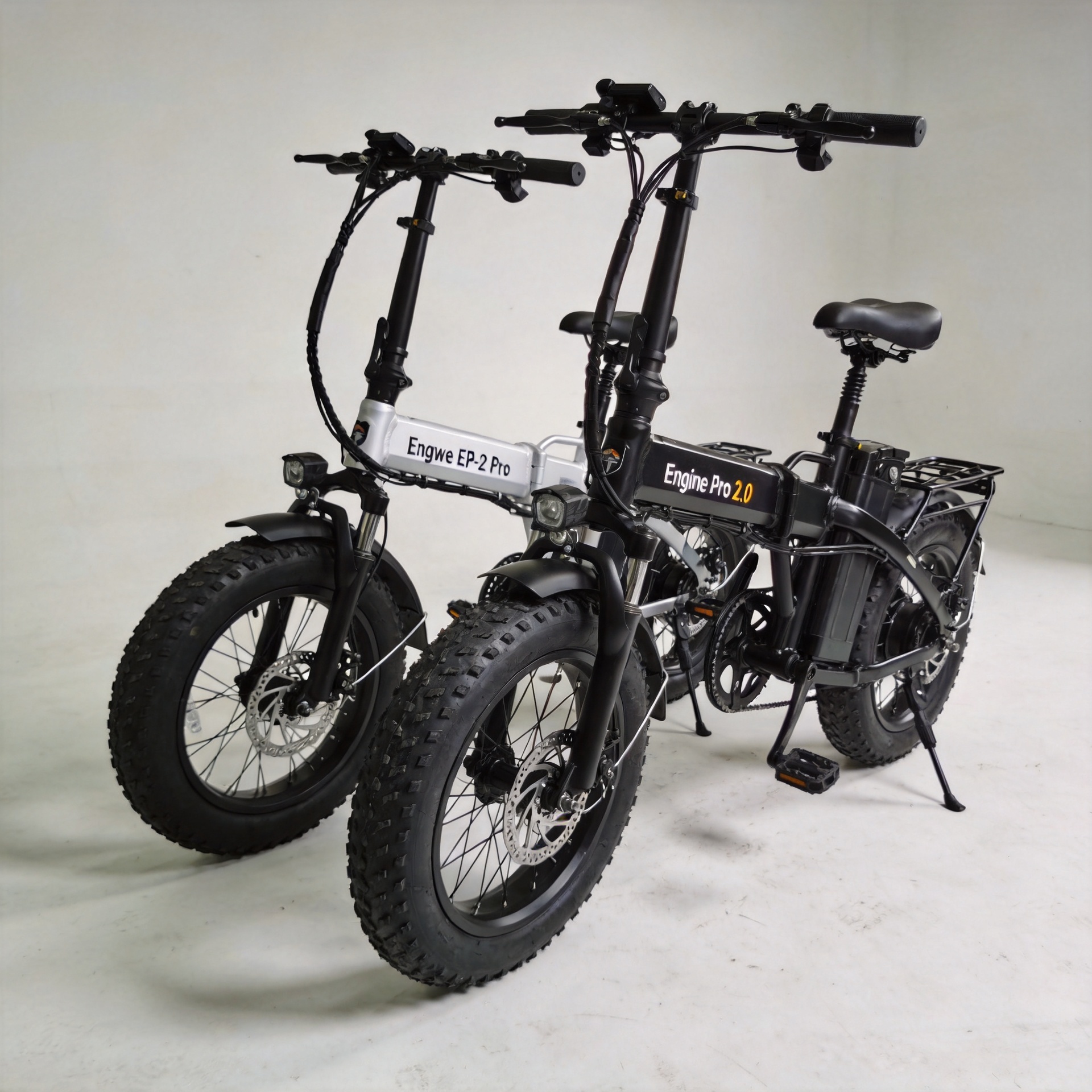
Engwe EP-2 Pro vs Engine Pro 2.0: Motor, Battery, and Frame Differences Explained
When stocking engwe electric bike models for different customer segments, the choice between the Engwe EP-2 Pro and the Engine Pro 2.0 matters more than most product pages let on. Both share the same 20×4.0-inch fat tire platform and a foldable aluminum frame — but under that shared exterior, the two bikes are tuned for genuinely different riders and require different replacement parts. As someone who regularly tracks compatibility details across the engwe ep2 pro and Engine Pro lineup, I find that the most costly distributor errors stem not from ordering the wrong tires, but from mixing up controllers and suspension parts between these two models. This breakdown covers the actual hardware differences so you can recommend confidently and order correctly.
Key Specifications Side by Side
| Specification | EP-2 Pro | Engine Pro 2.0 |
|---|---|---|
| Rated Motor | 750W (960W peak) | 750W (1,200W peak) |
| Battery Voltage | 48V | 52V |
| Battery Capacity | 13Ah | 16Ah |
| Controller | 48V / 18A | 52V system |
| Rear Suspension | None (rigid rear) | Full rear shock absorber |
| Handlebar Cockpit | Flat, narrow | Wider |
| Bike Weight | ~28 kg | 31.6 kg |
| PAS Range | ~75 miles | ~68 miles |
The table tells part of the story, but not all of it. A lower peak wattage on the engwe ep2 pro does not mean inferior performance — it means the bike is calibrated for flat-to-moderate terrain where efficiency and range matter more than raw hill-climbing power. If you're comparing the two primarily on spec sheet numbers, it's easy to miss the structural difference that actually drives real-world riding behavior: the suspension system.
Suspension System: The Difference That Defines the Ride
The Engwe EP-2 Pro comes with a front suspension fork and a completely rigid rear frame. That rigid rear is intentional: it reduces weight, improves pedaling efficiency on pavement, and extends range. For commuters navigating city roads with occasional cracks or curbs, this setup works well. The rigidity does mean that sustained off-road riding over gravel or loose terrain will feel noticeably harsher than a dual-suspension bike.
The Engine Pro 2.0 adds a dedicated rear shock absorber alongside the front fork, giving it genuine full suspension. This isn't just marketing terminology — the rear shock unit independently absorbs vertical impacts from the trail, which changes how the bike handles bumpy descents, gravel transitions, and root-strewn paths. Riders who describe their current folding engwe electric bike as "too stiff" on rough terrain are describing exactly what a rigid rear feels like, and the Engine Pro 2.0 addresses that directly.
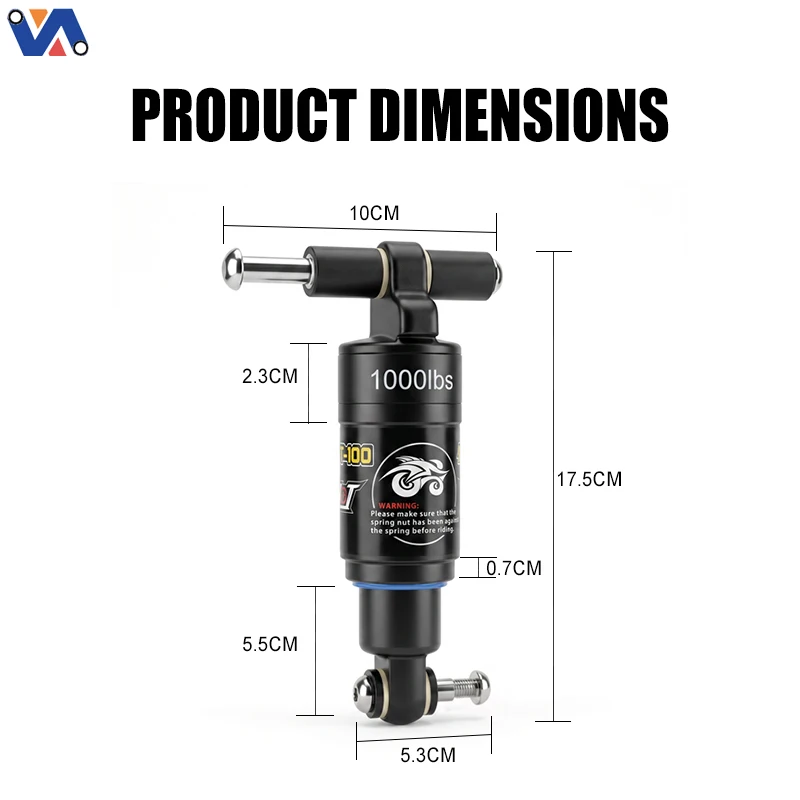
The rear suspension unit on the Engine Pro 2.0 is a model-specific component — it does not exist on the ep 2 pro and is not interchangeable with any front fork parts. If a customer needs a rear suspension replacement, that requires the correct Engine Pro 2.0 shock assembly, such as the Engwe Engine Pro 2.0 Rear Suspension shock absorber replacement. Ordering a generic or EP-2 Pro–sourced suspension component for this position will not work.
Battery Voltage and Controller: 48V vs 52V
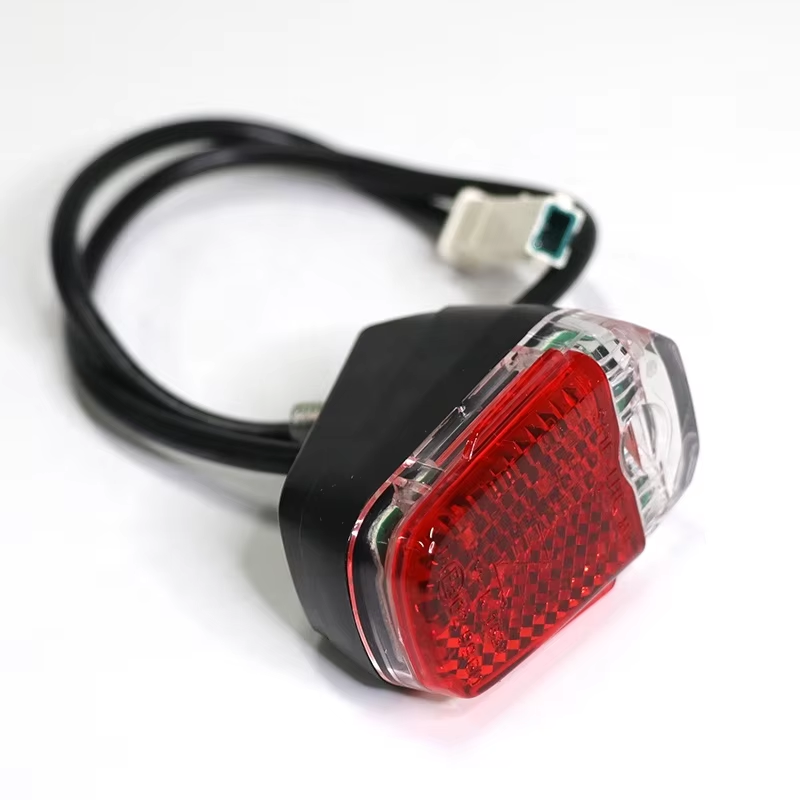
This is the spec difference responsible for the most common and costly compatibility mistakes in the field. The Engwe EP-2 Pro runs a 48V electrical system. Its OEM controller is rated at 48V / 18A, a specification confirmed by the original replacement part design. The Engine Pro 2.0 runs a 52V system with a higher-capacity 16Ah battery, enabling the higher 1,200W peak output and giving it stronger performance on sustained climbs.
The two systems are electrically incompatible. A 52V charger will overcharge a 48V battery pack. A 48V controller will not operate correctly in the Engine Pro 2.0's 52V circuit. If a customer orders an EP-2 Pro 48V 18A controller for an Engine Pro 2.0 repair, the voltage mismatch creates an immediate problem that cannot be patched by wiring adjustments.
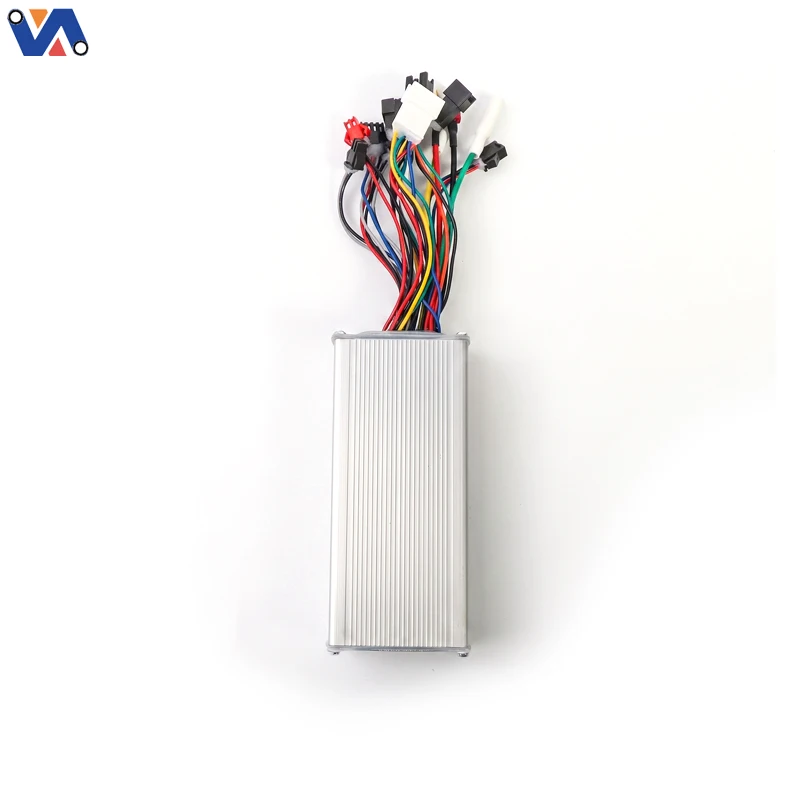
If you're unsure which model a customer owns, ask them to check the charger output voltage — a 48V charger means an engwe ep2 pro, a 52V charger means an Engine Pro 2.0. That single data point resolves most controller and battery ordering ambiguity before parts ship.
Frame and Handlebar: Geometry and Portability Differences
Both the engwe ep2 pro and Engine Pro 2.0 use a folding aluminum alloy frame with a collapsible stem and the same 20×4.0-inch fat tire clearance. The folding mechanism is similar in concept, but the handlebar geometry differs. The EP-2 Pro uses a flat, narrower handlebar that suits upright commuter positioning and makes the folded bike easier to carry through doorways or onto transit. The Engine Pro 2.0 uses a wider cockpit that gives better steering control for off-road maneuvering.
Weight is also a practical differentiator. The Engine Pro 2.0 weighs 31.6 kg — meaningfully heavier than the EP-2 Pro's approximately 28 kg. For customers who regularly carry their bike up stairs, into elevators, or into storage areas, that weight difference affects daily usability. If portability is among the top purchase criteria, the EP-2 Pro is the more practical option regardless of terrain preferences.
Which Model to Recommend: Commuter vs Trail Rider
If your customer primarily rides on flat or paved urban roads and wants a lightweight, foldable engwe electric bike with maximum range, the EP-2 Pro is generally the right fit. Its 75-mile PAS range outperforms the Engine Pro 2.0's 68 miles, it's lighter to carry, and its front suspension handles typical city road imperfections without the added complexity of a rear shock system to maintain.
For customers who regularly deal with mixed terrain, gravel paths, or unpaved trails — or for those who've mentioned that rough roads feel uncomfortable — the Engine Pro 2.0 is the appropriate step up. The full suspension and 52V / 1,200W peak motor handle off-road inputs and elevation changes more effectively than the ep 2 pro's front-only suspension setup.
One point worth communicating upfront: riders who start with an EP-2 Pro and later want full suspension cannot simply upgrade to a rear shock. The frame geometry and electrical architecture are different enough that moving from EP-2 Pro to Engine Pro 2.0 is a full bike replacement, not a parts swap. Setting that expectation early reduces post-purchase friction.
Parts Cross-Compatibility: What Transfers and What Does Not
Distributors who stock both models should know which components can be shared across lines and which must be kept separate. This is especially critical for the engwe ep2 pro controller and battery parts, which are 48V-specific and cannot be used on Engine Pro 2.0 bikes.
- Generally compatible across models: 20×4.0-inch fat tires and inner tubes. Standard disc brake pads (confirm caliper model before bulk ordering). Saddles and grips (fit is handlebar/seatpost dependent, not model-locked).
- Model-specific — do not cross-stock: Controllers (48V vs 52V are incompatible). Batteries and chargers (voltage systems differ). Rear suspension assemblies (EP-2 Pro has none; Engine Pro 2.0 uses a dedicated shock unit). Display units and wiring harnesses (may differ by electrical system version).
The practical inventory rule: treat tires and tubes as shared stock, and treat controllers, batteries, chargers, and suspension parts as model-specific SKUs that must be labeled and binned separately. In practice, the engwe ep2 pro 48V parts and the Engine Pro 2.0 52V parts should not occupy the same shelf.
Summary
The engwe ep2 pro and Engine Pro 2.0 look similar at first glance but serve distinctly different customer needs. The EP-2 Pro is a commuter-optimized folding fat bike with a lighter build, longer range, and a simpler 48V drivetrain. The Engine Pro 2.0 is a trail-capable full-suspension folder with a more powerful 52V system and a heavier, more capable frame. Understanding the suspension and voltage differences is what separates confident product recommendations from compatibility problems downstream. Model-specific replacement parts — including the EP-2 Pro 48V/18A controller and the Engine Pro 2.0 rear suspension assembly — are available wholesale for distributors who need reliable supply on both lines.