EN
EN


PID Control Systems in Electric Scooters: A Buyer-Friendly Overview
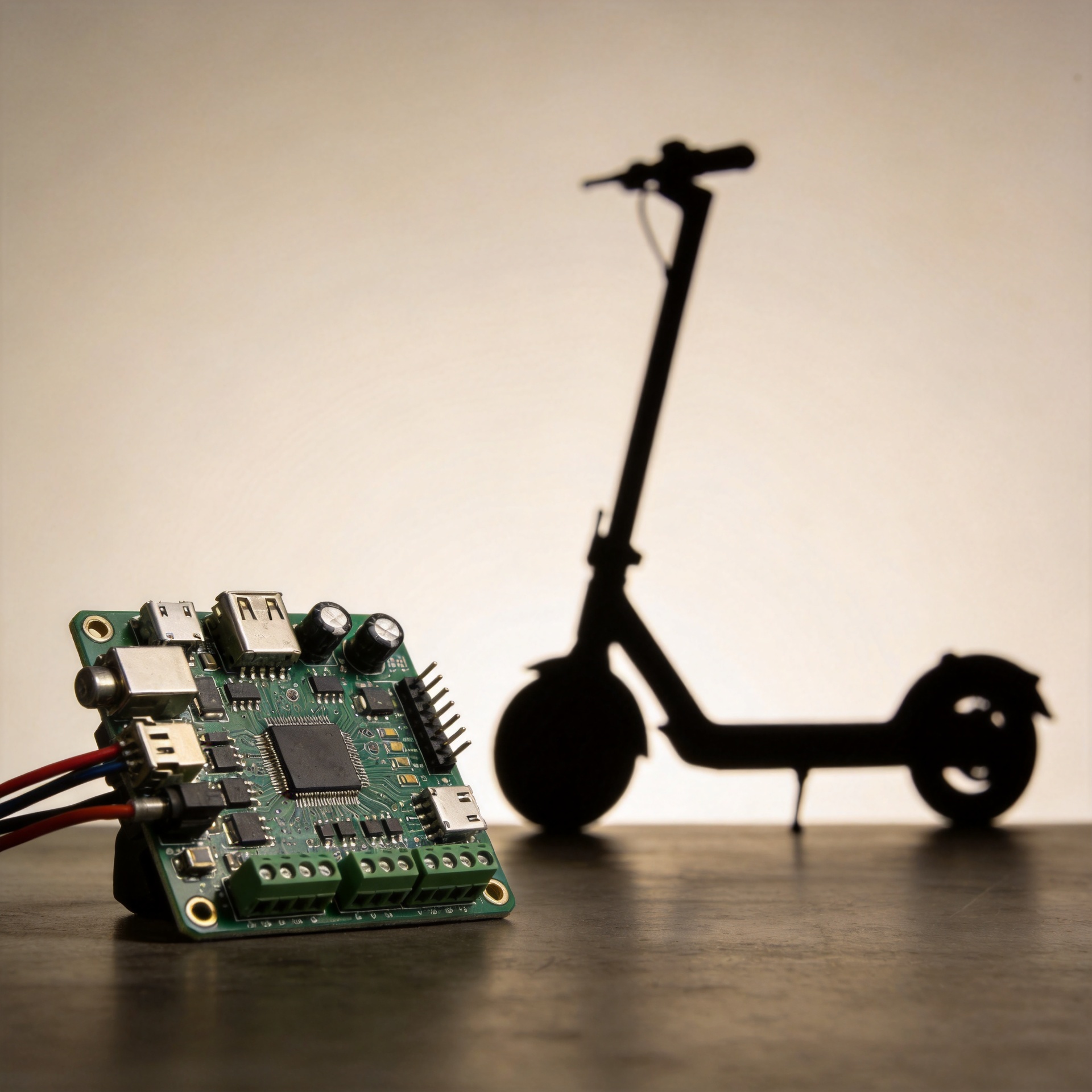
A PID control system is easy to overcomplicate. For a buyer, it is usefully understood as part of the electronic logic that helps a scooter respond to a speed request in a controlled way. Rather than treating it as a magic upgrade or a separate part that fits every scooter, look at the PID control system as one piece of a larger controller, motor, battery, throttle, and sensor relationship.
As a technical advisor working with electric-scooter parts, I start with matching before discussing tuning. A replacement controller can look nearly identical to another board and still be wrong for the vehicle. The useful question is not “Does this board say PID?” but “Can this PID control system work safely with this scooter’s electrical and feedback signals?”
What a PID Control System Does in Plain English
PID means proportional, integral, and derivative. In a typical feedback loop, a controller compares the requested result—such as a target speed—with the measured result from the scooter. The PID control system then adjusts its command to reduce the gap. The proportional part reacts to the current gap, the integral part considers a continuing gap over time, and the derivative part responds to how quickly the gap is changing.
On an electric scooter, the exact implementation varies by controller design. A PID control system may contribute to speed response, motor current management, or other closed-loop functions; it is not a promise that every controller exposes three settings for a rider to change. Many boards combine speed and current control internally, so buyers should avoid assuming that one visible menu item tells the full story.
Why Buyers Notice the Control Logic
A well-matched PID control system can help the scooter respond more predictably when load or road conditions change. That does not mean a buyer should expect a dramatic performance gain from a controller swap alone. Battery condition, motor characteristics, wheel size, firmware, wiring resistance, and sensor feedback all affect the outcome.
For a repair shop or parts buyer, the practical value is diagnosis. If a scooter surges, hesitates, fails to hold speed, or responds poorly to throttle input, the cause may be in the throttle, wiring, hall sensors, battery, motor, or controller. Replacing a board without checking the rest of the system can turn a single fault into a compatibility problem.
PID Control System vs. the Parts Around It
| Component | What it contributes | Buyer check |
|---|---|---|
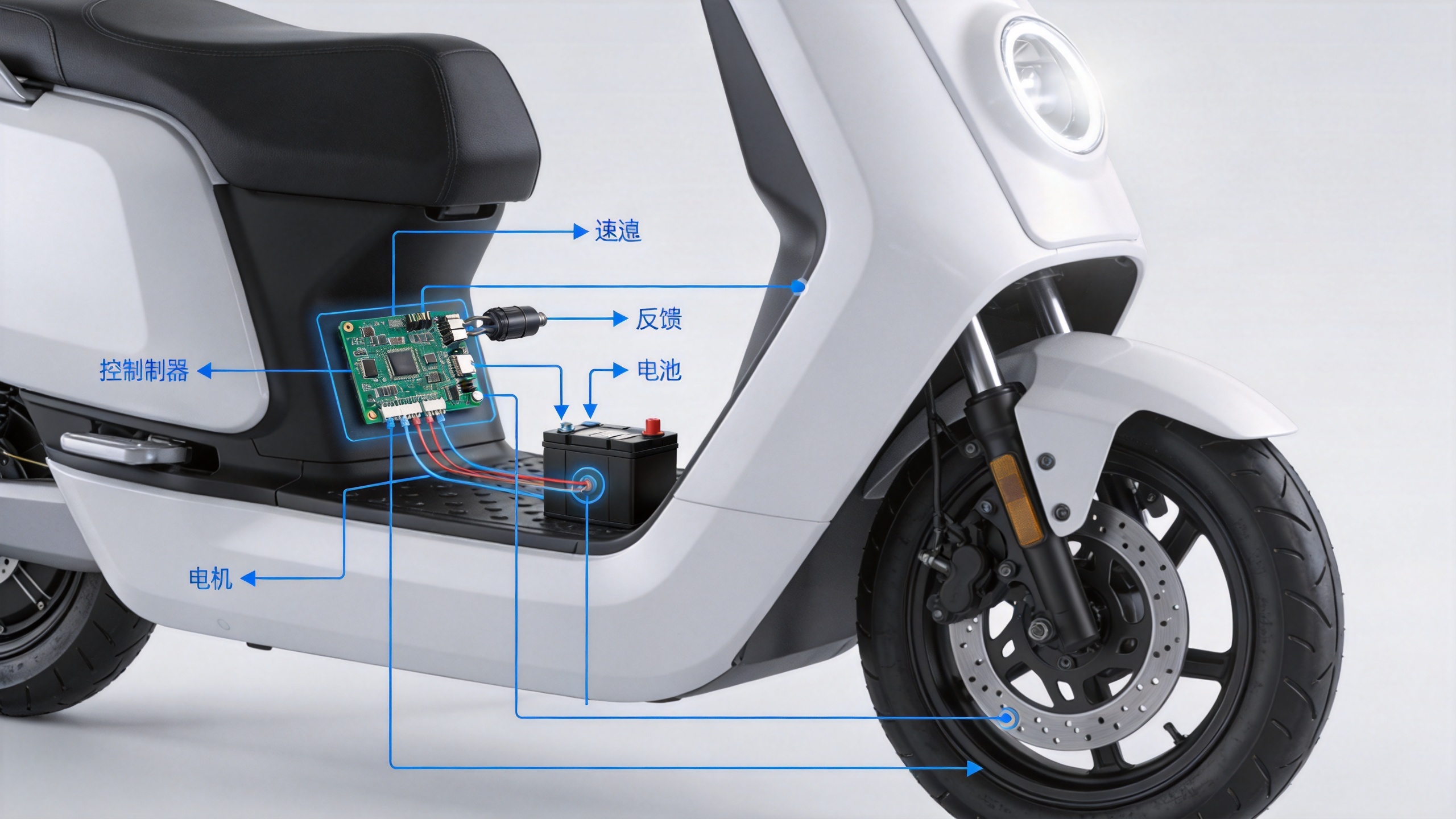
| Controller board | Runs the PID control system and power logic | Confirm model, voltage, current limits, connectors, and firmware expectations |
| Battery | Supplies system voltage and current | Match nominal voltage; do not assume a higher-voltage board is interchangeable |
| Motor | Converts electrical commands into movement | Check motor type, rated voltage, phase wires, and hall-sensor arrangement |
| Throttle | Sends the rider’s speed request | Verify connector and signal range, not just wire colors |
| Display or dashboard | May exchange settings or status data with the controller | Confirm communications compatibility where applicable |
This comparison explains why a PID control system should be assessed at vehicle level. A board may power on while still producing incorrect throttle behavior or missing display functions because the surrounding parts do not communicate as expected.
A Buyer’s Compatibility Checklist
- Start with the exact scooter and controller reference. Record the original board label, vehicle version, connector count, and plug shapes. Model names alone are often too broad.
- Verify the electrical base. The replacement controller, battery system, and motor must use compatible voltage ratings. Confirm current capability and protection expectations before installation.
- Check motor feedback. Compare phase-wire connections and hall-sensor plugs. A PID control system depends on usable feedback when the design calls for it.
- Check throttle input. Hall throttles commonly use a low-voltage analogue signal, but connector pinouts and expected ranges differ. Do not match wires by color alone.
- Ask about display and firmware pairing. A controller may require a compatible dashboard, communication protocol, or firmware version.
- Test safely after installation. With the drive wheel clear of the ground, verify start-up behavior, throttle response, braking input, and error indications before road use.
When Tuning Is—and Is Not—the Next Step
PID tuning is a specialist task, not a first purchase filter. If a controller offers configurable gains, changing them without a validated baseline can create oscillation, sluggish response, or unstable behavior. For most buyers, a compatible factory configuration is the sensible starting point. The PID control system should first be matched to the hardware, then tested under controlled conditions by a qualified technician if adjustment is genuinely needed.
That sequence matters especially in parts purchasing. Compatibility is more valuable than a vague “performance” claim. It also makes returns, troubleshooting, and future replacement work more manageable for distributors and repair businesses.
Choosing a Replacement Control Board
For Mijia M365-related repairs, one available option is the New Image replacement control board for Mijia M365 scooter. Treat the listing as a starting point for model-specific confirmation, not as proof of universal compatibility. Before ordering, compare the original board, battery voltage, motor and throttle connectors, dashboard arrangement, and software requirements with the supplier.
New Image supports buyers with pre-sale technical communication for scooter-part compatibility checks. Browse the New Image electric scooter spare parts range when comparing replacement-part options. Supplying clear photos of the original controller label, all connectors, and the scooter model can reduce uncertainty before a replacement PID control system-related board is selected.
Key Takeaway
A PID control system helps a scooter controller manage feedback rather than acting as a stand-alone upgrade. Buyers get better results by confirming the whole electrical relationship: battery voltage, motor and hall sensors, throttle signal, connector pinout, display communication, and firmware. When those basics align, the PID control system has the information and hardware context it needs to do its job predictably.