EN
EN


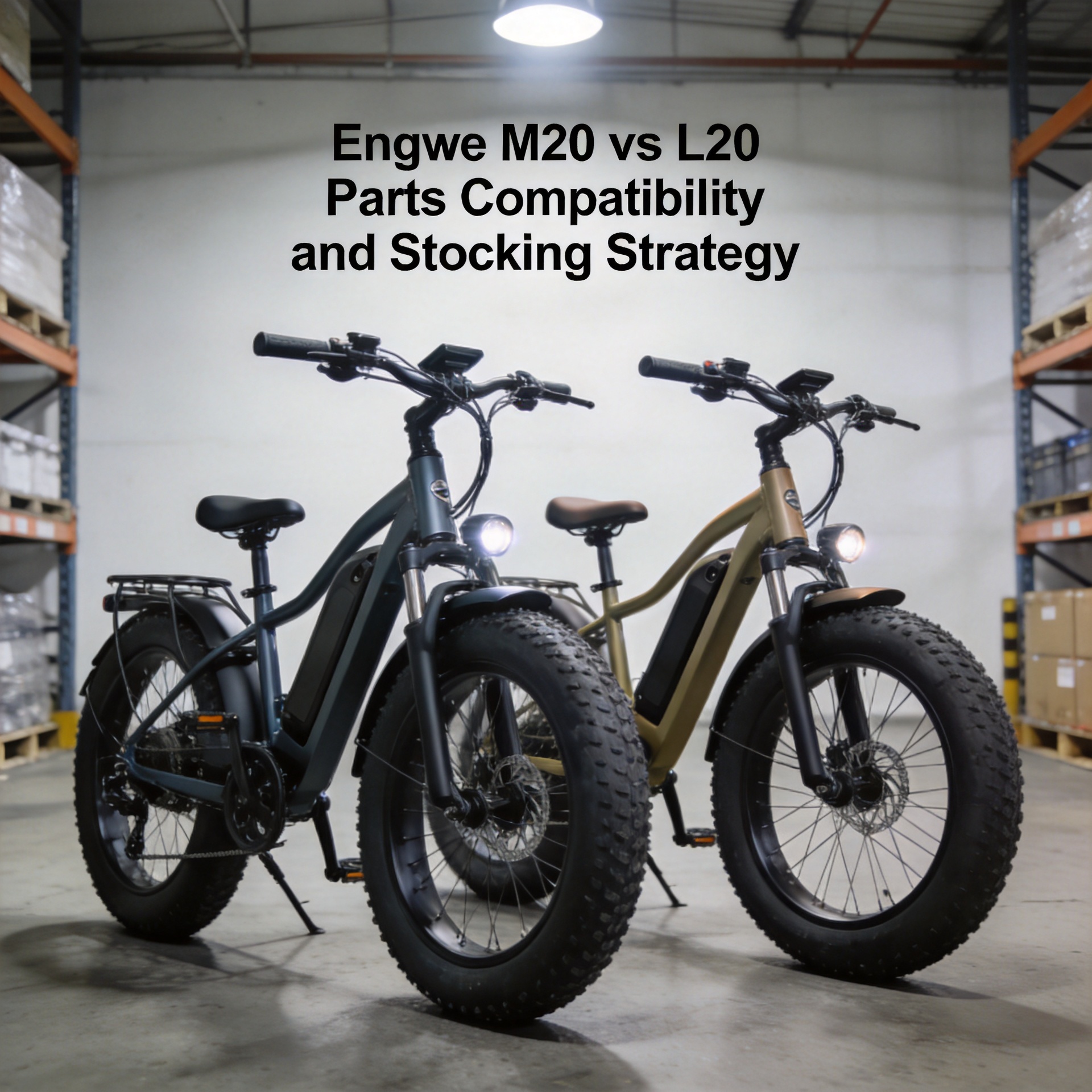
Engwe M20 vs L20: Parts Compatibility, Maintenance Cost, and Stocking Strategy for Distributors
When evaluating a fatbike engwe lineup for wholesale distribution, the M20 and L20 look deceptively similar on paper. Both are 20×4.0 fat tire foldable electric bike models with Shimano 7-speed drivetrains and hydraulic disc brakes. But distributors who stock them as a single parts platform typically discover the hard way that brake rotors, throttles, batteries, and motor sensors are not interchangeable between these two models. The real question is where the overlap actually ends — and how to build inventory accordingly.
This guide breaks down the fatbike engwe M20 and L20 across five distributor-relevant axes: parts interchangeability, brake system compatibility, battery replacement cost, tire sourcing, and sales channel fit. A parts-compatibility table and stocking recommendations are included at the end.
Model Overview: M20 vs L20 at a Glance
The Engwe M20 is a moped-style, full-suspension fat tire foldable electric bike with an integrated downtube battery and a full-grip moto throttle. It targets performance-oriented riders who want all-terrain capability and optional dual-battery range. As a fatbike engwe model, it sits at the performance end of the lineup and carries more technical complexity in its motor and braking systems.
The Engwe L20 is a step-through foldable electric bicycle with a rack-mounted removable battery (48V / 15Ah / 720Wh) and a half-grip twist throttle. Lighter and more accessible than the M20, it appeals to delivery operators, family buyers, and urban commuters who prioritize ease of mounting and cargo capacity over suspension performance.
Both share Shimano 7-speed drivetrains and 20×4.0 fat tires — but the fatbike engwe platform parts similarity largely ends at the tire and consumable level.
Parts Interchangeability: What Actually Shares a Part Number?
Across the fatbike engwe platform, parts sharing between model families is less consistent than spec sheets imply. The table below shows what distributors can source from a shared inventory pool versus what requires model-specific SKUs.
| Component | Engwe M20 | Engwe L20 | Shared / Compatible? |
|---|---|---|---|
| Tire size | 20×4.0 fat tire | 20×4.0 fat tire | ✓ Same tire — sourcing compatible |
| Rim / wheel offset | Moped-style spoke geometry | Folding-frame spoke geometry | ✗ Different rim offsets — not interchangeable |
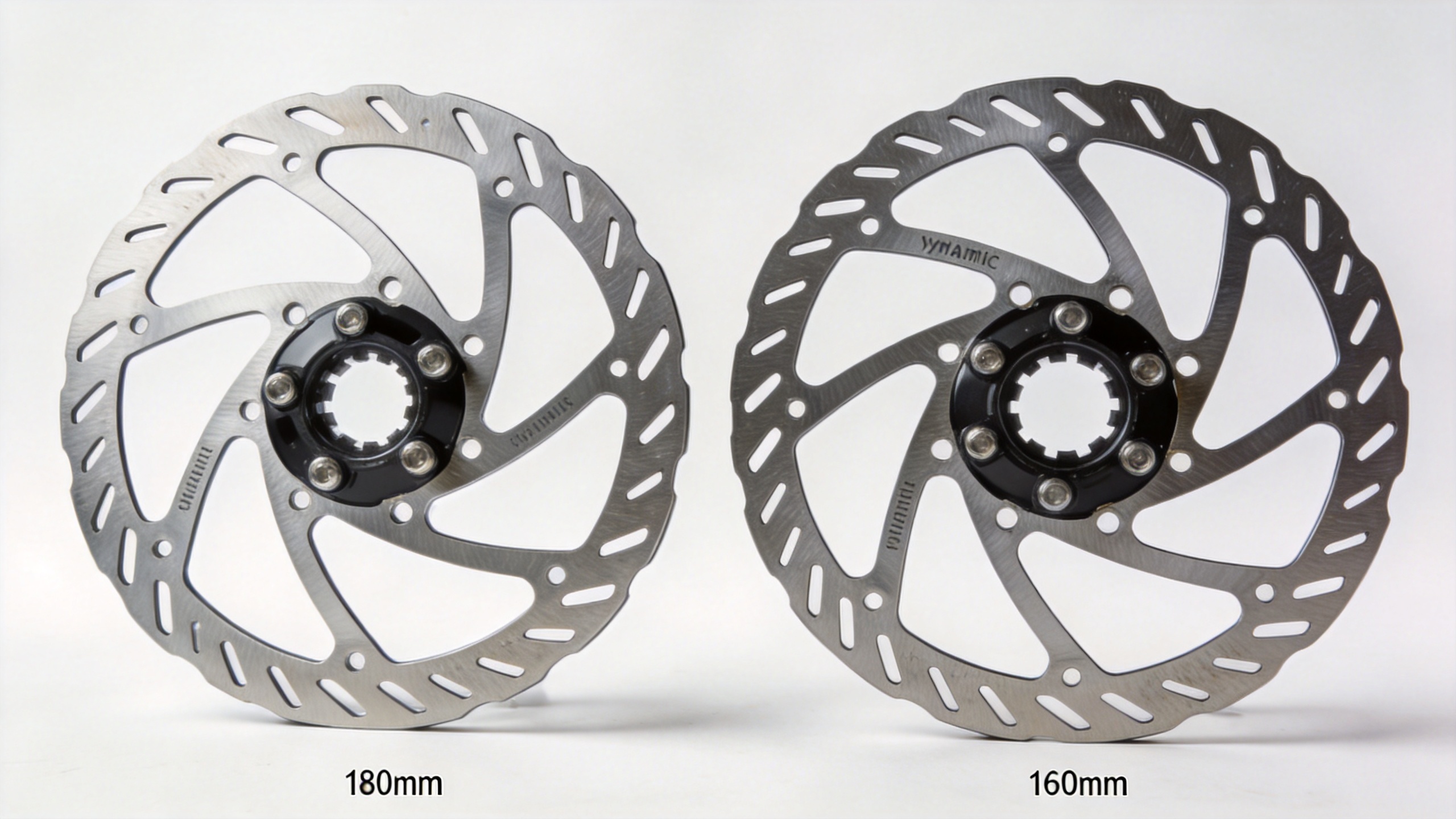
| Rear disc rotor | 180 mm (M20 2.0) / 160 mm (M20 1.0) | 160 mm | Partial — 160 mm shared with EP-2 Pro platform; M20 2.0 is 180 mm only |
| Brake caliper | Hydraulic (180 mm IS mount, M20 2.0) | Hydraulic (160 mm IS mount) | ✗ IS mount spacing differs; not cross-compatible without adapter |
| Drivetrain (Shimano 7-sp) | Shimano 7-speed | Shimano 7-speed | ✓ Chain, cassette, derailleur compatible |
| Throttle type | Full-grip moto throttle | Half-grip twist throttle | ✗ Different connector types and grip lengths |
| Hall sensor (motor) | Double Hall sensor (M20-specific) | Standard hub motor sensor | ✗ Model-specific; M20 requires dedicated sensor |
| Battery form factor | Frame-integrated (downtube) | Rack-mounted removable | ✗ Different mounting, BMS, and connector types |
| Folding mechanism | Mid-frame fold | Mid-frame fold | ✓ Hinge hardware largely compatible within generation |
| Brake pads | Hydraulic disc pads (Tektro-compatible) | Hydraulic disc pads (Tektro-compatible) | ✓ Same pad compound for both models |
Tire rubber and brake pads can share SKUs. Everything else — throttles, Hall sensors, batteries, and brake rotors for M20 2.0 — needs separate stocking.
Brake Compatibility: Two Different Rotor Platforms
Rotor diameter is where most mixed-fleet ordering errors happen in a fatbike engwe portfolio. Both models use hydraulic disc brakes, but the rotor sizes differ in a way that matters at the SKU level.
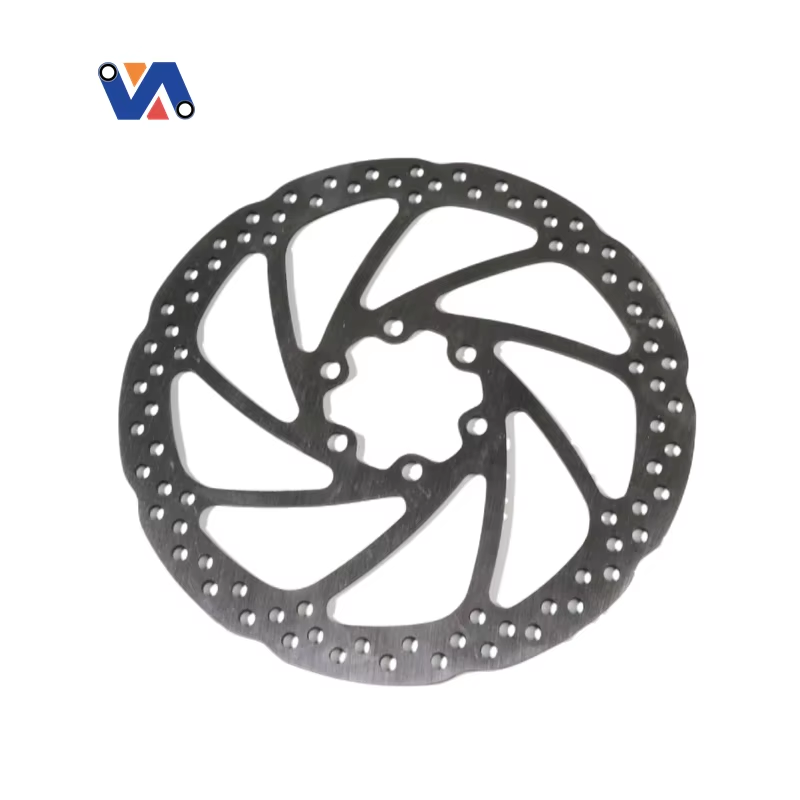
The M20 2.0 uses a 180 mm hydraulic disc rotor. Aftermarket parts suppliers confirm this is not the same unit used in the L20 or the EP-2 Pro / Engine Pro / Engine X platform family, which all run a 160 mm rotor. A distributor already stocking 160 mm rotors for the EP-2 Pro family will find those units fit the L20 — but not an M20 2.0 repair order.
If your customer base includes workshops servicing mixed fatbike engwe fleets, stock both rotor SKUs. The upside: brake pad compounds and hydraulic hose fittings are shared across both models, reducing your brake consumables SKU count.
Battery Replacement Cost and Architecture
Battery architecture is the starkest difference between these two models, and it has real downstream effects on how distributors price and handle replacement jobs.
The L20's rack-mounted battery is user-removable. Distributors can stock replacement 48V / 15Ah packs as standalone SKUs, and the same pack is compatible with other rack-mount foldable electric bicycle models in the Engwe lineup, improving cross-model inventory efficiency.
The M20's frame-integrated battery requires workshop disassembly to replace. This raises the labor cost per replacement job and changes the margin structure for distributors supplying repair shops. The dual-battery slot on the M20 simplifies access to one of the two packs, but the primary battery still requires technical service to swap out.
Tire Sourcing: Same Size, Different Wheel Geometry
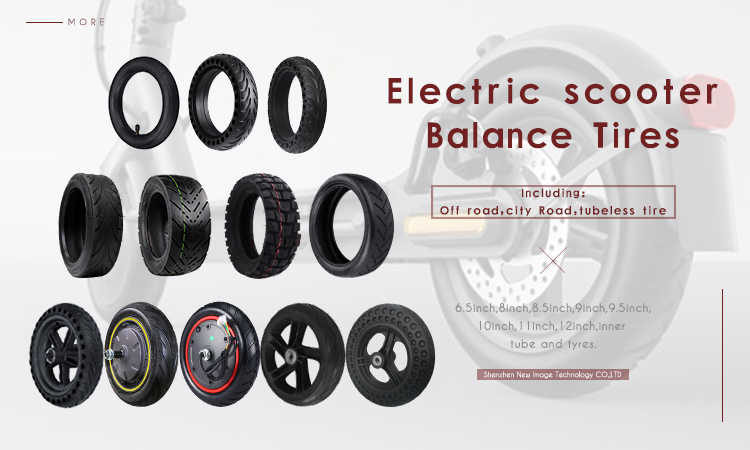
Both the M20 and L20 run 20×4.0 fat tires. For tire-rubber-only sourcing, one SKU covers both models, which is a practical consolidation point in the fat tire foldable electric bike category where much of the rest of the inventory must be stocked separately.
Complete wheel assemblies are a different story. The M20's moped-style frame requires a different rim offset than the L20's lighter folding-frame geometry. Distributors stocking full wheel assemblies must source them model-specifically and should not mix M20 and L20 wheels without verifying rim offset specs against the frame generation.
Sales Channel Fit: Which Model Goes Where?
Matching each fatbike engwe model to the right sales channel directly shapes which parts turn fastest in your inventory.
Engwe M20: A strong fit for urban performance commuters, recreational all-terrain riders, and buyers seeking dual-battery range. This segment generates demand for Hall sensors, full-grip throttles, and 180 mm brake rotors. If your catalog serves riders who push harder on varied terrain, the M20 is the more appropriate choice.
Engwe L20: Well suited for step-through buyers, part-time delivery operators, and family use cases. As a foldable electric bicycle with a removable battery and low step-over height, the L20 appeals to riders who prioritize accessibility and convenience. Parts demand centers on rack-mount batteries, half-grip throttles, and 160 mm rotors.
For a mixed fatbike engwe distributor catalog, leading with the L20 as the entry-volume SKU is lower-risk: its parts overlap with the EP-2 Pro platform gives you multi-model coverage. Add the M20 as a performance upsell and size your M20-specific parts depth to actual sell-through.
Stocking Recommendations
- Shared across both models: 20×4.0 fat tires (rubber), Shimano 7-speed chain, cassette and derailleur cable, hydraulic brake pads (Tektro-compatible), mid-frame hinge hardware.
- L20-platform pool (also covers EP-2 Pro / Engine Pro / Engine X): 160 mm disc rotors, 48V rack-mount battery packs, half-grip throttle assemblies.
- M20-specific: 180 mm disc rotors, frame-integrated battery packs, full-grip moto throttle units, double Hall sensors. Confirm fitment against your customer base's M20 generation before ordering. Distributors sourcing wholesale fatbike engwe M20 motor components can find Double Hall Sensor units for the Engwe M20 as a dedicated B2B line item.
- L20 throttle: The half-twist throttle for the Engwe L20, EP-2 Pro, EP-2 Boost, and Engine X covers multiple platform SKUs — worth noting for distributors managing multi-model fleets.
- Wheel assemblies: Source model-specifically; M20 and L20 rim offsets are not interchangeable.
The core takeaway: treat the M20 and L20 as two distinct fat tire foldable electric bike platforms that share a tire size. Building inventory depth around that distinction reduces dead stock and improves service turnaround for your workshop and reseller accounts.