EN
EN


E-Bike Battery Replacement Guide: When to Replace, What Voltage to Choose, and How to Buy
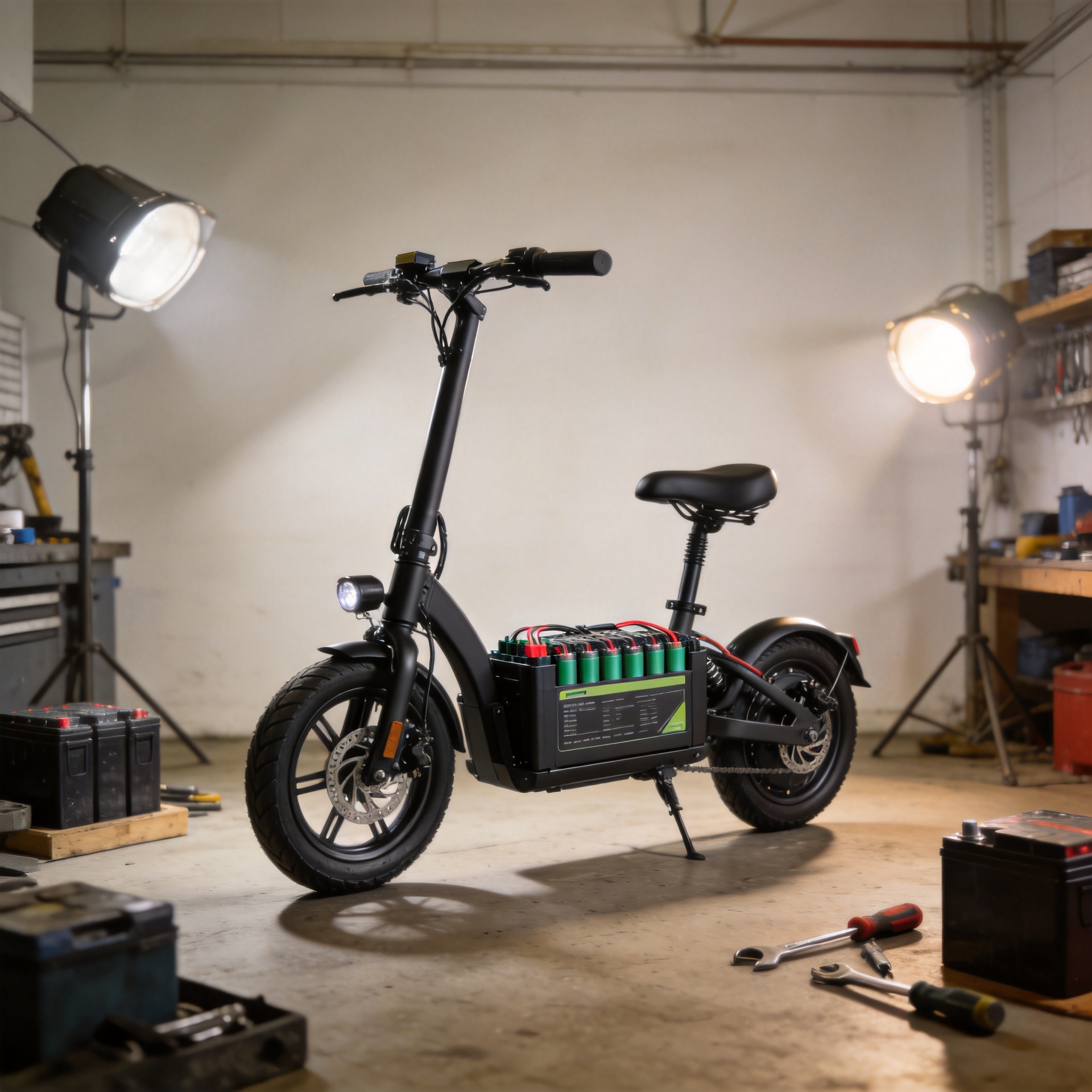
Have you noticed your electric bike barely making it halfway through a route that used to be no problem? In a repair shop setting, that kind of range complaint typically points toward the battery pack, not the motor or tires. Knowing when an e bike battery replacement is genuinely necessary, and what to look for when sourcing a new one, saves you from both premature swaps and from riding on a pack that has become a safety risk.
This e bike battery replacement guide covers the three most reliable replacement signals, how to match voltage and BMS specs to your existing system, and what wholesale buyers should check before placing a bulk order.
3 Signs Your E-Bike Battery Needs Replacing
1. Range Has Dropped Below 60% of Original Spec
The most common reason riders ask about e bike battery replacement is noticeable range loss. If usable range on a full charge has fallen below 60% of the original specification — assuming consistent riding conditions and reasonable temperature — the pack's capacity has degraded past the practical threshold. Li-ion cells in most e-bike packs are rated for 500 to 1,000 charge cycles before capacity drops below 80% of original. Past that point, degradation tends to accelerate.
Keep in mind that a larger-capacity pack does not automatically mean more range if the motor controller is not matched to it. Swapping to a higher amp-hour pack without confirming system compatibility is a decision that deserves careful review before purchase.
2. Visible Swelling or Physical Deformation
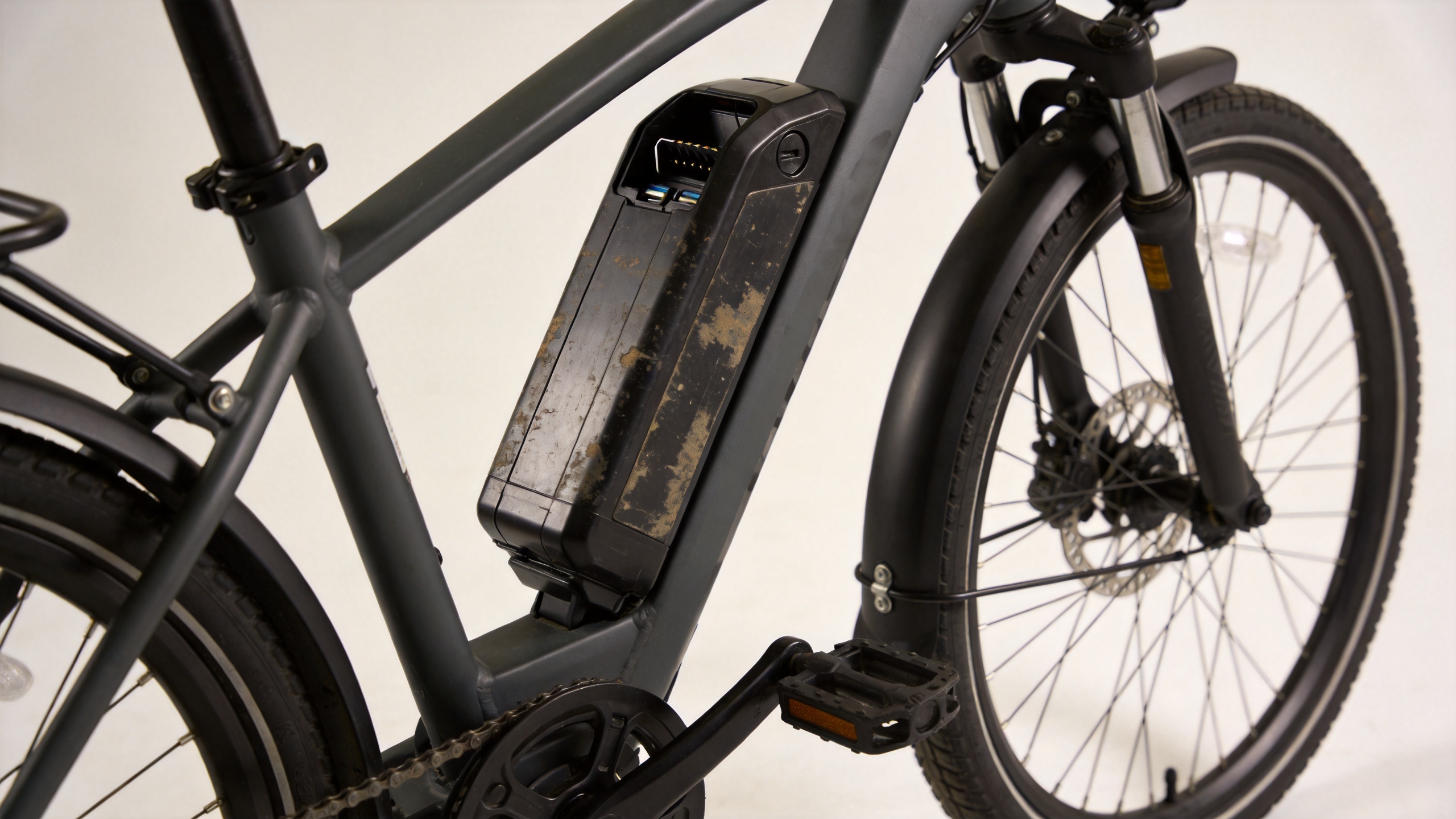
A battery case that no longer sits flush, or a pack that no longer locks into its mounting slot, should be treated as a safety issue before a performance issue. Cell swelling happens when internal gases accumulate, which is a sign of chemical instability that warrants immediate e bike battery replacement rather than continued use. If an electric bike battery lock replacement seems unexpectedly difficult because the pack itself has changed shape, inspect the casing carefully before assuming it is a mechanical problem with the lock alone. Do not attempt to compress or continue charging a visibly swollen pack.
3. The Pack No Longer Holds a Full Charge
A healthy battery should reach its rated full charge voltage and hold it. If the charger signals complete but the measured voltage is below specification, or the pack discharges unusually fast from a claimed full charge, the cells are likely no longer responding normally to the charge cycle. This pattern also shows up when the BMS — the Battery Management System, or in plain terms the circuit that manages charging and discharging — starts cutting power earlier than expected because cells can no longer maintain a stable voltage range. At this stage, an e bike battery replacement is the practical solution.
36V vs 48V: Choosing the Right Voltage
Match Voltage to Your Controller
Most e-bike controllers are designed for a specific voltage class. A fully charged 48V pack reaches approximately 54V, which exceeds the tolerance of most 36V-rated controllers. In practice, controllers typically accept a range within their nominal class: 24V–36V systems, or 36V–48V systems that often extend to 52V. For a straightforward e bike battery replacement on a 36V system, like-for-like is the lower-risk choice. Upgrading to 48V for more performance is legitimate, but requires confirming the controller's rated input voltage first.
Why BMS Compatibility Matters
Two batteries at the same nominal voltage can behave differently at the BMS level. BMS cutoff thresholds vary by manufacturer — a 48V BMS might cut off at 43.5V while another cuts at 42V. A replacement pack with a significantly different cutoff profile can cause the bike to cut power earlier than expected, or fail to trigger the low-battery warning at the right time. When sourcing an e bike battery replacement, request the BMS cutoff voltage specification alongside the nominal voltage. This matters especially on branded frames where the display communicates directly with the BMS.
Connector Types and Physical Fit
Connector compatibility tends to catch buyers off guard. Confirm three things before ordering:
- Connector shape and pin count — XT60, Anderson, Higo, and proprietary connectors are not interchangeable without adapters.
- Mounting form factor — bottle-style, rack-mount, and down-tube integrated packs have different dimensions and attachment points. Some electric bike battery key replacement situations trace back to a key cylinder specific to the mounting system, not the battery chemistry itself.
- Discharge connector orientation — the same connector type can have different pin polarity depending on manufacturer.
If replacing a pack on an older or less common frame, photograph the existing connector and measure the mounting bracket dimensions before ordering. Returning an incompatible pack across borders adds cost that compounds quickly for wholesale buyers.
Wholesale Buyer Checklist
Cell Grade: Grade A vs Grade B
Grade A cells passed full factory specifications. Grade B cells may have minor cosmetic defects or slight spec deviations but remain functional. For warranty-backed retail applications, Grade A is typically the minimum standard. Grade B may suit cost-sensitive internal use where performance tolerance is wider, provided the supplier is transparent about what is being supplied.
Cycle Count Ratings
Standard 18650-cell packs are commonly rated for 500 cycles at 80% capacity retention; higher-quality binned cells reach 800–1,000 cycles. For rental fleet or high-turnover repair applications, a higher cycle count rating reduces total replacement frequency over the operating period, lowering overall cost per ride.
OEM vs Aftermarket
OEM packs offer the most compatible fit for branded bikes where BMS, connector, and form factor are tightly specified. Aftermarket packs provide more flexibility on voltage and capacity options and are often the only viable path when the original manufacturer no longer supports a model. For aftermarket sourcing, request documentation on BMS spec, cell grade, and batch consistency as standard procurement due diligence.
Recommended 48V Lithium Packs
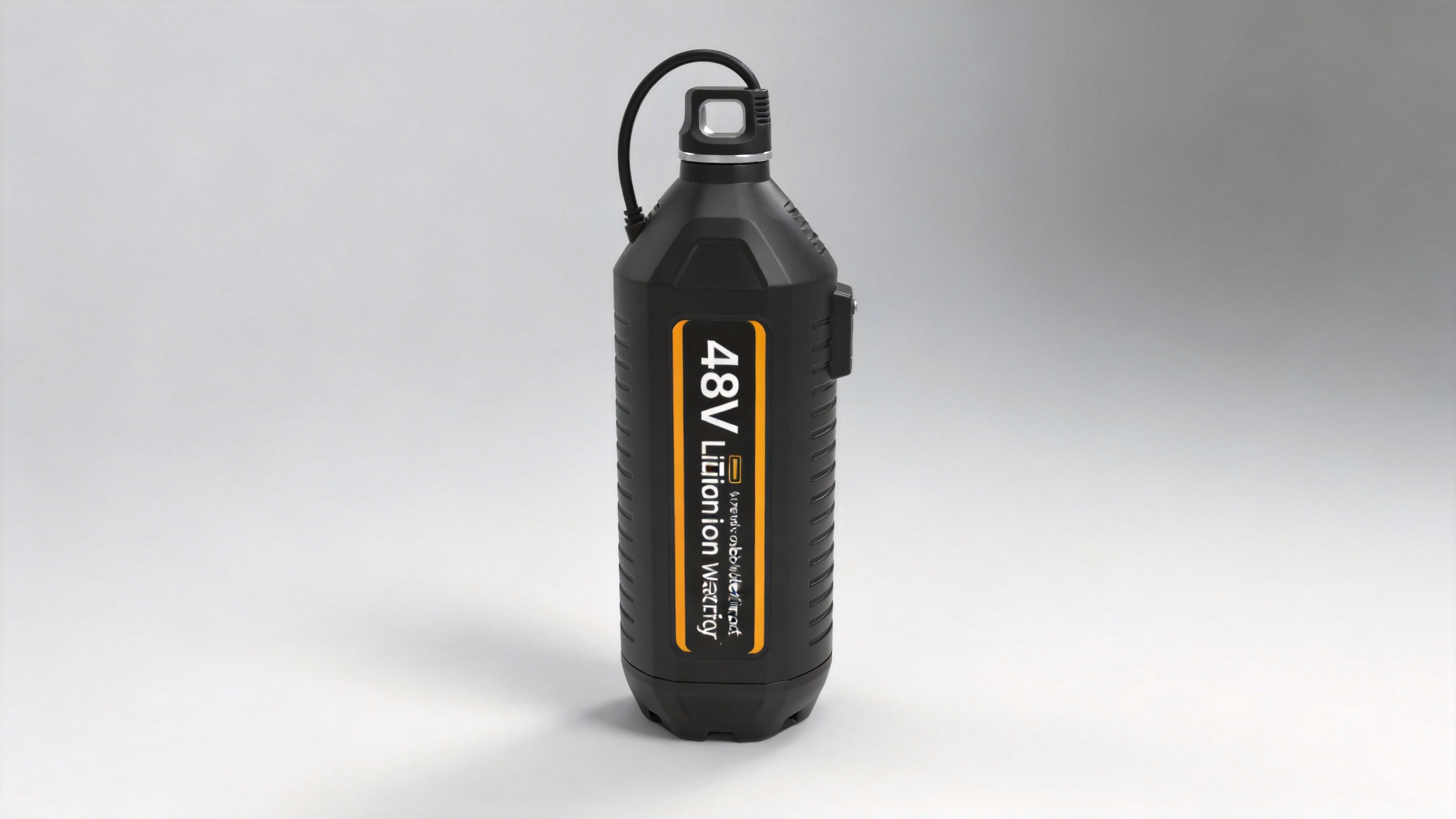
For buyers sourcing 48V e bike battery replacement packs that cover the 250W–500W motor range common in European and North American market e-bikes, these options from New Image fit standard bottle and rack-mount configurations:
- New Image X-go 36V 10Ah / 48V Pack — Bottle Battery for 250W–500W Motors: An 18650-cell bottle-style pack available in 36V and 48V configurations, supplied with charger. Compatible with motors rated 250W, 350W, and 500W.
- New Image 36V 12Ah Water Bottle Battery — Rack-Compatible, Multi-Voltage: A water-bottle-style battery with rack-mount compatibility, available in 36V, 48V, 52V, and 60V configurations. Suitable for multiple frame types requiring a clean rack-mount profile.
Both packs are available for wholesale inquiry. For BMS cutoff specifications, connector type confirmation, or OEM customization options, contact New Image through the product pages.
Summary
The right time for e bike battery replacement is when at least one of three clear signals is present: range below 60% of spec, visible pack swelling, or consistent failure to hold a full charge. Voltage selection should follow the controller's rated input range. BMS cutoff compatibility is worth confirming before purchase. Wholesale buyers should request cell grade, cycle count rating, and batch consistency as standard procurement due diligence.